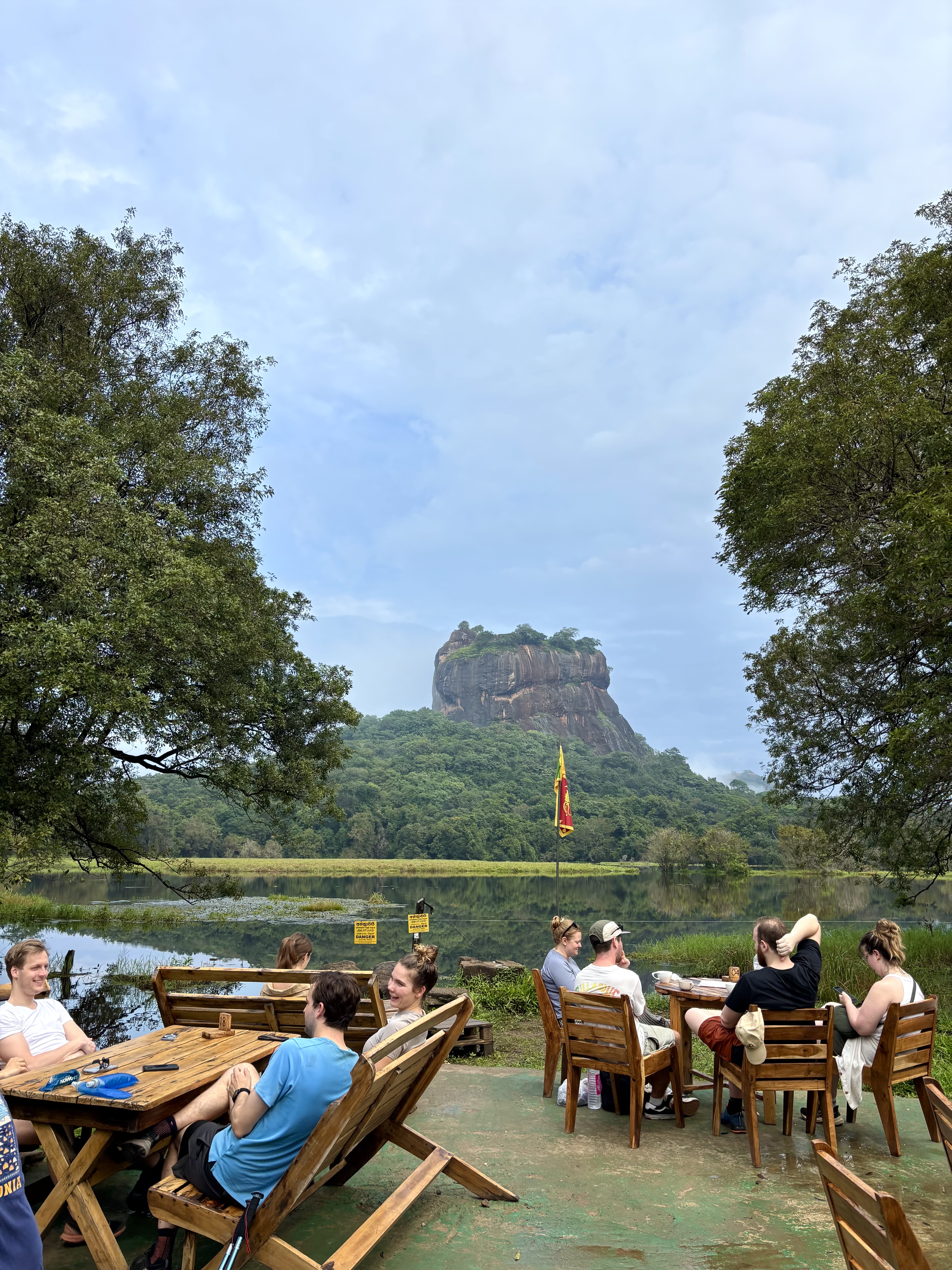
Why Visit Sri Lanka?
Sri Lanka fits a lot into a small island. In two or three weeks you can surf and swim on the south coast, climb Sigiriya rock fortress, see the Temple of the Tooth in Kandy, and ride the train through the tea plantations of the hill country. Distances look short on the map but roads are slow, so plan on one main stop every two or three days rather than trying to see everything.
Where to Go
- The south coast: Galle Fort, a walled old town that is a UNESCO World Heritage Site, plus the beaches and surf breaks at Unawatuna, Weligama and Mirissa.
- The Cultural Triangle: Sigiriya, the Dambulla cave temples and the ancient cities of Anuradhapura and Polonnaruwa. Base yourself near Sigiriya or Dambulla and see them as day trips.
- Kandy: The old royal capital and home of the Temple of the Sacred Tooth Relic, one of the most important Buddhist sites in the country.
- The hill country: Nuwara Eliya and Ella, with tea estates, waterfalls and cool evenings. The train between Kandy and Ella is the trip most people remember.
- The east coast: Arugam Bay for surfing and Trincomalee for beaches, both at their best when the south and west are wet.
- Yala and Udawalawe: National parks in the south for leopards and elephants, easy to add to a south coast stay.
Best Time to Visit
Sri Lanka has two monsoons, so the question is which coast, not whether to go.
- December–March: The best time for the south and west coasts and Galle, and the busiest and most expensive. Kandy, the hill country and the Cultural Triangle are at their driest from January.
- April: A good shoulder month across most of the island, and the Sinhala and Tamil New Year in mid-April, when many businesses close for a few days.
- May–September: The southwest monsoon brings rain to the south and west coasts. Head east instead: Arugam Bay’s surf season and Trincomalee’s calm seas are at their best.
- October–November: The wettest stretch for much of the island as the monsoons change over. Cheaper, but expect rain wherever you go.
Travel Tips
- The currency is the Sri Lankan rupee (LKR). Carry cash outside the big towns; cards are common in hotels and larger restaurants.
- Tuk-tuks are everywhere. Agree the fare before you get in, or book through the PickMe or Uber apps in Colombo and other big towns.
- Book reserved seats for the Kandy to Ella train early. They sell out, especially in the main season.
- Cover your shoulders and knees at temples, and take off your shoes and hat before you go in. Never pose for a photo with your back to a Buddha statue.
- Plugs are type D and type G (the UK three-pin), at 230V. A universal adapter covers both.
- Many restaurants add a service charge to the bill. Where they don’t, round up or leave around 10%.