The New Town guide on this site covers James Craig's original 1767 grid, the three parallel streets that end at Charlotte Square. The West End picks up exactly where that grid stops. It's a separate, later development: the advocate William Walker began building out his family estate from around 1800, and the architect Robert Brown laid out Melville Street as its centrepiece, a scheme that only finished construction decades after it started. The result is a quarter with its own identity rather than an extension of Princes Street and George Street: quieter, more residential, and anchored by the three spires of St Mary's Cathedral rather than a shopping street. It borders Haymarket to the west and wraps around Dean Village on three sides to the north, which makes it the natural edge-of-centre neighbourhood if you're deciding where to base yourself; our things to do in Edinburgh guide covers the city-wide list this one deliberately doesn't repeat.
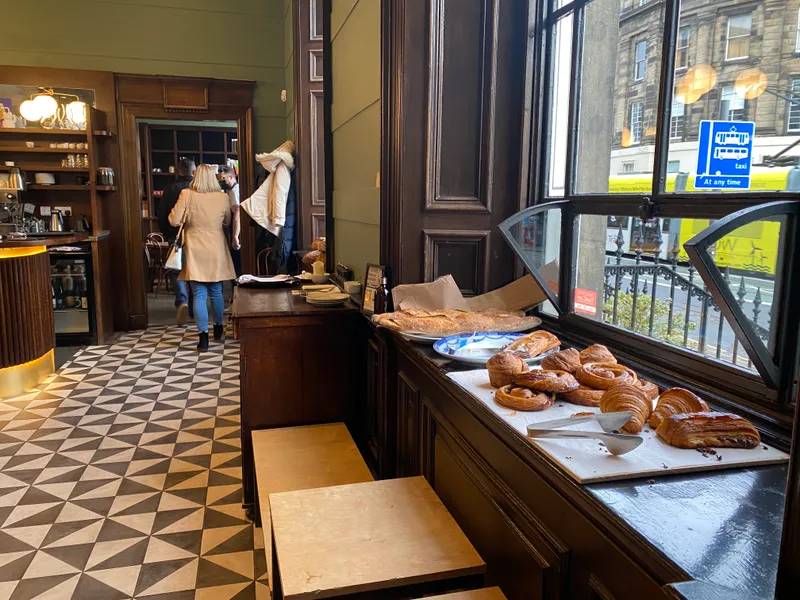
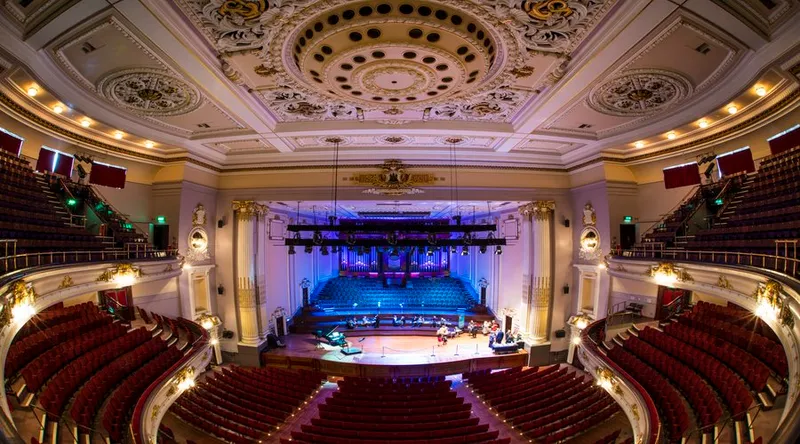
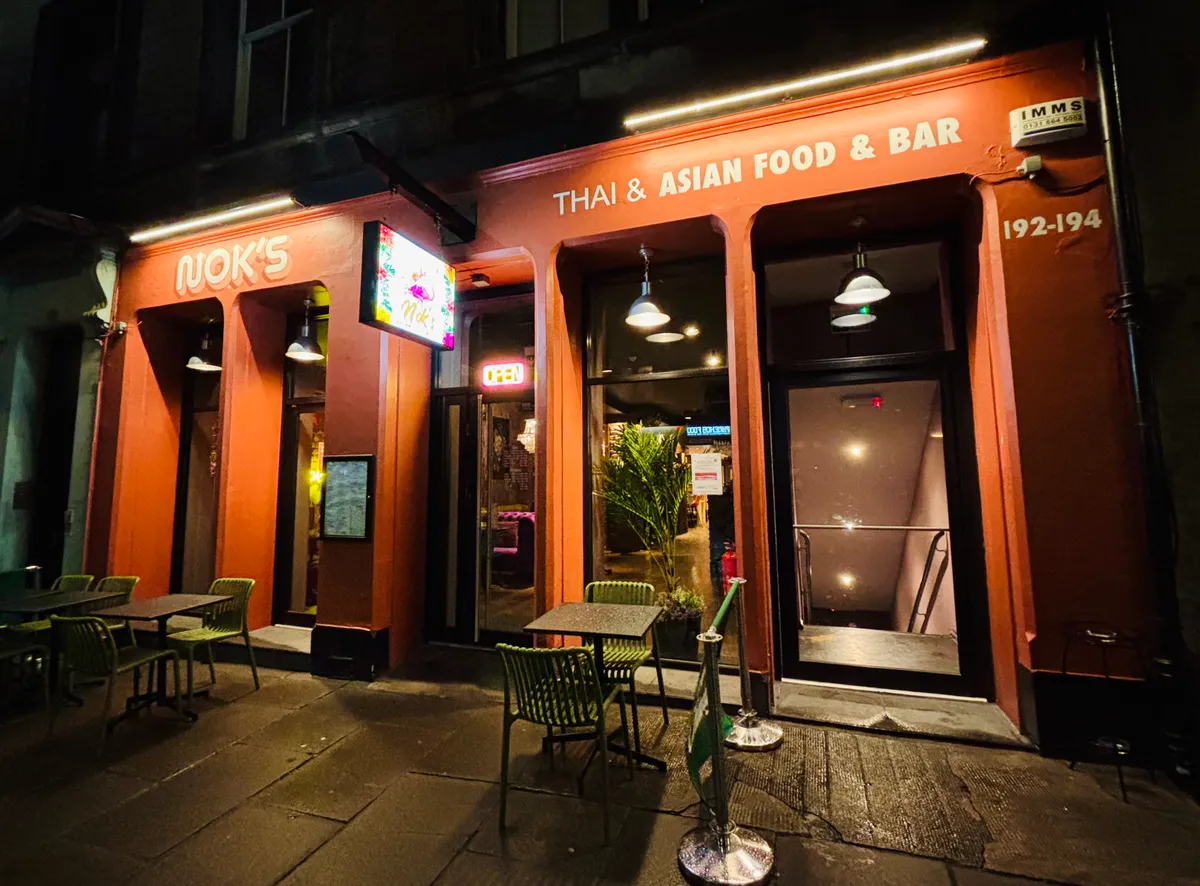
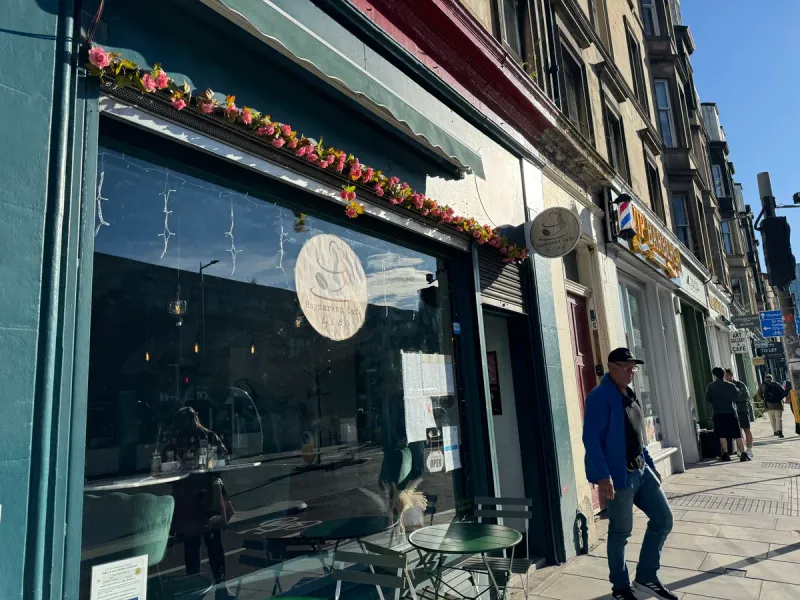
The other half of the identity is William Street, a short row that Edinburgh's own tourism board calls the 'West End Village': the only street round here with a continuous run of 19th-century shopfronts, now filled with independent boutiques, cafes and a handful of bars, tucked between the grander terraces of Melville Street and Stafford Street. And running along Lothian Road, on the quarter's eastern flank, is Edinburgh's real theatre and concert-hall cluster: Usher Hall, the Royal Lyceum, the Traverse and Filmhouse all sit within a couple of minutes' walk of each other, described by Usher Hall's own operator as 'the keystone of Edinburgh's cultural quarter'. It's also where the landmark Caledonian hotel marks the quarter's eastern gateway at the west end of Princes Street; our afternoon tea and where to stay in Edinburgh guides cover it in full, the latter with its own West End & Haymarket section for anyone weighing up a quieter base near the trains.
The honest shape of a West End day is a loop rather than a straight line: start at St Mary's Cathedral for the orientation, work through the Georgian streets and William Street, cut across to the Lothian Road theatres, then finish out towards Haymarket for dinner. It's compact, entirely flat, and comes to a little under 5 km covered end to end if you walked every stop in order, well under an hour's walking without stopping anywhere. Here are the sixteen spots I'd build it around, roughly in the order I'd walk them.