Vintage Shopping in Tokyo: 11 Best Thrift Stores & Districts (2026)
Tokyo might be the best city on earth for secondhand fashion. Entire neighbourhoods are built around vintage clothing, from the bohemian thrift streets of Shimokitazawa to the luxury resale boutiques of Omotesando. This guide covers the best stores and districts for every budget and style.
Vintage Shopping in Tokyo
Tokyo takes secondhand clothing more seriously than almost any city in the world. While London has its charity shops and Brooklyn has its curated racks, Tokyo has entire neighbourhoods where thrift stores outnumber convenience stores. The culture is different here, too. Japanese secondhand shops grade their items meticulously, noting every tiny imperfection. A shirt labelled “B rank” at a Tokyo vintage store would pass as mint condition anywhere else. That obsessive attention to quality means you can buy used clothing with a confidence that doesn’t exist in most Western thrift shops.
The geography is part of the fun. Shimokitazawa, Koenji, and Harajuku each have their own personality when it comes to vintage fashion, and spending a day hopping between them is one of the best things you can do in Tokyo that doesn’t involve eating. Shimokitazawa is the bohemian all-rounder with dozens of stores crammed into narrow streets. Koenji is the punk-influenced, slightly rougher-edged alternative where prices tend to be lower. Harajuku and Omotesando lean toward luxury resale and designer vintage. And then there are the chains like RAGTAG, 2nd Street, and BAZZSTORE, which have locations scattered across the entire city, each with completely different stock.
Whether you’re after a ¥800 flannel shirt or a ¥200,000 vintage Chanel bag, Tokyo has a store for it. Probably several.
Shimokitazawa: The Thrift Capital
Shimokitazawa is where most people start, and for good reason. The neighbourhood sits just three minutes from Shibuya on the Keio Inokashira Line and feels like a completely different city. The main streets and side alleys are packed with vintage shops, record stores, and small cafes, all tangled together in a way that makes getting lost half the point. You could spend an entire afternoon here and still not hit every store. For a deeper dive into the neighbourhood beyond shopping, check out our full Shimokitazawa guide.

1. BAZZSTORE Shimokitazawa
If you only visit one thrift store in Shimokitazawa, make it BAZZSTORE. The pricing is what sets it apart from the competition. Most items fall between ¥1,000 and ¥5,000, which means you can walk out with a full outfit for less than the cost of a nice lunch in Ginza. The store is clean and well-organised across two floors, which is a genuine relief after some of Tokyo’s more chaotic vintage shops. Staff are friendly and speak some English. The selection mixes Japanese domestic brands with imported pieces, and the turnover is fast enough that regular visitors find new stock every week. BAZZSTORE has 14 branches across Tokyo, but this Shimokitazawa location has the best atmosphere. Tax-free for purchases over ¥5,000 if you have your passport.
BAZZSTORE Shimokitazawa
- Affordable thrift with most items ¥1,000-5,000
- Clean and well-organised with friendly staff
- 14 branches across Tokyo if you like the format
Tax-free for purchases over ¥5,000. Explore both floors for bargains on both floors.
"BAZZSTORE is highly praised for its affordable prices, clean layout, and friendly staff. Real American-style thrifting in Shimokitazawa."
2. Flamingo (Shimokitazawa Store)
Flamingo has been a Shimokitazawa institution since 2005, and the concept has barely changed: American vintage clothing sourced by buyers who actually travel to the US, brought back and sold at reasonable prices. The main Shimokitazawa store focuses on mid-century American pieces, think denim jackets, varsity sweaters, leather belts, and workwear that has the kind of natural patina you can’t fake. They also carry retro tableware and accessories, which is a nice change from the all-clothing format. Flamingo operates five separate locations in Shimokitazawa alone, each with different stock, so if you like the vibe of one store it’s worth checking the others. The company motto is “Wear 100-year-old clothes for another 100 years,” which gives you a sense of how they think about the garments they sell. Prices sit in the ¥2,000 to ¥8,000 range for most pieces.
Flamingo (Shimokitazawa Store)
- American vintage specialist since 2005
- Regularly refreshed stock from US-based buyers
- Retro tableware and accessories alongside clothing
Flamingo has five Shimokitazawa locations. This is the main one. Check all five for different stock.
"Flamingo offers American vintage from the mid-20th century with pleasant staff and decent prices. Five locations in Shimokitazawa with different stock in each."
3. RAGTAG Shimokitazawa
RAGTAG is the store you visit when you want designer labels at secondhand prices. This Shimokitazawa branch is compact, spread across two floors with men’s upstairs and women’s down, and the selection runs from streetwear brands like Bape and Supreme through to proper luxury houses. Everything is authenticated and graded, so you know exactly what you’re getting. The staff speak English, which makes the selling process straightforward if you want to offload pieces from your own wardrobe too. RAGTAG also runs a notification service where they’ll contact you when a specific item or brand arrives in store. It’s not the place for ¥1,000 bargains. Think of it more as a curated designer outlet where last season’s Comme des Garcons shirt costs a third of what it did new. The Shimokitazawa branch is quieter than Shibuya on weekdays.
RAGTAG Shimokitazawa
- Designer brands from streetwear to couture
- Cozy two-story setup with separate men's and women's sections
- English-speaking staff
Visit on weekdays to avoid tourist crowds. Ask about their notification service for specific items.
"RAGTAG Shimokitazawa is a compact designer resale store with friendly English-speaking staff and a good range from streetwear to high-end labels."
4. 2nd Street Shimokitazawa
2nd Street is the Uniqlo of Japanese thrift. It’s a chain with over 70 locations in Tokyo alone, and while that might sound soulless, the Shimokitazawa branch benefits from its location in a neighbourhood where the average shopper actually cares about fashion. The stock here skews younger and trendier than suburban branches, with a solid selection of casual streetwear, denim, and basics. Prices are genuinely cheap. You can find decent T-shirts for ¥300 and jeans for under ¥2,000. The tradeoff is that you need to dig. This is not a curated experience. It’s rack after rack of clothing sorted by type and size, and the joy is in the discovery. Check multiple 2nd Street branches if you have time, because the inventory varies wildly from store to store.
2nd Street Shimokitazawa
- Japan's largest secondhand chain with 70+ Tokyo stores
- Affordable pricing on everyday fashion
- Good for basics and casual streetwear
Check multiple 2nd Street branches as stock varies wildly between locations.
"2nd Street Shimokitazawa is a popular store offering affordable secondhand clothing with a wide variety."
Harajuku & Omotesando: Designer Vintage
The Harajuku vintage scene is a different animal from Shimokitazawa. Where Shimokitazawa is about cheap finds and bohemian energy, Harajuku leans toward curated fashion and luxury resale. The best stores cluster around Cat Street and the backstreets of Ura-Harajuku, away from the tourist crush of Takeshita Street. Omotesando adds authenticated luxury vintage from the big fashion houses.
5. Kinji Used Clothing Harajuku
KINJI is one of the most recognisable thrift chains in Tokyo, and the Harajuku basement location is its flagship. The selection is enormous. Racks stretch the length of the store with everything from ¥500 T-shirts to vintage band tees and used designer pieces. The experience is closer to treasure hunting than boutique shopping. You need patience and willingness to flip through hundreds of hangers, but the payoffs can be significant. KINJI also has a location in Shimokitazawa if you want to compare stock. Prices are generally between ¥2,000 and ¥5,000 for the good stuff, though some items creep higher. The Harajuku location gets very crowded on weekends, so aim for a weekday morning if you want space to actually browse.
Kinji Used Clothing Harajuku
- Massive selection of vintage and contemporary secondhand
- Central Harajuku location near Takeshita Street
- Used designer pieces alongside budget finds
Visit on weekday mornings to avoid crowds. Prices vary widely so dig through the racks.
"Kinji Harajuku offers a diverse selection of vintage clothing with good finds if you dig, centrally located near Takeshita Street."
6. Flamingo Harajuku
The Harajuku branch of Flamingo sits in the Junk Yard building on the edge of Cat Street and has a slightly more upscale feel than the Shimokitazawa stores. The selection leans heavily toward women’s fashion, with an extensive collection of vintage jewellery, belts, and sunglasses alongside the clothing racks. There’s an open veranda area that gives the store a relaxed, browsable atmosphere. Pieces here tend to be more carefully curated than what you’ll find at KINJI or 2nd Street, which means higher prices but less digging. The staff are genuinely helpful and will pull items based on what you describe wanting. If you’re looking for one statement vintage piece rather than a full wardrobe overhaul, this is the Harajuku store to prioritise.
Flamingo Harajuku
- Curated high-quality vintage pieces
- Friendly and helpful staff
- Great for accessories and jewellery alongside clothing
Has an open veranda area. Primarily women's fashion with an extensive jewellery collection.
"Flamingo Harajuku offers curated vintage pieces with an emphasis on quality. Staff are friendly and the selection is interesting."
7. AMORE Vintage Aoyama
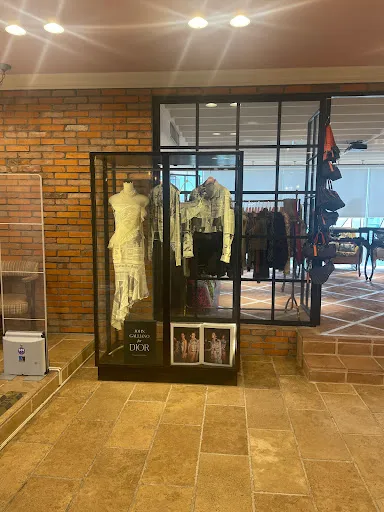
AMORE Vintage is where the luxury starts. Sitting on the Omotesando strip with nearly 2,000 Google reviews and a 4.9 rating, this boutique specialises in pre-owned pieces from Chanel, Hermes, Louis Vuitton, Dior, and other houses that most people only window-shop at the flagship stores down the road. The condition of items is consistently praised in reviews, and authentication is taken seriously. Prices reflect the brands: expect to spend ¥30,000 and up for bags and accessories, with some rare pieces commanding six figures. But compared to buying new at the Omotesando boutiques, the savings are substantial. The store is compact and well-curated, so you won’t spend hours digging. You’ll know within ten minutes whether they have something you want.

AMORE Vintage Aoyama
- Nearly 2,000 Google reviews with a 4.9 rating
- Specialises in luxury vintage from top fashion houses
- Located on the Omotesando strip
One of the best-rated vintage stores in Tokyo. Great for Chanel, Hermes, and Louis Vuitton.
"AMORE Vintage Aoyama is one of Tokyo's highest-rated luxury vintage boutiques, specialising in designer pieces in excellent condition."
8. BRAND COLLECT VINTAGE Omotesando
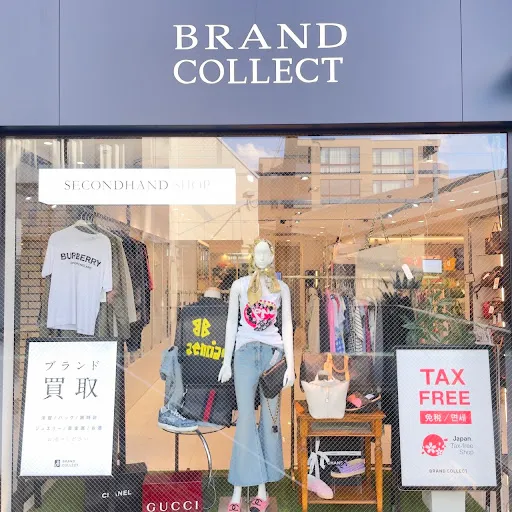
A perfect 5.0 Google rating from over 500 reviews is almost unheard of for any retail store, let alone a vintage shop. BRAND COLLECT VINTAGE in Omotesando earns it through a combination of meticulous authentication, fair pricing on luxury items, and staff who clearly know their fashion. The inventory spans major luxury brands with a focus on bags, accessories, and outerwear. Everything is authenticated in-house before it hits the floor. The store sits three minutes from Omotesando Station (exit A2), making it easy to combine with a visit to AMORE Vintage just down the road. If you’re serious about finding a specific luxury vintage piece, this is one of the most trustworthy places in Tokyo to buy it.

BRAND COLLECT VINTAGE Omotesando
- Perfect Google rating from 536 reviews
- Wide range of authenticated luxury brands
- Prime Omotesando location
Perfect 5.0 rating with over 500 reviews. Three-minute walk from Omotesando Station exit A2.
"BRAND COLLECT VINTAGE Omotesando has a perfect 5.0 Google rating and specialises in authenticated luxury vintage fashion."
Koenji: The Punk Underground
Koenji is what Shimokitazawa was fifteen years ago, before the influencers arrived. The neighbourhood has a defiant creative energy that comes from its history as the birthplace of Japan’s punk and underground music scene. The vintage shops here reflect that spirit: less polished, more adventurous, and generally cheaper than their Shimokitazawa equivalents. The stores are scattered along the shotengai (covered shopping streets) and side alleys radiating from Koenji Station. It’s a bit scrappier to navigate than Shimokitazawa, but the lower prices and fewer tourists make it worth the extra train stop.
9. 2nd STREET Koenji
The Koenji branch of 2nd Street is one of the chain’s better locations, spread across two floors with a heavy emphasis on men’s clothing. The selection includes branded jeans, jackets, and streetwear at prices that often undercut Shimokitazawa. Multiple reviewers single out a staff member named Genki-san for providing genuinely personalised recommendations in English, which is a rare thing at a chain thrift store. The second floor is where the better pieces tend to hide. The neighbourhood itself rewards wandering after you’re done here. The shotengai on both sides of the station are full of smaller independent vintage shops, record stores, and cheap izakaya.
2nd STREET Koenji
- Vast men's clothing selection over two floors
- Reasonably priced branded jeans
- Friendly English-speaking staff
Two floors of mostly men's clothing. Ask for Genki-san for personalised recommendations.
"2nd STREET Koenji is popular for its vast men's selection over two stories with friendly staff and fair prices."
10. Atlantis Vintage Tokyo
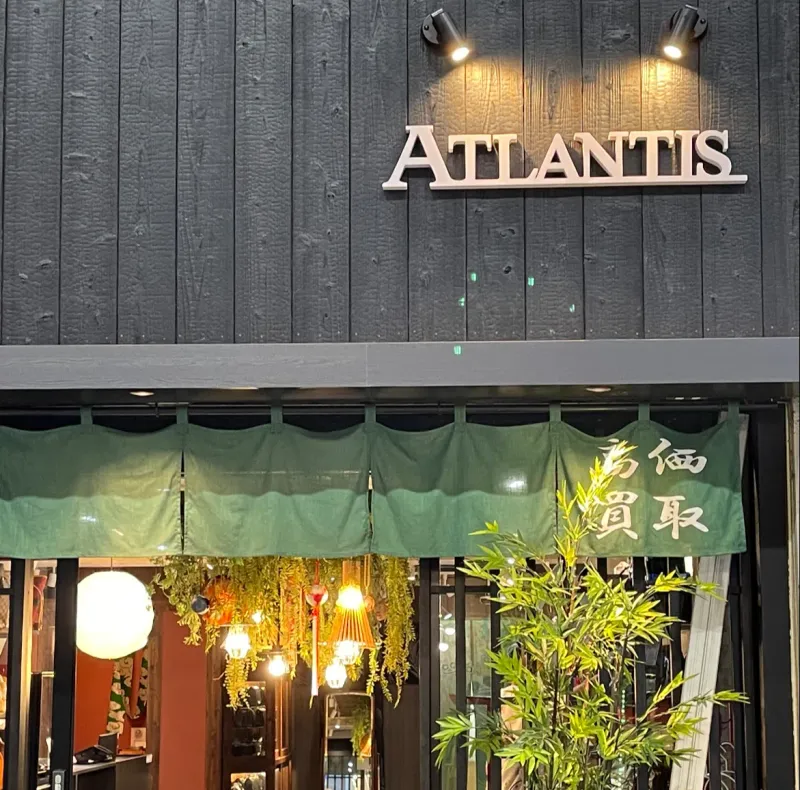
Atlantis Vintage is a different kind of Koenji store. Where most vintage shops in the neighbourhood deal in affordable everyday fashion, Atlantis focuses on luxury designer vintage at prices that consistently undercut the Omotesando boutiques. Owner Yuji has built a reputation for exceptional personal service, with nearly 500 Google reviews averaging 4.9 stars. The stock includes Chanel, Louis Vuitton, Prada, Gucci, Dior, and Hermes, with pieces ranging from everyday accessories to rare collector items like Louis Vuitton x Murakami pochettes. Yuji speaks excellent English and genuinely enjoys helping customers find the right piece. Message ahead on Instagram for a personalised appointment. The store is small and easy to miss from the street, but that’s part of the charm. Bring your passport for tax-free purchases.

Atlantis Vintage Tokyo
- Luxury vintage at reasonable prices including Chanel, LV, Prada, Hermes
- Exceptional personalised service from owner Yuji
- Tiny Koenji shop with nearly 500 five-star reviews
Message ahead on Instagram for a personalised appointment with owner Yuji. Bring your passport for tax-free.
"Atlantis Vintage Tokyo is a small Koenji shop offering luxury designer vintage with unparalleled customer service from owner Yuji."
Shibuya: The Central Hub
11. RAGTAG Shibuya
If you can only visit one RAGTAG location, the Shibuya branch is the most accessible. It sits in the Jinnan area behind Shibuya Station, close to Parco and Loft, which makes it easy to fold into a broader Shibuya shopping day. The stock rotates frequently and tends toward the higher end of RAGTAG’s range: expect to find rare sneakers, designer outerwear, and limited-edition collaborations alongside more everyday secondhand fashion. The staff are professional and can walk you through the consignment process if you want to sell. Prices are fair for authenticated designer resale, though you’ll pay more here than at a pure thrift store. Think of RAGTAG as the bridge between vintage shopping and actual fashion retail.
RAGTAG Shibuya
- High-end fashion resale from streetwear to designer
- Professional staff who explain the selling process
- Central Shibuya location near Parco and Loft
Check regularly as stock rotates frequently. Great for rare sneakers and designer pants.
"RAGTAG Shibuya is a polished resale shop with rare finds and streetwear alongside designer pieces."
How to Plan a Vintage Shopping Day in Tokyo
The most efficient route hits all three major districts in one day. Start in Koenji in the morning when the stores are quiet and the prices are low. Spend two hours working through the shotengai and side streets, then take the Chuo Line one stop to Shimokitazawa (or the JR to Shinjuku and transfer to the Odakyu Line). Shimokitazawa deserves three to four hours. Start at BAZZSTORE and Flamingo for affordable pieces, then graduate to RAGTAG for designer items. Break for lunch at one of Shimokitazawa’s many good cafes. In the afternoon, take the Keio Inokashira Line to Shibuya, pop into RAGTAG Shibuya, and then walk or take the subway to Harajuku and Omotesando for the luxury vintage circuit.
A few practical notes: most stores open between 11 AM and noon, so don’t arrive too early. Cash is still king at smaller independent shops, though chains accept cards and IC cards. Bring a compact bag for your purchases. Some stores offer tax-free shopping for tourists spending over ¥5,000, but you’ll need your passport. And if something fits perfectly, buy it. Tokyo vintage stock moves fast, and the piece you hesitate on at 2 PM will be gone by 4.
Looking for more things to do in these neighbourhoods? Our Shimokitazawa guide covers the best cafes, live music, and restaurants alongside the thrift shops. And our Shibuya guide has everything from nightlife to street food if you want to keep the day going after the shops close.
Planning your trip to Tokyo? Save these vintage shops to your itinerary with Tourli, the app that turns travel guides into actionable day plans.
Frequently Asked Questions
What are the best neighbourhoods for vintage shopping in Tokyo?
How much does vintage clothing cost in Tokyo?
Are Tokyo thrift stores tax-free for tourists?
When is the best time to go thrift shopping in Tokyo?
More Tokyo Guides
3-Day Tokyo Itinerary (2026)
ItineraryThree days, three pairs of neighbourhoods. This itinerary groups Tokyo by geography so you spend less time underground and more time eating, photographing, and getting properly lost.
5-Day Tokyo Itinerary (2026)
ItineraryFive days, five neighbourhoods. This itinerary groups Tokyo by geography so you spend less time on trains and more time eating, exploring, and getting lost in the right way.
Things to Do in Asakusa, Tokyo (2026 Neighbourhood Guide)
GuideAsakusa is Tokyo at its most traditional. While most of the city rebuilt itself into glass and steel after the war, this neighbourhood held onto its wooden shopfronts, its temple rituals, and its open-air drinking culture. Senso-ji has been standing here since the seventh century. Nakamise has been selling rice crackers and souvenirs since the Edo period. And Hoppy Street has been serving cheap beer alternatives to salarymen since the 1940s. It's the part of Tokyo that still feels like old Tokyo, and it's one of the few neighbourhoods where you can spend an entire day without running out of things to see, eat, and do.
Best Breakfast in Tokyo (2026) - From 6AM Sushi to Kissaten Toast
VibeTokyo is one of the few cities where eating sushi at 6 AM is completely normal. Breakfast here spans everything from a three-piece sashimi set at a Tsukiji fish stall to a ¥500 kissaten morning set with toast so thick it could double as a pillow. This guide covers 11 ways to start your day, from the traditional to the trendy.
11 Best Brunch Spots in Tokyo (2026)
VibeTokyo takes breakfast seriously, just not in the way you might expect. The city runs on kissaten morning sets, fluffy souffle pancakes that take 20 minutes to cook, and hotel buffets that could double as Michelin-level tasting menus. This guide covers all of it.
15 Best Cafes in Tokyo (2026)
GuideTokyo has over 550 cafes in our database alone, ranging from century-old kissaten to cafes where a capybara sits in your lap. These 15 cover matcha specialists, third-wave roasters, themed experiences, and traditional tea shops.
Save these places to your Tokyo trip
Tourli turns travel guides into actionable day plans. Save places, get walking directions, and share your itinerary — all in one app.