15 Best Things to Do in Tokyo (2026)

Tokyo has more to do than any city on earth, and most of it costs less than you'd think. These 15 experiences cover temples, towers, street food, digital art, and the neighbourhoods that make this city unlike anywhere else.

Places
15
Avg Rating
4.5
City
Tokyo

Best Things to Do in Tokyo

Tokyo is a city that operates on layers. The surface level is overwhelming: neon signs, crushing train commutes, a 14-million-person metropolitan area that never quite sleeps. But once you start peeling back those layers, you find a 1,300-year-old temple two blocks from a digital art museum, a tranquil forest hiding Japan’s most sacred shrine, and a market where an 80-year-old woman has been grilling the same tamagoyaki recipe for forty years.

The mistake most visitors make is trying to see everything. You can’t. Tokyo is too big, too dense, and too deep. What you can do is anchor each day around a neighbourhood and let the city reveal itself at walking pace. Asakusa for temples and street food. Shibuya for the crossing and the views. Shinjuku for gardens and nightlife. The best moments in Tokyo are usually the ones you didn’t plan: a shrine ceremony you stumble into, a backstreet ramen shop with four stools, a sunset from a rooftop you almost didn’t visit.

This list is for first-time visitors and people coming back who want to fill gaps. It covers the unmissable sights, but also a few quieter spots that most guides skip.

1. Senso-ji

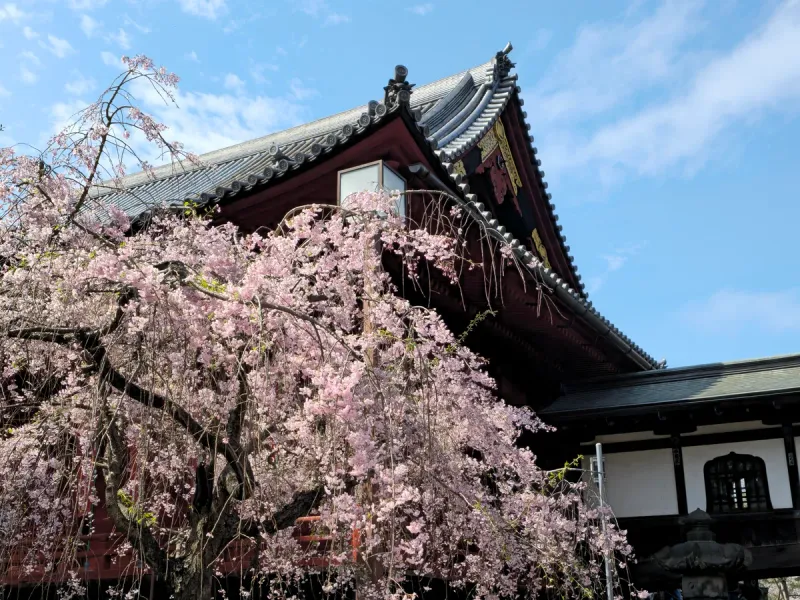
Tokyo’s oldest temple has been standing in Asakusa since the year 645, which means it was ancient before Tokyo was even called Tokyo. The approach through the Kaminarimon (Thunder Gate) and down Nakamise shopping street is theatrical by design. It’s meant to build anticipation. The gate itself, with its enormous red lantern, is one of the most photographed spots in Japan. The temple complex beyond it is free to enter and genuinely beautiful, with incense smoke drifting through the main hall and the five-storey pagoda rising against whatever sky Tokyo is giving you that day. The problem is the crowds. Between 10 AM and 4 PM, Senso-ji can feel like a theme park. The fix is simple: come before 7 AM. The gates are open, the grounds are nearly empty, and the light is perfect for photos. Evening visits after dark work too, when the lanterns are lit and the day-trippers are gone.

1

Senso-ji

attraction Asakusa
4.5 Google 4.4 TripAdvisor 2-3-1 Asakusa, Taito City, Tokyo
  • Tokyo's oldest and most iconic Buddhist temple
  • The grand Kaminarimon gate is one of Japan's most photographed landmarks
  • Free entry, stunning architecture, rich history
Tip

Visit before 7 AM to have the temple grounds nearly to yourself. Evening visits after dark are also peaceful.

"Sensoji is known for its extraordinary atmosphere and stunning architecture. Go early morning or late evening to avoid crowds."

2. Shibuya Sky

Every Tokyo visitor needs at least one high-altitude view, and Shibuya Sky is the one to choose. The open-air rooftop observatory sits 230 metres above the Shibuya Scramble Crossing, which means you can look straight down at the world’s most famous intersection while also taking in Tokyo Tower, Skytree, and, on clear days, Mt Fuji. The indoor section has some light installations and a photo area, but the real draw is the outdoor roof. There’s a bar up there serving drinks until late, and the helipad area gives you a completely unobstructed 360-degree view. Evening visits around 8 PM are the sweet spot: you get the tail end of sunset and the city lights switching on. It can get cold and windy on the roof, so bring a layer even in spring. Tickets sell out, especially for sunset slots, so book online a few days ahead.

2

Shibuya Sky

attraction Shibuya
4.6 Google 4.4 TripAdvisor 60-90 mins Shibuya Scramble Square, 2-24-12, Shibuya, Tokyo
  • 360-degree views from 230 metres above Shibuya
  • Open-air rooftop observatory with helipad area
  • Views of Tokyo Tower, Skytree, and Mt Fuji on clear days
Tip

Book online in advance. Visit around 8 PM for the best night views. Bring a jacket for the open-air rooftop.

"Breathtaking views from the open-air observation deck atop Shibuya Scramble Square. The rooftop bar adds to the experience."

3. Meiji Jingu

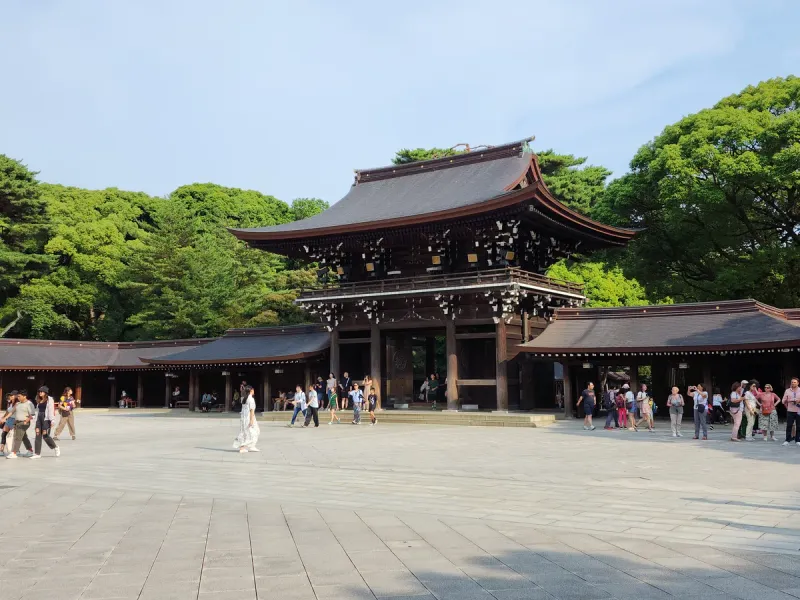
The contrast is what makes Meiji Jingu special. One minute you’re in Harajuku, surrounded by crepe shops and streetwear stores. Then you pass through an enormous torii gate and suddenly you’re walking through a 170-acre evergreen forest that feels like rural Japan. The forest was actually planted in 1920 by 100,000 volunteers, with trees donated from every region of the country. It’s now so dense it could pass for ancient woodland. The shrine at the end of the path is dedicated to Emperor Meiji and Empress Shoken. You’ll likely see a Shinto wedding ceremony or traditional ritual if you visit on a weekend. The correct etiquette is to bow before passing through the torii, and purify your hands at the temizuya (water pavilion) before approaching the main hall. Early morning visits are quietest. Combine it with Yoyogi Park next door, where on Sundays you’ll find cosplayers, musicians, and dance groups.

Meiji Jingu
3

Meiji Jingu

attraction Harajuku
4.6 Google 1-1 Yoyogikamizonocho, Shibuya, Tokyo
  • Tokyo's most important Shinto shrine surrounded by 170-acre forest
  • Peaceful escape from the city just steps from Harajuku
  • Traditional Shinto rituals and beautiful wooden architecture
Tip

Visit early morning to avoid crowds. Bow before passing through torii gates. Purify hands at the water pavilion.

"Meiji Jingu offers a serene and culturally rich experience surrounded by lush forest. The walk through the forested approach is half the experience."

4. teamLab Borderless

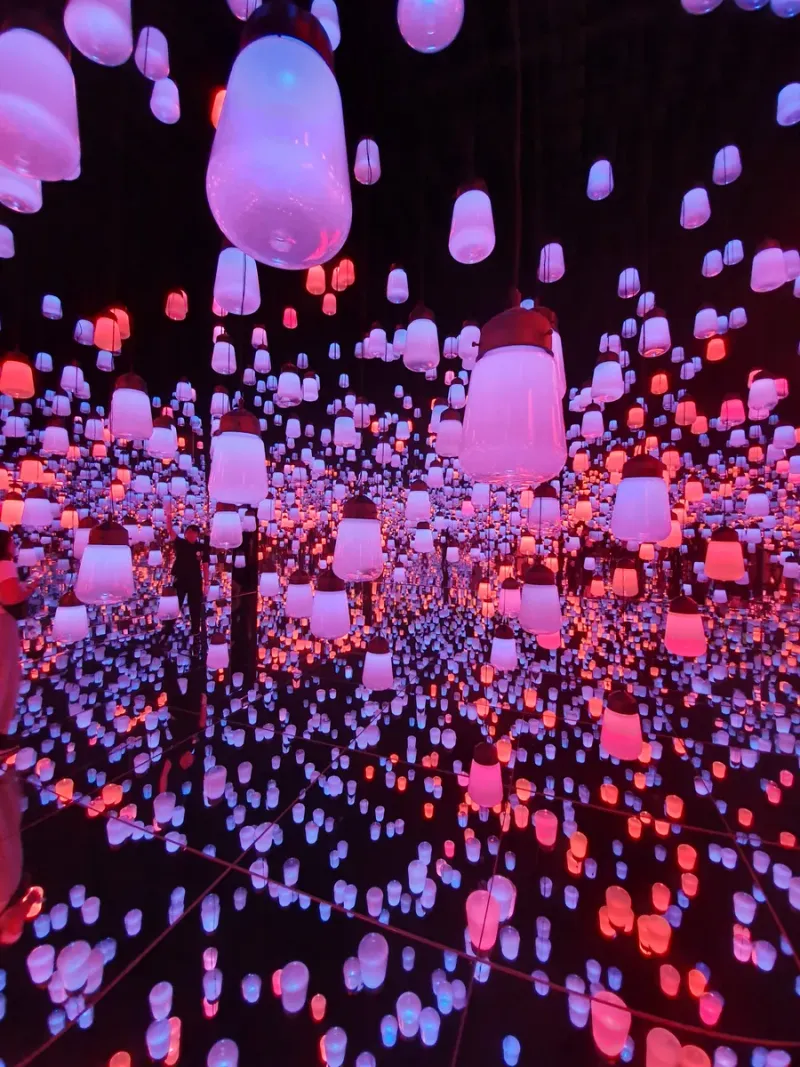
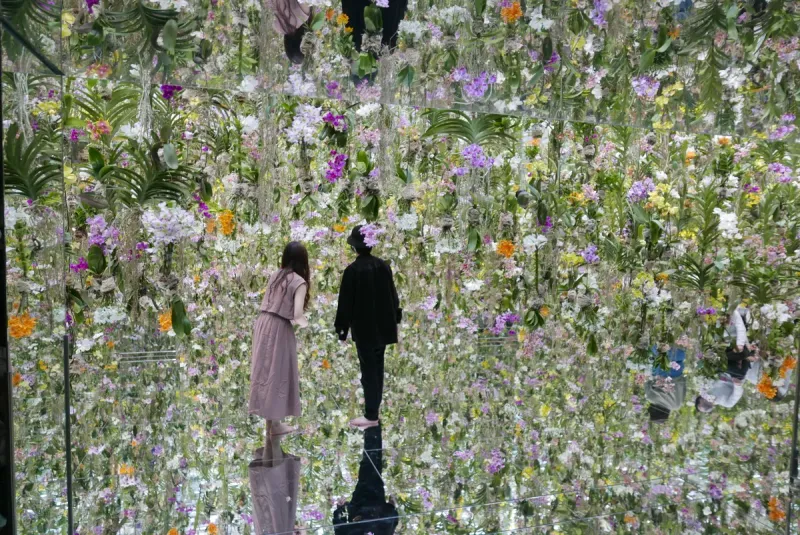
teamLab Borderless relocated from Odaiba to Azabudai Hills in 2023 and came back bigger. The concept is simple: rooms filled with digital art that moves, shifts, and responds to your presence. In practice, it’s disorienting in the best way. You wander through dark corridors and suddenly you’re standing in a room of cascading digital waterfalls, or a field of flowers that bloom and die around your feet. The installations “border” each other, spilling from one room to the next, so no two visits are identical. Some rooms respond to touch. Others change based on how many people are standing in them. It’s a photographer’s dream, especially in light-coloured clothing which picks up the projections. Book an early morning time slot and budget at least two hours. The teamLab app explains each installation as you walk through.

teamLab Borderless
4

teamLab Borderless

museum Toranomon
4.6 Google 4.5 TripAdvisor Azabudai Hills Garden Plaza, Minato City, Tokyo
  • Immersive digital art museum where installations shift and transform
  • Interactive exhibits respond to touch and movement
  • Relocated to Azabudai Hills in 2023 with expanded installations
Tip

Book early morning slots for fewer crowds. Wear light-coloured clothing for better visual effects in the dark rooms.

"teamLab Borderless offers a unique immersive experience where art, light, and technology blend seamlessly. Visitors describe it as dreamlike."

5. Shibuya Crossing

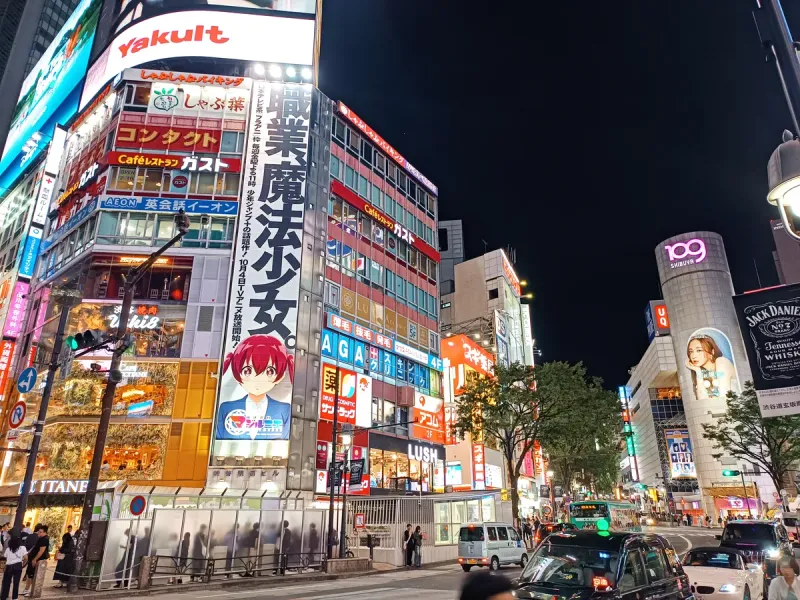
You’ve seen it in films, you’ve seen it on social media, and it still catches you off guard in person. At peak times, up to 3,000 people step off the curb simultaneously from all directions, navigate around each other without collision, and reach the other side in about 45 seconds. It’s mesmerizing and slightly terrifying. The best way to experience it is both from above and at street level. For the aerial view, the Starbucks on the second floor of the Tsutaya building has window seats that look directly down at the crossing (get there early or you won’t get a window seat). Then go down and cross it yourself. At night, with the neon and video screens blazing, it’s even better. The Hachiko statue outside the station is right there too, still the most popular meeting spot in Tokyo. This whole experience is free.

Shibuya Crossing
5

Shibuya Crossing

attraction Shibuya
4.5 Google Shibuya, Tokyo
  • The world's busiest pedestrian crossing
  • Up to 3,000 people cross simultaneously at peak times
  • The Hachiko statue is right outside the station
Tip

Watch from the Starbucks above for the aerial view, or cross it yourself at street level. Best at night.

"An iconic intersection known for its mesmerizing spectacle. Best experienced at night when city lights enhance the atmosphere."

6. Tsukiji Outer Market

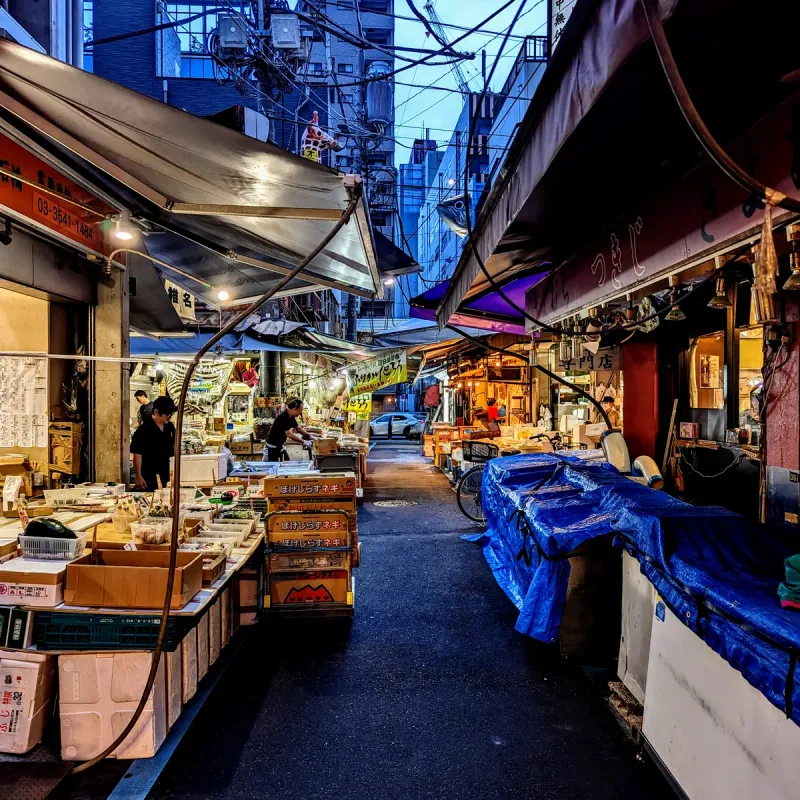
The inner wholesale market moved to Toyosu in 2018, but Tsukiji’s outer market is still very much alive and better than ever. Dozens of stalls line narrow streets selling everything from fresh sushi and grilled scallops to tamagoyaki (sweet Japanese omelet) cooked on sticks. The best approach is to arrive early (before 9 AM), walk the full circuit once to scout, then loop back to buy from the stalls that caught your eye. Most food is eaten standing or walking. The grilled seafood skewers, especially the giant scallops, are the move. If you’re visiting Tokyo with someone who is nervous about raw fish, this is the place that will convert them. You can combine Tsukiji with a walk to nearby Ginza Kagari for ramen and the Tsukiji Ihachi wagyu spot from our restaurant guide.

Tsukiji Outer Market
6

Tsukiji Outer Market

attraction Ginza
4.2 Google 4.1 TripAdvisor 4-16 Tsukiji, Chuo City, Tokyo
  • Street food paradise with fresh sushi, grilled seafood, and tamagoyaki
  • Authentic cultural experience where tradition meets everyday Tokyo life
  • Free to explore, with food stalls at every turn
Tip

Visit early morning for the freshest food. Many stalls close by early afternoon. Eat standing, it's the norm.

"A must-visit for food enthusiasts with wide variety of street food. Visit early for the freshest offerings and fewer crowds."

7. teamLab Planets

Planets is teamLab’s other Tokyo museum, and it’s a different experience from Borderless. Where Borderless is about wandering through rooms, Planets is about physical immersion. You take off your shoes at the entrance and walk barefoot through installations that include knee-deep water, soft sand, and surfaces that change texture underfoot. The crystal light mirror room, where infinite LED strings reflect in mirrored floors and ceilings, is the most photographed room in either museum. There’s a vegan ramen shop by UZU inside the complex that’s surprisingly good. Planets expanded in 2025 but is scheduled to close permanently in 2027, so this is genuinely a “do it now” situation. Wear shorts or trousers you can roll up; long dresses and jeans are a bad call. Book tickets in advance.

teamLab Planets
7

teamLab Planets

attraction Toyosu
4.5 Google 4.3 TripAdvisor 120-180 mins 6-1-16 Toyosu, Koto City, Tokyo
  • Walk barefoot through water installations and light projections
  • Crystal light mirror room for unforgettable photos
  • Closing in 2027, so visit while you can
Tip

Wear shorts or trousers you can roll up. You walk barefoot through knee-deep water. Closing permanently in 2027.

"A stunning immersive experience with interactive installations. The water area where you walk barefoot is the highlight."

8. Shinjuku Gyoen National Garden

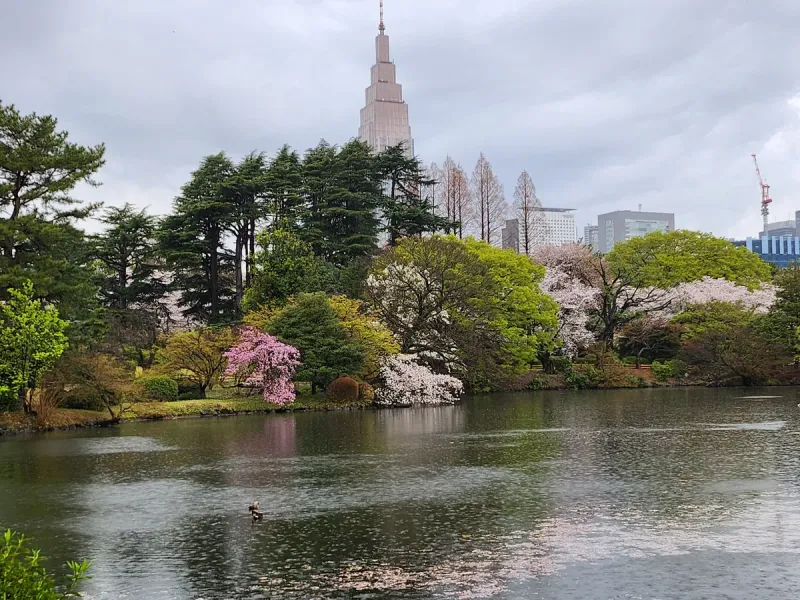
Shinjuku Gyoen is three gardens in one: a traditional Japanese garden with koi ponds and stone bridges, a formal French garden with symmetrical flowerbeds, and an English landscape garden with wide lawns. It’s one of the best cherry blossom spots in Tokyo (the government famously hosts its annual cherry blossom viewing party here), and in autumn the maple trees turn the Japanese garden into a painting. Even outside peak seasons, it’s a genuine escape. The ¥500 entry fee keeps out the casual foot traffic, and the no-alcohol policy means it stays peaceful. It’s right next to Shinjuku station, so you can pair it with a morning in the garden followed by an afternoon in the neighbourhood’s department stores or the evening bar scene. Close to Soba House Konjiki-Hototogisu if you want the best ramen in the area for lunch.

Shinjuku Gyoen National Garden
8

Shinjuku Gyoen National Garden

attraction Shinjuku
4.6 Google 4.6 TripAdvisor 11 Naitomachi, Shinjuku City, Tokyo
  • Japanese, French, and English gardens in one park
  • Tokyo's best cherry blossom viewing spot
  • Peaceful escape from Shinjuku's chaos
Tip

¥500 entry. No alcohol allowed. Visit during cherry blossom season (late March-April) for the best experience.

"A serene oasis offering beautifully maintained gardens. Peak beauty during cherry blossom and autumn foliage seasons."

9. Imperial Palace

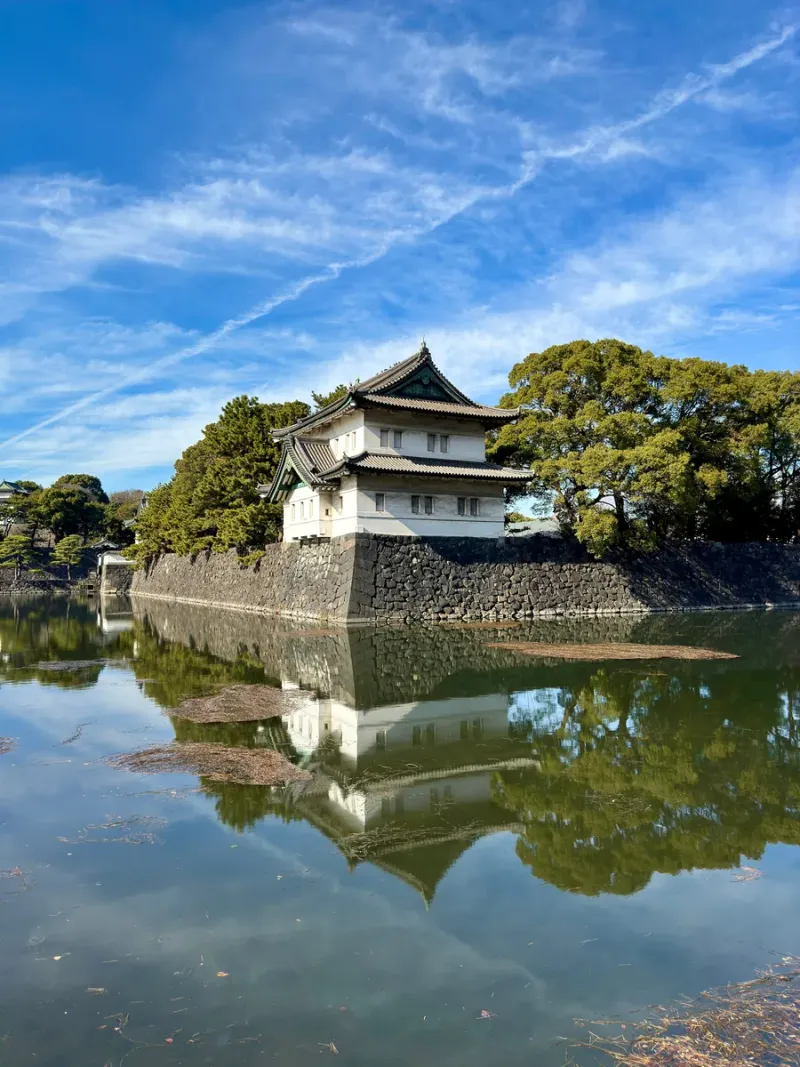
The emperor of Japan lives here, which makes the grounds more restricted than a typical park, but the accessible parts are worth the visit. The East Gardens are free, open to the public, and genuinely beautiful, with remnants of old Edo Castle walls, manicured lawns, and seasonal flowers. The Nijubashi Bridge, with the palace buildings reflected in the moat behind it, is one of Tokyo’s most iconic photo spots. You can walk the outer perimeter of the moat in about an hour, and runners use it as a jogging loop (you’ll see them at any hour). For the inner palace and select buildings, you need to register for a guided tour in advance through the Imperial Household Agency website. The area around the palace is corporate Marunouchi, which has good lunch options and direct access to Tokyo Station.

Imperial Palace
9

Imperial Palace

attraction Marunouchi
4.4 Google 3.8 TripAdvisor 90-240 mins 1-1 Chiyoda, Chiyoda City, Tokyo
  • Home of the Japanese Emperor
  • Beautiful gardens and remnants of Edo Castle walls
  • The iconic Nijubashi Bridge is a must-see photo spot
Tip

The East Gardens are free and open to the public. The inner palace requires advance registration for guided tours.

"A serene oasis surrounded by skyscrapers with beautifully landscaped East Gardens. The Nijubashi Bridge view is iconic."

10. Tokyo Skytree

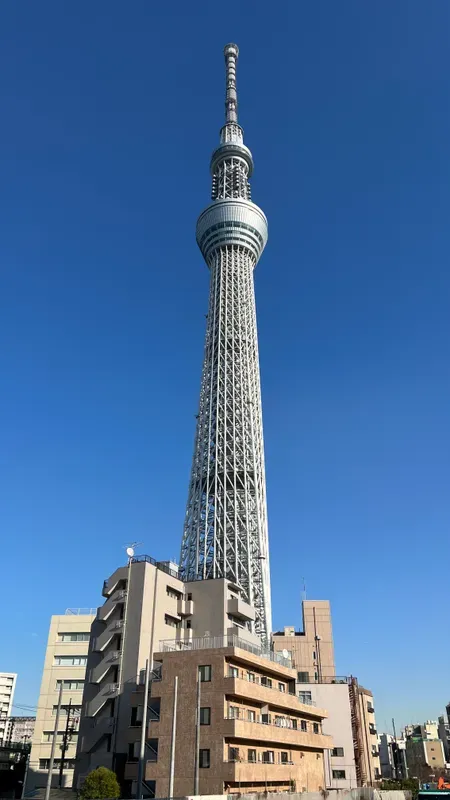
At 634 metres, Skytree is the tallest structure in Japan and the second tallest in the world. The two observation decks (at 350m and 450m) give you a view that stretches to the horizon in every direction, with Mt Fuji visible on clear days. The glass floor sections on the lower deck let you look straight down, which is either thrilling or terrifying depending on your relationship with heights. Unlike Shibuya Sky, Skytree is in eastern Tokyo near Asakusa, so the view gives you the full westward sweep across the city. Sunset tickets are the most popular (and most expensive). Skytree Town at the base has over 300 shops and restaurants, plus an aquarium, so there’s plenty to do even if the weather isn’t cooperating. Book tickets online for sunset slots. On weekdays or overcast days, the queues are much shorter.

Tokyo Skytree
10

Tokyo Skytree

attraction Oshiage
4.4 Google 4.2 TripAdvisor 60-90 mins 1-1-2 Oshiage, Sumida City, Tokyo
  • Japan's tallest structure at 634 metres
  • Two observation decks with panoramic city views
  • Glass floor sections for a unique perspective
Tip

Book sunset tickets online for the best views. Skytree Town at the base has shopping, dining, and an aquarium.

"Breathtaking panoramic views with efficient ticket purchasing. Stunning during both day and night. Skytree Town adds shopping and dining."

11. Ueno Park

Ueno Park is the kind of place where you come for one thing and stay for five. The Tokyo National Museum alone could take half a day, with one of the world’s finest collections of Japanese art and archaeological artefacts. But the park also contains the National Museum of Western Art (designed by Le Corbusier), the Ueno Zoo, Shinobazu Pond with its summer lotus flowers, and several shrines and temples connected by wooded paths. In spring, the cherry blossom viewing here is legendary and raucous: families set up tarps, crack open bento boxes, and drink beer under the canopy. It’s the most social you’ll see Tokyo get in a public space. Even outside blossom season, the park is a good anchor for a day in the Ueno-Asakusa area. The street market underneath the Yamanote train tracks (Ameyoko) is a short walk south.

Ueno Park
11

Ueno Park

attraction Ueno
4.4 Google 4.3 TripAdvisor Uenokoen, Taito City, Tokyo
  • Cherry blossom viewing in spring
  • Tokyo National Museum and several other world-class museums
  • Centuries-old temples, shrines, and a scenic boating pond
Tip

Home to Tokyo National Museum, the zoo, and multiple temples. You could spend a full day here.

"A massive park offering cherry blossoms, grand museums, centuries-old temples, and a scenic pond with lotus flowers."

12. Nakamise Shopping Street

The 250-metre shopping street between the Kaminarimon gate and Senso-ji temple has been selling souvenirs and snacks since the 18th century. It’s touristy, sure, but it’s also genuinely fun if you approach it as a food crawl. The ningyoyaki (small custard-filled cakes shaped like temple motifs) are the signature snack. The beef croquettes from the stalls on the left side are consistently good. Rice crackers, matcha soft serve, and melon pan (sweet bread) fill out the rest. The prices are slightly inflated compared to what you’d pay elsewhere, but not egregiously. The two smaller side streets that branch off Nakamise are less crowded and have some interesting craft shops. Between 11 AM and 1 PM it’s a wall of people; before 10 AM or after 3 PM is much more pleasant. Since you’re already in Asakusa, pair this with Senso-ji and Asakusa Chicken from our restaurant guide.

12

Nakamise Shopping Street

attraction Asakusa
4.3 Google 4.0 TripAdvisor 30-60 mins 1-36-3 Asakusa, Taito City, Tokyo
  • Historic shopping street leading to Senso-ji temple
  • Street food like beef croquettes and melon pan
  • Traditional souvenirs and crafts at every stall
Tip

Visit before 11 AM or after 3 PM to avoid the worst crowds. Try the ningyoyaki (custard-filled cakes).

"A lively historic shopping street offering unique souvenirs, street food, and an authentic Japanese atmosphere."

13. Nezu Shrine

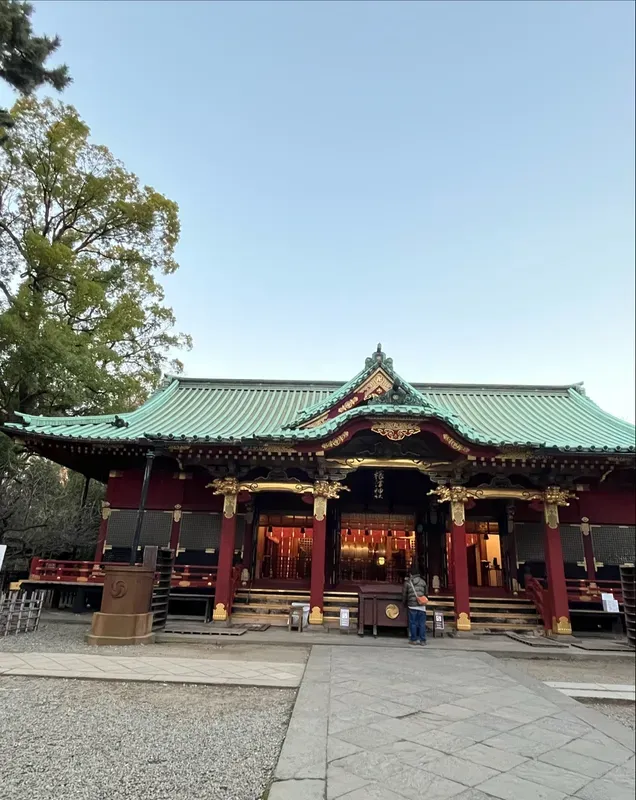
Most Tokyo guides skip Nezu Shrine, which is exactly why it’s worth visiting. Tucked into the Yanaka district, one of the few Tokyo neighbourhoods that survived both the 1923 earthquake and World War II bombing, Nezu Shrine has a tunnel of vermillion torii gates that rivals Kyoto’s Fushimi Inari but without the crowds. The shrine’s azalea garden contains 3,000 bushes that bloom in a riot of pink, red, and white in late April and early May. Even outside the azalea festival, the grounds are beautifully maintained, with a koi pond and shaded paths. The surrounding Yanaka neighbourhood feels like old Tokyo: narrow lanes, independent shops, a shotengai (shopping street) with a famous sunset view, and cats. Lots of cats. It’s a good half-day pairing: Nezu Shrine, then a wander through Yanaka’s backstreets, ending at Yanaka Ginza for a cold beer and a sunset.

Nezu Shrine
13

Nezu Shrine

attraction Yanaka
4.4 Google 4.2 TripAdvisor 1-28-9 Nezu, Bunkyo City, Tokyo
  • Stunning azalea gardens with 3,000 bushes in bloom
  • A tunnel of vermillion torii gates without the Kyoto crowds
  • Peaceful atmosphere in Tokyo's old-town Yanaka district
Tip

Visit late April to early May for the azalea festival. The tunnel of vermillion torii gates rivals Kyoto's Fushimi Inari.

"A picturesque shrine in Yanaka with stunning azalea gardens and torii gate tunnel. Feels like a miniature Kyoto without tourists."

14. Ghibli Museum

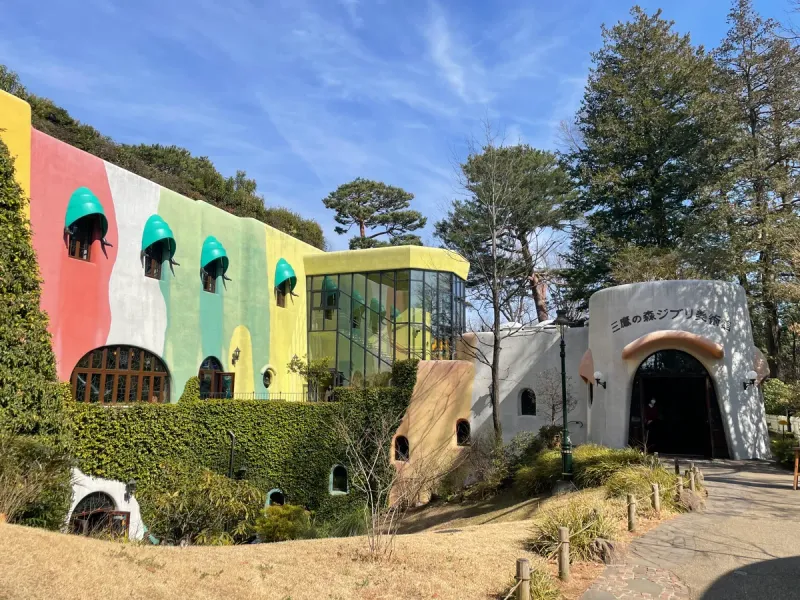
If you’ve ever watched Spirited Away, My Neighbor Totoro, or Princess Mononoke, the Ghibli Museum in Mitaka is a pilgrimage. Designed by Hayao Miyazaki himself, the building feels like walking into one of his films: staircases that lead in unexpected directions, rooms that open onto hidden gardens, and a life-sized robot soldier from Castle in the Sky on the rooftop. Inside, you’ll find concept art and original sketches from every major Ghibli production, plus exclusive short films that are shown only at the museum and rotate monthly. Photography is not allowed inside, which feels annoying at first but actually forces you to experience it in a way that Instagram usually prevents. Tickets sell out fast and must be purchased in advance. Check the website a few weeks ahead for release dates. Plan about two hours, more if you want to browse the gift shop, which is dangerously well-stocked.

Ghibli Museum
14

Ghibli Museum

museum Mitaka
4.5 Google 4.3 TripAdvisor 120-180 mins 1-1-83 Shimorenjaku, Mitaka, Tokyo
  • Concept art and sketches from every Miyazaki film
  • Exclusive short films shown only at the museum
  • The building itself feels like walking into a Ghibli movie
Tip

Tickets sell out fast. Check the website weeks ahead for release dates. No photography inside.

"A dream for Studio Ghibli fans with concept art rooms, rooftop robot soldier, and exclusive short films."

15. Warner Bros. Studio Tour Tokyo - The Making of Harry Potter

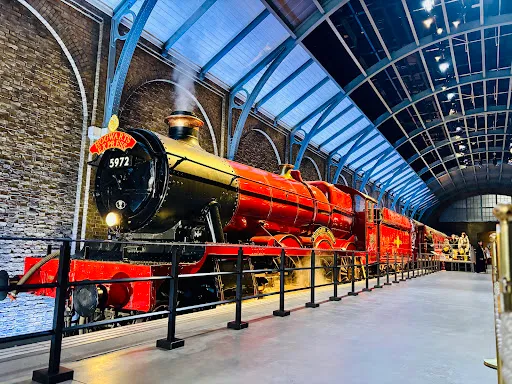
Asia’s only Harry Potter studio tour opened in 2023 on the site of the former Toshimaen amusement park, and it’s the largest of the global Warner Bros. studio tour facilities. The sets are authentic (the Great Hall, Diagon Alley, Dumbledore’s office), the props are real, and the interactive elements are better than what you’d find at Universal’s theme parks. You can try wand choreography, ride a broomstick for a green-screen photo, and drink Butterbeer at themed cafes inside. Unlike the London original, the Tokyo version has exclusive Japan-only sets and the production quality is noticeably higher. Plan a full day. Morning slots give you the most time, and the ticket includes timed entry so there’s no endless queueing. The merchandise is expensive and extensive. If you’re buying robes or wands, do it early before the gift shop gets packed at closing time.

Warner Bros. Studio Tour Tokyo - The Making of Harry Potter
15

Warner Bros. Studio Tour Tokyo - The Making of Harry Potter

attraction Toshimaen
4.7 Google 1-1-7 Kasugacho, Nerima City, Tokyo
  • Authentic sets, props, and costumes from the Harry Potter films
  • Interactive wand choreography and broomstick rides
  • Butterbeer and themed cafes inside the studio
Tip

Book morning slots for a full day. Pack a power bank for photos. Buy merch early before shops get busy.

"A truly magical experience with authentic sets, interactive experiences, and themed dining. Plan for a full day."

How to Plan Your Days in Tokyo

Group by neighbourhood. Asakusa covers Senso-ji, Nakamise, and the Skytree (they’re close enough to walk between). Shibuya gives you the Crossing, Shibuya Sky, and Meiji Shrine in a single day with energy left for shopping. Shinjuku pairs the garden with evening bars or yakitori at Hinotori. The teamLab museums and Tsukiji work as standalone half-day trips.

A few things that aren’t on this list but might shape your days: the Ghibli Museum requires a train to Mitaka (about 30 minutes from Shinjuku), and the Harry Potter studio tour is in Nerima (about 40 minutes from central Tokyo). Don’t try to combine either with a full day of central sightseeing.

For food, check our best restaurants guide for where to eat in each neighbourhood. A 24-hour metro pass costs ¥600 and covers most travel within central Tokyo. The Suica or Pasmo IC card (loaded at any station) works on trains, buses, and convenience stores.

Planning your trip to Tokyo? Save these places to your itinerary with Tourli, the app that turns travel guides into actionable day plans.

Frequently Asked Questions

How many days do you need in Tokyo?
Five days is the sweet spot for first-time visitors. That gives you time for the major sights (Senso-ji, Shibuya, Shinjuku, Meiji Shrine), plus a teamLab visit, a day trip to Tsukiji market, and time to explore a quieter neighbourhood like Yanaka or Shimokitazawa without rushing.
What is the best time of year to visit Tokyo?
Late March to mid-April for cherry blossoms, or mid-November for autumn foliage. Both bring crowds but the city is extraordinary during these seasons. Summer (June-August) is hot and humid with a rainy season in June-July. Winter (December-February) is cold but dry, with fewer tourists and clear views of Mt Fuji from observation decks.
Is Tokyo expensive for tourists?
Less than you'd expect. The weak yen (as of 2026) makes Tokyo cheaper than London or New York for most things. A bowl of ramen costs ¥900-1,200 ($6-8), a 24-hour metro pass is ¥600 ($4), and many of Tokyo's best experiences (Meiji Shrine, Tsukiji market, Shibuya Crossing) are completely free.
Do I need to speak Japanese in Tokyo?
No. Major attractions, train stations, and tourist areas have English signage. Restaurant ticket machines often have English options. Google Translate's camera feature handles menus. Most younger Japanese people speak some English. You'll manage fine, though learning basic phrases (sumimasen, arigatou) goes a long way.

More Tokyo Guides

3-Day Tokyo Itinerary (2026)

Itinerary

Three days, three pairs of neighbourhoods. This itinerary groups Tokyo by geography so you spend less time underground and more time eating, photographing, and getting properly lost.

14 places 3 days

5-Day Tokyo Itinerary (2026)

Itinerary

Five days, five neighbourhoods. This itinerary groups Tokyo by geography so you spend less time on trains and more time eating, exploring, and getting lost in the right way.

25 places 5 days

Things to Do in Asakusa, Tokyo (2026 Neighbourhood Guide)

Guide

Asakusa is Tokyo at its most traditional. While most of the city rebuilt itself into glass and steel after the war, this neighbourhood held onto its wooden shopfronts, its temple rituals, and its open-air drinking culture. Senso-ji has been standing here since the seventh century. Nakamise has been selling rice crackers and souvenirs since the Edo period. And Hoppy Street has been serving cheap beer alternatives to salarymen since the 1940s. It's the part of Tokyo that still feels like old Tokyo, and it's one of the few neighbourhoods where you can spend an entire day without running out of things to see, eat, and do.

13 places

Best Breakfast in Tokyo (2026) - From 6AM Sushi to Kissaten Toast

Vibe

Tokyo is one of the few cities where eating sushi at 6 AM is completely normal. Breakfast here spans everything from a three-piece sashimi set at a Tsukiji fish stall to a ¥500 kissaten morning set with toast so thick it could double as a pillow. This guide covers 11 ways to start your day, from the traditional to the trendy.

11 places

11 Best Brunch Spots in Tokyo (2026)

Vibe

Tokyo takes breakfast seriously, just not in the way you might expect. The city runs on kissaten morning sets, fluffy souffle pancakes that take 20 minutes to cook, and hotel buffets that could double as Michelin-level tasting menus. This guide covers all of it.

11 places

15 Best Cafes in Tokyo (2026)

Guide

Tokyo has over 550 cafes in our database alone, ranging from century-old kissaten to cafes where a capybara sits in your lap. These 15 cover matcha specialists, third-wave roasters, themed experiences, and traditional tea shops.

15 places

Save these places to your Tokyo trip

Tourli turns travel guides into actionable day plans. Save places, get walking directions, and share your itinerary — all in one app.