First launch site: Asakusa, Tokyo Skytree or Honjo-azumabashi stations. Second site: Kuramae, Ryogoku or Asakusabashi. Don't go home from Asakusa Station.
Tokyo Summer Festivals and Fireworks: Sumida River, Awa Odori and How to Watch (2026)
Sumida River is Tokyo's classic fireworks night and Edogawa the clearest view, with Sanja in May and the Awa Odori in August. The catch at all of them is the heat and the trains home.
Tokyo's summer festivals and fireworks the big shows, the street festivals, and how to get home afterwards
If you're in Tokyo for one summer night, make it the Sumida River Fireworks, usually on the last Saturday of July (25 July in 2026): about 20,000 fireworks over the rooftops of Asakusa, free to watch from the streets. For a seat and a clear view, go to Edogawa in early August, where 14,000 go up over a wide, open riverbank. The festivals bookend the summer: Sanja Matsuri in Asakusa in mid-May (14 to 16 May 2027) and the Koenji Awa Odori dance at the end of August, with Bon dances in the parks in between. With kids, a Bon dance is the easy win: it's free, you join in, and Hamacho's has a children's dance time.
Three things decide how your night goes. The 2027 fireworks dates mostly aren't out yet, and they come out from spring onwards. It's hot: July nights in Tokyo average 22.4°C (72°F) and the air is humid, so bring water and arrive with time to spare. And the trains afterwards are the hardest part, so plan your station before you go. For how summer compares with the rest of the year, see the best time to visit Tokyo.
Sumida River Fireworks (Sumida Park)
The Sumida River Fireworks is the one everyone means by 'Tokyo fireworks'. Its roots go back to 1733, when restaurants by Ryogoku Bridge set off fireworks after the shogun's water-god festival, held for the victims of a famine and an epidemic. Today about 20,000 go up from two launch sites on the river, around 10,000 each: the first site, upriver near Asakusa and Tokyo Skytree, starts at 7pm and bursts at about 200 metres; the second, downriver by Kuramae and Ryogoku, starts at 7:30pm and bursts lower, at about 120 metres. A contest between ten fireworks makers is part of the show. In 2026 it was on Saturday 25 July; watch sumidagawa-hanabi.com from spring for the 2027 date.
How to watch: the river has no banks to sit on, so this is a show you watch on foot from the bridges and streets around the launch sites, following one-way routes. Marking out or reserving space is banned, and the police can close the bridges near the sites from 6pm, so get into position before then. Food stalls aren't allowed in the parks or on the streets nearby, so bring food and drink. Ash and spent casings can fall near the launch sites; a hat and glasses help.
Paid seats: the only seats are the 'citizen sponsor' seats, a donation that comes with a seat. In 2026 they went on sale online on 10 May, first come first served, and sold out before sales closed on 6 July, so be ready in May. A pipe chair was ¥8,000 or ¥9,000 depending on the bank, a five-person vinyl sheet ¥25,000. The catch: no refund even if the show is cancelled. Going home: not from Asakusa Station. Walk to another station or wait an hour until the crowd thins.
Edogawa Fireworks (Edogawa riverbank by Shinozaki Park)
The Edogawa Fireworks is the one I'd pick for a proper view. It's held on the wide grassy banks of the Edogawa river on the eastern edge of Tokyo, so the whole sky is open, and about 14,000 fireworks go up from a single site, among the biggest single-site shows in Japan. Soke Hanabi Kagiya, a fireworks maker founded more than 360 years ago, has fired it every year since the first in 1976. It opens with 1,000 shells in five seconds, and its set piece is a fireworks Mount Fuji 59.2 metres high, a Guinness World Record. In 2026 it was on Saturday 1 August, 7:15pm to 8:20pm.
Seats: about 18,000 paid seats, from ¥2,000. In 2026 chairs on the cycling path and by the launch site were ¥5,000 to ¥9,000, two-person blue sheets on the embankment ¥12,000 to ¥15,000 and four-person sheets from ¥20,000. They went on sale to everyone on 13 June (residents had a lottery from 30 May) through Rakuten Ticket, and all of them sold out. Children of primary-school age and up need a ticket. Resale is allowed only on the event's official resale site.
Free: the riverbank outside the paid areas is a free viewing area. You may claim a spot from 5pm the day before (31 July in 2026), about 1 metre square each, with no pegs, ropes or spray paint. Drinks are sold from 4pm to 6:30pm, but not alcohol, so bring food. The same fireworks are watched from the Chiba bank as Ichikawa City's own festival, and Ichikawa's tickets don't work on the Tokyo side. Going home: Shinozaki Station has had two-hour queues to get in; walk 25 minutes to Keisei Edogawa or 45 to Mizue instead.
Shinozaki Station (Toei Shinjuku line) is about 15 minutes on foot. Go home from Keisei Edogawa or Mizue, not Shinozaki or Koiwa.
Jingu Gaien Fireworks (Meiji Jingu Stadium)
The Jingu Gaien Fireworks is a concert with fireworks on top. The 10,000 fireworks go up from a smaller baseball ground in the outer garden of Meiji Jingu, and you watch from the seats of Jingu Stadium or Chichibunomiya Rugby Stadium next door, after an afternoon of live music on a stage in each. In 2026 it was on Saturday 8 August, fireworks from 7:30pm to 8:30pm with no break. Book it if you want a seat, music and no waiting on a riverbank.
Tickets only. There's no free viewing area, watching from the pavements isn't allowed, and the organiser asks people without tickets not to come. In 2026 Jingu Stadium seats were ¥11,000 to ¥15,000 and the rugby stadium ¥7,000, and the extra seats added later included cheaper ones where the stage or the fireworks are partly blocked (check which before you buy). Everyone aged 4 and over needs a ticket. It goes ahead in light rain; in a storm it moves to the next day, and you get a refund only if both days are called off. No bottles or cans; umbrellas aren't allowed during the show, so bring a raincoat.
For Jingu Stadium: Sendagaya or Shinanomachi (JR) or Kokuritsu-Kyogijo (Oedo line). For the rugby stadium: Gaienmae or Aoyama-itchome. No bottles or cans.
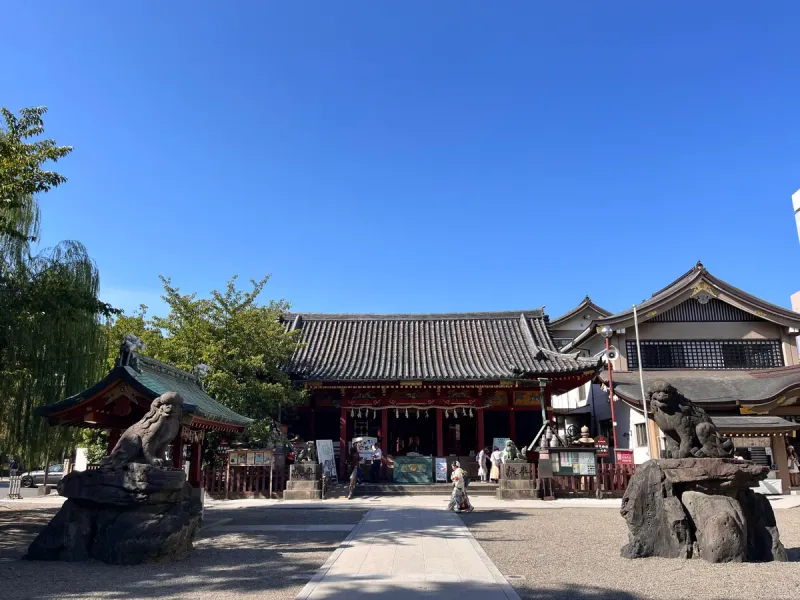
Asakusa Shrine (Sanja Matsuri)
Sanja Matsuri is Asakusa Shrine's own festival and the start of Tokyo's festival season, in mid-May rather than high summer. In 2027 it runs Friday 14 to Sunday 16 May; the times can still shift, so check the shrine's page the week before. On the Friday at 1pm a parade of festival musicians, fire-brigade chanters, the shrine's old binzasara dance and the white heron dance winds through the streets to the shrine (cancelled in rain). On the Saturday, from noon, about 100 neighbourhood mikoshi, portable shrines from the 44 districts of Asakusa, set off one by one from behind Senso-ji's main hall.
Sunday is the day to see. At 7am the shrine's three own mikoshi leave the grounds, the miyadashi, and spend the day being carried through the neighbourhoods, bounced and shaken by the crowds of bearers, before coming home at about 7pm to 8pm. The shrine is beside Senso-ji; for the rest of the area see my Asakusa guide. Kanda Myojin's Kanda Matsuri, the other big May festival, is held every other year; it last ran in 2025.

It's beside Senso-ji, a few minutes from Asakusa Station. Come early on the Sunday for the 7am start, before the streets fill.
Tomioka Hachiman Shrine (Fukagawa Hachiman Matsuri)
The Fukagawa Hachiman Matsuri at Tomioka Hachimangu is one of the three great festivals of old Edo, with Kanda and Sanno, and its nickname says what to expect: the water-throwing festival. As the mikoshi go past, people along the route throw buckets and hosepipes of water over the bearers, who shout 'wasshoi' back. It's a welcome thing on a mid-August afternoon.
The festival centres on 15 August every year, but the full version comes every three years. 2026 was one: the shrine's own procession went out on 15 August, and on 16 August 54 neighbourhood mikoshi paraded together, one more than before, watched by about 310,000 people. On that three-year cycle the next full festival is due in 2029. The shrine's golden main mikoshi, finished in 1991, weighs about 4.5 tonnes and is set with diamonds and rubies; it's too big to be carried every year.
Monzen-nakacho Station (Tozai and Oedo lines) is the stop. If you stand on the route, expect to get wet: spectators throw water over the bearers.
Hamacho Park (Oedo Matsuri Bon Odori)
Bon dancing is the summer festival anyone can join. In July and August, parks and temple grounds put up a yagura, a tall wooden stage with drummers and singers, hang lanterns round it, and people dance slow, repeating steps in a circle around it. You learn by copying the person in front. Chuo City's Oedo Matsuri Bon Odori at Hamacho Park is a big one, with about 70,000 people over two evenings. In 2026 it was on Friday 21 and Saturday 22 August, 4pm to 9pm, with local groups dancing on the yagura, children's bon dance time, festival stalls and the area's own Hamacho music and dance.
It's free, and it's next to Hamacho Station on the Toei Shinjuku line, near the Sumida River. Other neighbourhoods hold their own on weekends through July and August, often in the grounds of the local shrine or temple; look for paper lanterns strung across a park.
Hamacho Station (Toei Shinjuku line) is next to the park. Go after dark, when the lanterns are lit and the circle round the stage is at its biggest.
Tokyo's fireworks calendar
These are the big shows and their 2026 dates. Treat them as a guide to the usual time of year, not a booking date. Cancellation and reserve-day rules differ from show to show, so check the organiser's site or social media on the day.
- Adachi Fireworks (Arakawa river, between the Chiyoda line bridge and Nishiarai Bridge): Saturday 30 May, 7:20pm-8:20pm, about 13,000 in an hour. It moved to May because the heatstroke risk is lower and storms are rarer; 2025's show was cancelled for wind. Watch from the Nishiarai side: the walk from Kita-Senju is the most crowded.
- Sumida River Fireworks (Asakusa): Saturday 25 July, 7pm-8:30pm, about 20,000. Free from the streets; paid seats sold out.
- Katsushika Noryo Fireworks (Edogawa river by Shibamata): Tuesday 28 July, 7:20pm-8:30pm, about 20,000 plus a drone show for its 60th year. Shibamata Station (Keisei) is about 10 minutes on foot; Shin-Shibamata (Hokuso line), 15 minutes away, is usually the quieter one.
- Edogawa Fireworks (Shinozaki): Saturday 1 August, 7:15pm-8:20pm, about 14,000 from one site.
- Itabashi Fireworks (Arakawa river): Saturday 1 August, 7pm-8:30pm, about 15,000 together with Toda's show on the Saitama bank. In 2026 the free area moved upstream: get off at Takashimadaira (Mita line), about 20 minutes on foot. Part of the old free area became ¥2,000 unreserved paid seating; reserved seats cost more.
- Jingu Gaien Fireworks: Saturday 8 August, 7:30pm-8:30pm, 10,000. Ticket only.
- Setagaya Tamagawa Fireworks (Futako-Tamagawa, on the Tama river): Saturday 3 October, 6pm-7pm.
- Tokyo Bay Grand Fireworks (off Harumi pier): Saturday 24 October, 5:30pm-7pm, about 12,000. Back for the first time since 2015, for the 80th anniversaries of Chuo and Minato wards. Ticket only, with no standing on the pavements; general seats in Toyosu and Ariake were ¥5,000 to ¥10,000.
Notice the dates drifting out of high summer: Adachi in May, Tamagawa and Tokyo Bay in October. Heat is a big part of why, so check the month before you assume a show is in July or August.
The Awa Odori and the Samba Carnival
The Koenji Awa Odori is the end of Tokyo's summer: dance troupes from all over Japan parading through the shopping streets of Koenji to drums, flutes and shamisen. In 2026 it was on Saturday 29 and Sunday 30 August, 5pm to 8pm. Watching from the street is free and needs no planning, so it's the easiest big festival to drop into. The catch: it's a weekend, and at weekends the orange Chuo Line rapid trains don't stop at Koenji, so take the yellow Chuo-Sobu local. There's more on the festival, and the rest of the neighbourhood, in my Koenji guide.
The Asakusa Samba Carnival is Asakusa's other parade, a samba contest through the streets of Asakusa modelled on Rio's carnival, with drum sections, dancers and floats. The 2026 parade, on Saturday 29 August, drew about 460,000 people. In 2027 it moves to Saturday 25 September. Go for the spectacle, not comfort: it's standing only, behind barriers along the route, and drones, selfie sticks, tripods and folding chairs are banned. In Kyoto, the Gion Matsuri fills July, with its float processions on 17 and 24 July.
Seats, spots and what to bring
Free or paid. At riverbank shows with a free area, such as Edogawa, the price is waiting: the good spots go early, and you sit in the heat until the show starts. Sumida works differently: nobody may reserve space, and most people watch on foot. A paid seat buys you a guaranteed view and a later arrival. Buy only from the organiser's own sales page, which each site links to. Sumida, Edogawa and Tokyo Bay all ban resale outside their own channels, and Edogawa and Tokyo Bay may refuse entry to tickets bought on resale sites.
When to arrive. Each show sets its own rules. At Edogawa you may claim a riverbank spot from 5pm the day before, so the free area fills early; at Sumida nobody may reserve space, but the police can close the bridges near the launch sites from 6pm, so be in place before then. With a paid seat you can come later. Toilets near the big venues have long queues, so use the ones at the station when you arrive. Phone signal often drops in the crowd, so download the map and agree a meeting point well away from the station.
What to bring. Water, food (stalls are few or none at Sumida and Edogawa), a small picnic sheet, a hand towel, a fan, and a bag for your rubbish, since you take it home. A raincoat beats an umbrella: Jingu Gaien and Tokyo Bay don't allow umbrellas during the show. Charge your IC card before you go, so you don't queue at the ticket machines on the way home.
Yukata. The cotton summer kimono is what many people wear to fireworks and festivals, and rental shops in areas like Asakusa will dress you for the day. Wear shoes you can walk in: Sumida is watched on foot, and the walk to a quieter station afterwards can be 20 to 45 minutes.
Tokyo's summer heat
Tokyo averages 29.9°C (86°F) by day and 22.4°C (72°F) at night in July, and 31.3°C (88°F) and 23.5°C (74°F) in August (1991-2020 averages), with humidity around 75%. That means a fireworks evening is still warm and sticky, and a riverbank afternoon in full sun is hard work.
Watch for the Heat Stroke Alert, which the Ministry of the Environment and JMA issue for each region when the WBGT heat index is forecast at 33 or higher, at 5pm the day before and again at 5am. On an alert day, skip the afternoon wait for a spot and buy a seat or watch from somewhere cooler. Edogawa now calls its show off if a Special Heat Stroke Alert is issued. Drink before you're thirsty, cool down indoors when you can, and head for a first-aid post if you feel unwell.
The trains after the fireworks
Everyone leaves at once, and the nearest station is always the worst. At Sumida, stay away from Asakusa Station after the show; at Edogawa, use Keisei Edogawa or Mizue rather than Shinozaki or Koiwa. Pick your station before you go, ideally one 20 minutes' walk from the river, and walk.
The other option is to wait. Stay where you are for 30 to 60 minutes, or book a restaurant near the venue for after the show, and the platforms clear. A taxi won't help either: roads round the venues are closed for the evening (at Sumida from 6pm to about 9:30pm). For how the trains and IC cards work, see getting around Tokyo.
Watching from a height
If you'd rather skip the crowds, watch from high up. Some hotels with rooms facing a show sell fireworks-night plans, and each sets its own rules for the night, so check with the hotel before you book. My best views in Tokyo guide has the decks.
Planning your trip to Tokyo? Save these places to your itinerary with Tourli, the app that turns travel guides into actionable day plans.

Frequently asked questions.
When is the Sumida River Fireworks in 2027?
Do you need tickets for Tokyo fireworks?
What are the biggest summer festivals in Tokyo?
When should I arrive for the fireworks?
Should I wear a yukata to a Tokyo fireworks festival?
How do you get home after the Sumida River fireworks?
Stop reading lists.
Start the trip.
Tourli turns any guide into an actionable day plan — pinned to a map, walking directions and offline access included. One tap to save every place on this page.