Things to Do in Shibuya, Tokyo (2026 Neighbourhood Guide)

Shibuya is more than a crossing. It's an entire ward of Tokyo that stretches from the neon-drenched scramble intersection through the backstreet bars of Maruyama-cho, the fashion corridors of Harajuku and Omotesando, the forested grounds of Meiji Jingu, and the quieter, more grown-up neighbourhood of Ebisu. This guide covers all of it.

Places
15
Avg Rating
4.6
City
Tokyo

Things to Do in Shibuya: A Neighbourhood Guide

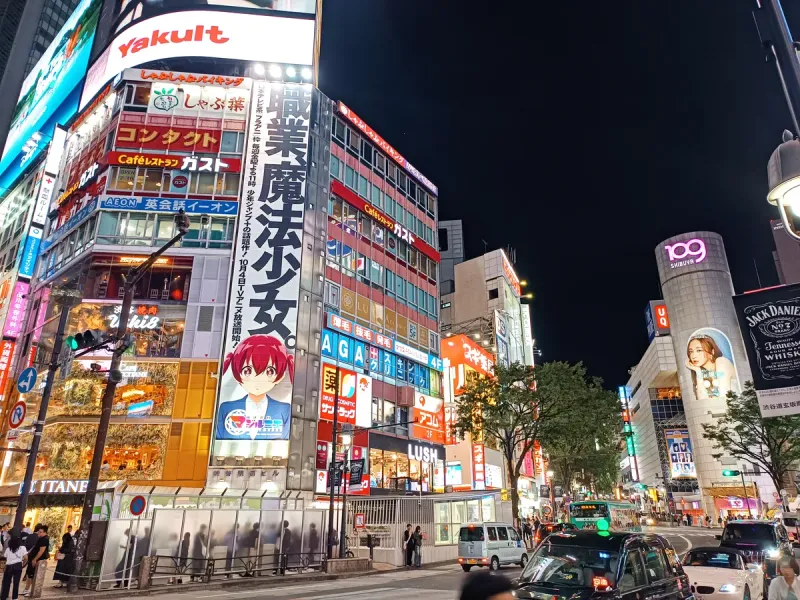
Shibuya is the neighbourhood most first-time visitors picture when they think of Tokyo. The crossing, the neon, the sheer volume of people moving in every direction. But Shibuya ward is significantly bigger than that one intersection, and spending all your time around the station means you’re missing some of the best parts of the city. This is a neighbourhood that contains multitudes: the teenage fashion chaos of Takeshita Street, the tree-lined elegance of Omotesando, a 170-acre forest with a Shinto shrine at its centre, some of the best cocktail bars in Asia, and a rooftop where you can watch 3,000 people cross the street at once while drinking a beer you bought at a convenience store.

The area covered here stretches from Ebisu in the south to Yoyogi Park in the north, and from the Shibuya station scramble west into the nightlife warrens of Dogenzaka and Maruyama-cho. It’s all walkable, though your legs will have opinions about that by the end of the day. Think of Shibuya ward as four or five mini-neighbourhoods stitched together, each with a completely different personality.

Here is how to spend your time in every corner of it.

The Scramble and Shibuya Station Area

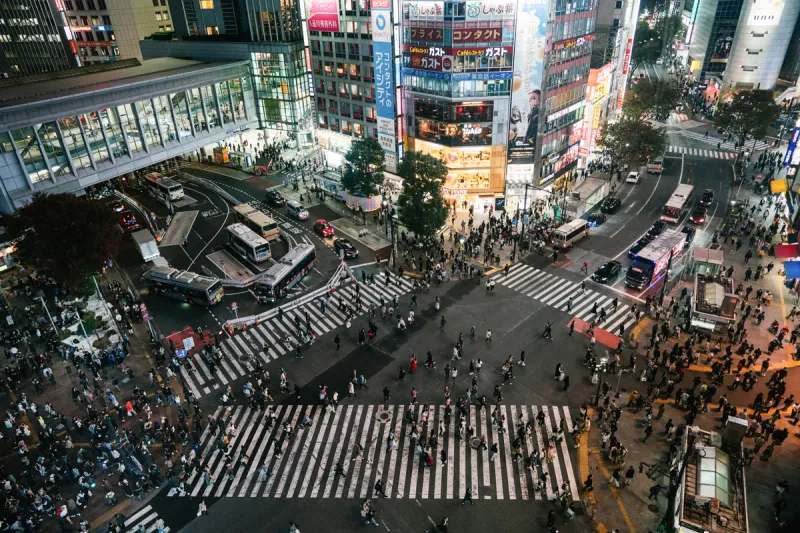
You have to do the crossing. Even if you’ve seen it in every movie and travel video and TikTok, standing in the middle of it when the light changes and thousands of people start walking toward you from five different directions is genuinely disorienting in a way that screens can’t replicate. The trick is to cross it at least twice: once during the evening rush between 5 and 7 PM when the crowds peak, and once late at night when the neon reflects off wet pavement and the whole thing feels like a film set.

Shibuya Crossing
1

Shibuya Crossing

attraction Shibuya
4.5 Google 2 Chome-2-1 Dogenzaka, Shibuya City, Tokyo
  • World's busiest pedestrian crossing
  • Up to 3,000 people crossing simultaneously
  • Iconic Tokyo photo opportunity
Tip

Visit during evening rush hour (5-7 PM) for the biggest crowds. Cross it yourself at least once.

"The famous Shibuya Scramble Crossing is a must-see spectacle where pedestrians flood the intersection from all directions when the lights change."

For the best view from above, you have two options. The free one is Mag’s Park, a rooftop on top of the Magnet by Shibuya 109 building. It’s right on top of the crossing and costs nothing. The paid option is Shibuya Sky, which is in a different league entirely.

Mag's Park Rooftop
11

Mag's Park Rooftop

attraction Shibuya
4.0 Google 1-23-10 Jinnan, Shibuya City, Tokyo
  • Free elevated view of Shibuya Crossing
  • No tickets or reservations required
  • Good alternative to paid Shibuya Sky
Tip

It's a free rooftop on top of the Magnet by Shibuya 109 building. No reservation needed.

"A free rooftop space atop the Magnet building offering direct views over Shibuya Crossing. Less polished than Shibuya Sky but you can't beat the price."

Shibuya Sky sits 230 metres up on top of Scramble Square and it is, frankly, one of the best observation decks in the world. The open-air rooftop section is the reason to go. On a clear day you can see Mount Fuji to the west and Tokyo Skytree to the east, with the entire city grid laid out below you. Book sunset tickets in advance because they sell out. The indoor section has some fun perspective illusions and photo spots, but the roof is the main event. Budget about an hour.

2

Shibuya Sky

attraction Shibuya
4.6 Google Shibuya Scramble Square, 2-24-12 Shibuya, Shibuya City, Tokyo
  • 230-metre observation deck with open-air rooftop
  • 360-degree views including Mount Fuji on clear days
  • Dramatic bird's-eye view of Shibuya Crossing
Tip

Book tickets online in advance. Sunset slots sell out fast. The open-air rooftop is the highlight.

"Shibuya Sky is a stunning observation deck atop Scramble Square offering panoramic views of Tokyo. The open-air rooftop section is the main draw, especially at sunset."

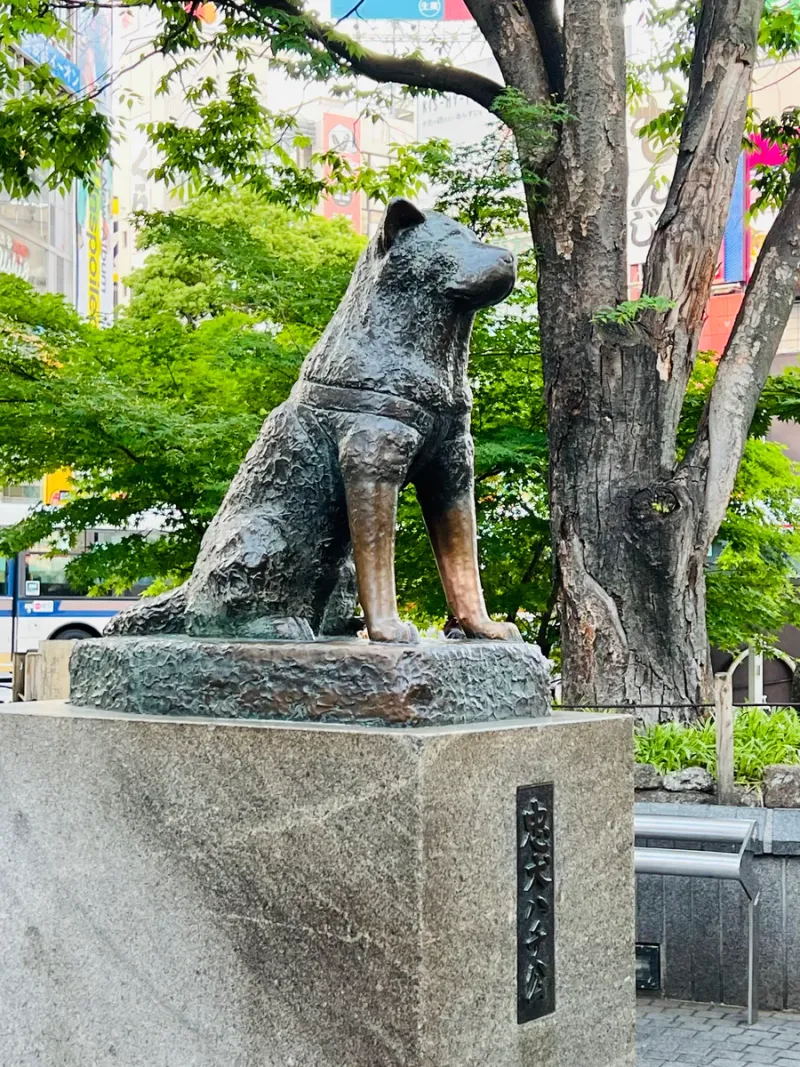
And then there’s Hachiko. The bronze statue of Japan’s most loyal dog sits outside the station’s Hachiko Exit, perpetually surrounded by tourists taking photos and locals waiting for friends. It’s not a long stop. Snap a photo, appreciate the story of an Akita who waited at the station for his deceased owner every day for nearly ten years, and then use the statue as your own meeting point for the rest of the trip. That’s what everyone in Tokyo does.

Hachiko Statue
3

Hachiko Statue

attraction Shibuya
4.4 Google 2-1 Dogenzaka, Shibuya City, Tokyo
  • Tokyo's most famous meeting spot
  • Tribute to Japan's most loyal dog
  • Right next to Shibuya Crossing
Tip

Located right outside Shibuya Station's Hachiko Exit. It's a photo stop, not a long visit.

"The bronze statue of Hachiko is one of Tokyo's most recognizable landmarks. Always surrounded by tourists and locals meeting friends."

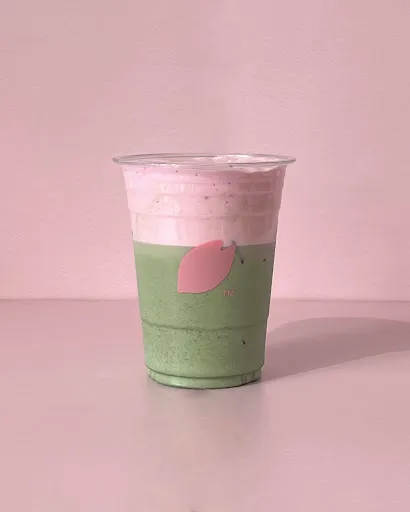
While you’re in the station area, SACYA inside Scramble Square makes an excellent pit stop. It’s a sleek matcha cafe using premium Kyoto-sourced tea, and it has a perfect 5.0 on Google, which for a cafe in a shopping mall is remarkable. The matcha latte is thick and bitter in the best way. Good place to recharge before heading to Shibuya Sky upstairs.

SACYA Matcha Cafe
12

SACYA Matcha Cafe

cafe Shibuya $$
5.0 Google Shibuya Scramble Square, Shibuya City, Tokyo
  • Perfect 5.0 Google rating
  • Premium matcha from Kyoto
  • Convenient location in Scramble Square near Shibuya Sky
Tip

Located inside Scramble Square. The matcha tiramisu and matcha latte are both excellent.

"A sleek matcha cafe inside Scramble Square serving high-quality Kyoto matcha in lattes, desserts, and traditional preparations."

Harajuku, Omotesando, and the Green Corridor

Walk north from Shibuya station for about 15 minutes (or take one stop on the Yamanote Line to Harajuku station) and the vibe shifts completely. Takeshita Street is the famous pedestrian lane packed with crepe shops, quirky fashion boutiques, and more sugar per square metre than anywhere else in Tokyo. It is loud, colourful, and relentlessly crowded on weekends. Whether you love it or find it exhausting depends entirely on your tolerance for sensory overload, but either way it’s worth walking through at least once.

Cat Street runs parallel to Takeshita but a block over, and it’s the cooler, calmer alternative. Vintage shops, independent coffee roasters, streetwear labels. This is where the Harajuku fashion scene actually lives now, away from the tourist-facing sugar rush of Takeshita.

Omotesando is the wide, tree-lined avenue that connects Harajuku to the Aoyama area, and it’s sometimes called Tokyo’s Champs-Elysees, though that comparison understates how much more architecturally interesting it is. The buildings themselves are the attraction: Tadao Ando’s concrete fortress for Omotesando Hills, the LVMH-backed glass towers, the ivy-covered Tokyu Plaza with its kaleidoscope entrance. Even if you’re not buying anything, the architecture alone makes it worth a slow walk.

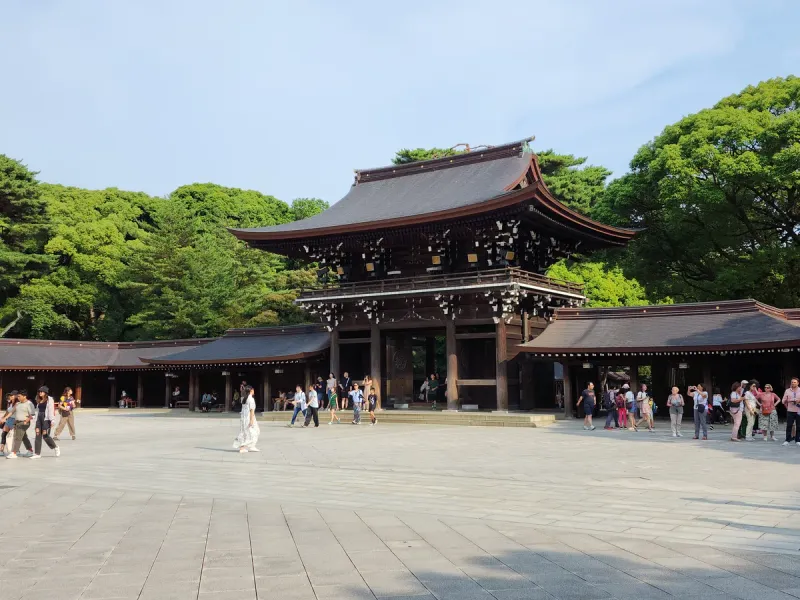
But the real highlight of this area sits behind all the commerce. Meiji Jingu is a Shinto shrine surrounded by 170 acres of dense, old-growth-style forest, and walking through it feels like stepping into a different century. The torii gate at the entrance is enormous, the gravel path winds through towering trees, and the noise of Harajuku fades within about two minutes. It’s free. It’s peaceful. And it’s the single best antidote to Tokyo sensory overload that exists anywhere in the city.

Meiji Jingu
4

Meiji Jingu

attraction Harajuku
4.6 Google 1-1 Yoyogikamizonocho, Shibuya City, Tokyo
  • Shinto shrine surrounded by 170-acre forest
  • Peaceful contrast to Shibuya's chaos
  • Traditional ceremonies and events throughout the year
Tip

Enter from the Harajuku side. The walk through the forest takes about 10 minutes. Free entry.

"Meiji Jingu is a serene Shinto shrine set within a vast forested park. The walk through towering trees feels worlds away from the surrounding city."

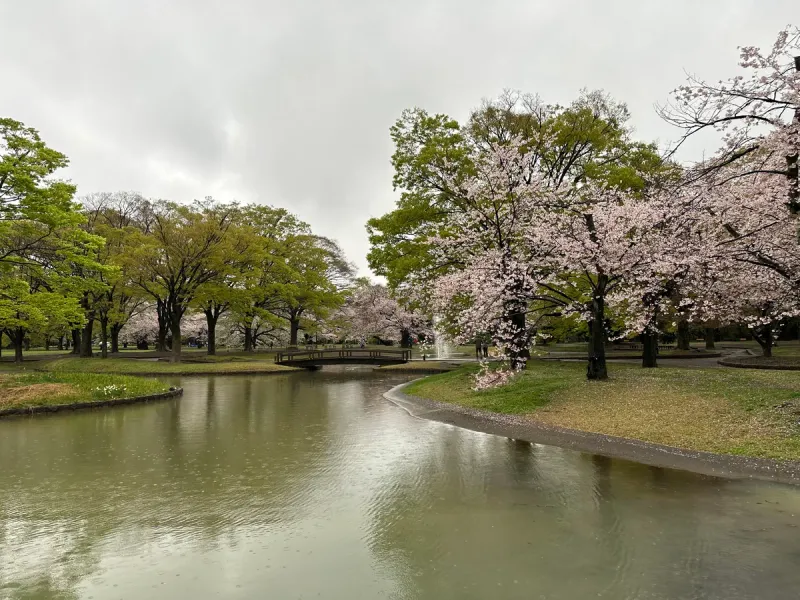
Right next door, Yoyogi Park is Tokyo’s great gathering space. On weekdays it’s joggers and dog walkers. On Sundays it transforms. The area near the Harajuku entrance fills with cosplayers, rockabilly dancers in full 1950s getups, street musicians, and performers of every description. Bring a conbini bento, sit on the grass, and watch the show. In late March and early April, the park is also one of Tokyo’s prime cherry blossom spots, and the hanami picnic scene here is wonderful.

Yoyogi Park
5

Yoyogi Park

attraction Harajuku
4.4 Google 2-1 Yoyogikamizonocho, Shibuya City, Tokyo
  • Weekend cosplay gatherings and street performances
  • Cherry blossom picnic spot in spring
  • Large green space perfect for people-watching
Tip

Visit on Sunday for cosplayers, rockabilly dancers, and street performers near the entrance.

"Yoyogi Park is a sprawling green space popular for picnics, jogging, and weekend gatherings. Sundays bring cosplayers, musicians, and dancers to the Harajuku entrance."

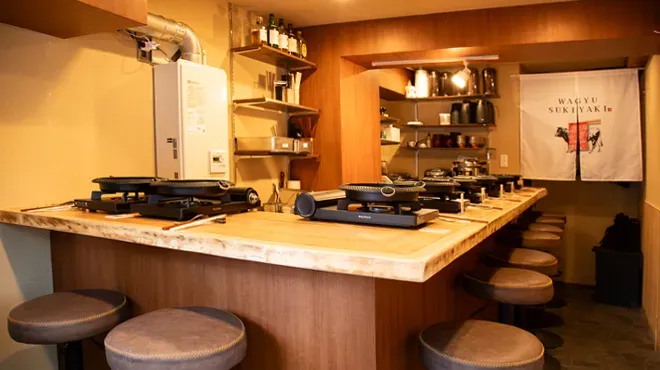
If you’re hungry after the shrine and park, Harajuku has WAGYU SUKIYAKI GOKU on a quiet side street. Thin slices of A5 wagyu swished through sweet soy broth and dipped in raw egg. The beef practically dissolves. The finale is truffle rice with a raw egg cracked on top, mixed into the remaining broth. It sounds unusual if you haven’t had sukiyaki before, but trust the process. This is one of the best mid-range wagyu meals in the area.

WAGYU SUKIYAKI GOKU
9

WAGYU SUKIYAKI GOKU

restaurant Harajuku $$$
4.9 Google 3-23-2 Jingumae, Shibuya, Tokyo
  • Exceptional A5 wagyu sukiyaki with melt-in-your-mouth beef
  • Intimate and cozy setting in Harajuku
  • Signature truffle rice with raw egg to finish
Tip

Make a reservation if possible. The raw egg and truffle rice finish is not to be missed.

"A cozy restaurant known for its exceptional A5 wagyu sukiyaki. The truffle rice with raw egg finish receives especially high acclaim."

Eating in Shibuya

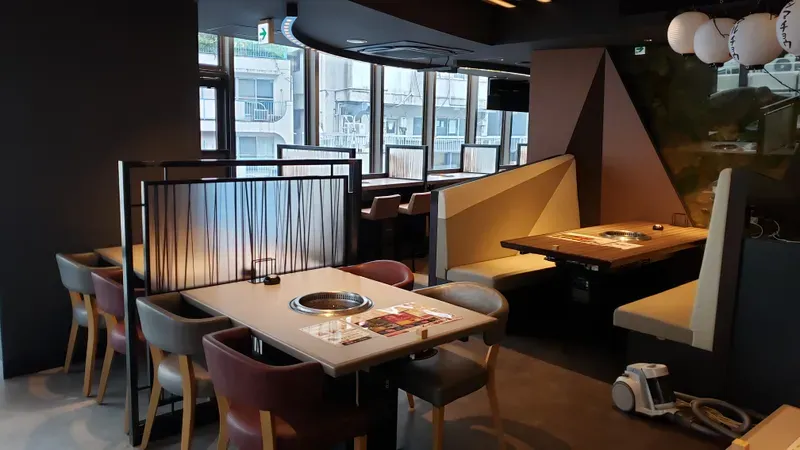
The area around Shibuya station proper is packed with restaurants, and while some of the chains are forgettable, the independent spots punch hard. BeBu-Ya is the place to go for all-you-can-eat wagyu yakiniku that doesn’t feel like a compromise. For ¥5,000, you get 90 minutes of A4 wagyu that you grill yourself, ordered through a QR code system that keeps the meat arriving faster than you can eat it. The space is compact. Don’t bring a suitcase. But the value is legitimately some of the best in Tokyo for yakiniku.

BeBu-Ya
6

BeBu-Ya

restaurant Shibuya $$
4.8 Google Shibuya, Tokyo
  • All-you-can-eat A4 wagyu yakiniku from ¥5,000
  • 90-minute sessions with QR code ordering
  • Multiple courses from ¥5,000 to ¥8,200
Tip

Book ahead, especially weekends. The A4 wagyu course at ¥5,000 is the sweet spot for value.

"Reviewers consistently praise BeBu-Ya for its exceptional all-you-can-eat Japanese BBQ with high quality wagyu beef at surprisingly affordable prices."

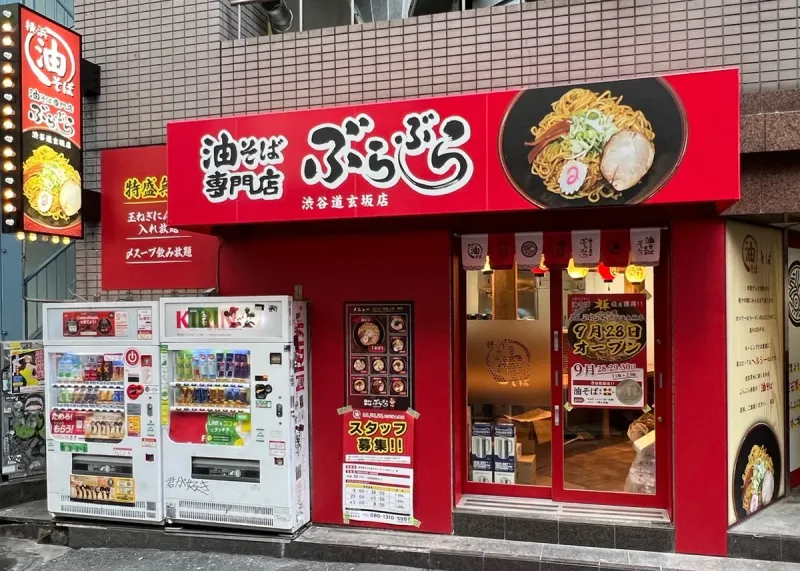
For something quicker, Bura Bura Abura Soba does the brothless ramen thing brilliantly. Abura soba is noodles tossed in a rich sauce with toppings, no soup. You mix everything together yourself, add vinegar and chili oil from the bottles on the counter, and eat. It’s filling, fast, cheap, and deeply satisfying in a way that makes you wonder why this style isn’t more popular outside Japan.

Bura Bura Abura Soba
8

Bura Bura Abura Soba

restaurant Shibuya $
4.7 Google Shibuya, Tokyo
  • Excellent abura soba (no-broth ramen)
  • Generous toppings and rich flavour without the soup
  • Quick, affordable, and filling
Tip

Mix everything thoroughly before eating. Add the chili oil and vinegar on the table for the full experience.

"A popular spot for abura soba, the brothless ramen style where noodles are tossed in a rich sauce with toppings. Great flavour and excellent value."

For more restaurant options across the city, including several in the Shibuya area, see our full best restaurants in Tokyo guide.

Drinking in Shibuya and Maruyama-cho

This is where the neighbourhood really comes alive after dark. Shibuya’s nightlife sprawls across several distinct pockets. Center Gai (the pedestrianised street heading northwest from the crossing) is loud, neon-lit, and full of izakaya, karaoke spots, and chain restaurants. It’s fun in a chaotic, anything-goes kind of way, especially on Friday and Saturday nights. Dogenzaka climbs the hill to the west and gets progressively more interesting as you move away from the main road. And then there’s Maruyama-cho, the network of small streets behind Dogenzaka that locals consider the actual centre of Shibuya nightlife.

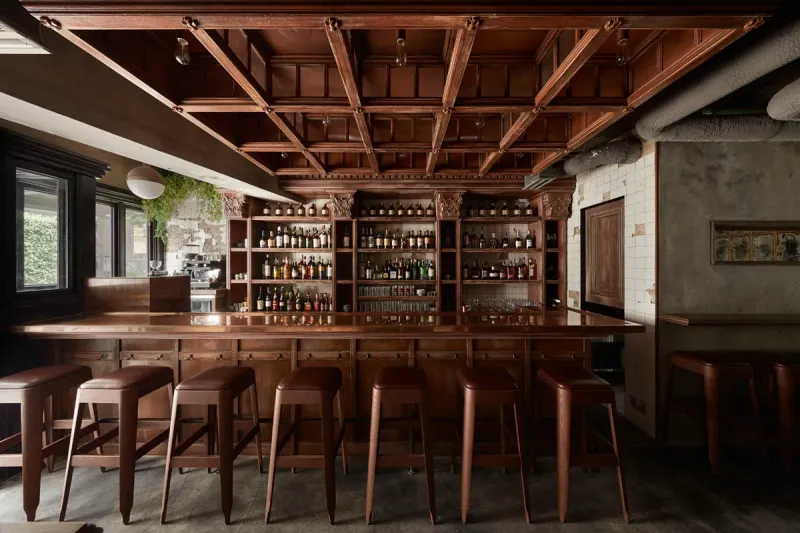
The SG Club sits at the quality end of the spectrum. Run by Shingo Gokan, one of Asia’s most celebrated bartenders, it’s actually two bars in one building. The ground floor (Guzzle) is casual, with highballs and snacks. The upstairs (Sip) is the speakeasy experience, with intricate cocktails served in a dimly lit room that feels like it was designed by someone who genuinely thinks about ice. The bar regularly appears on Asia’s 50 Best lists, and the drinks justify the reputation.

The SG Club
10

The SG Club

bar Shibuya $$$
4.5 Google 1F, 7-2 Jinnan, Shibuya City, Tokyo
  • Run by world-renowned bartender Shingo Gokan
  • Two distinct bars in one: casual downstairs, speakeasy upstairs
  • Consistently ranked among Asia's 50 Best Bars
Tip

Downstairs (Guzzle) is casual. Upstairs (Sip) is the speakeasy. Both are excellent.

"The SG Club is a celebrated cocktail bar with two floors offering different vibes. The speakeasy upstairs serves meticulously crafted cocktails."

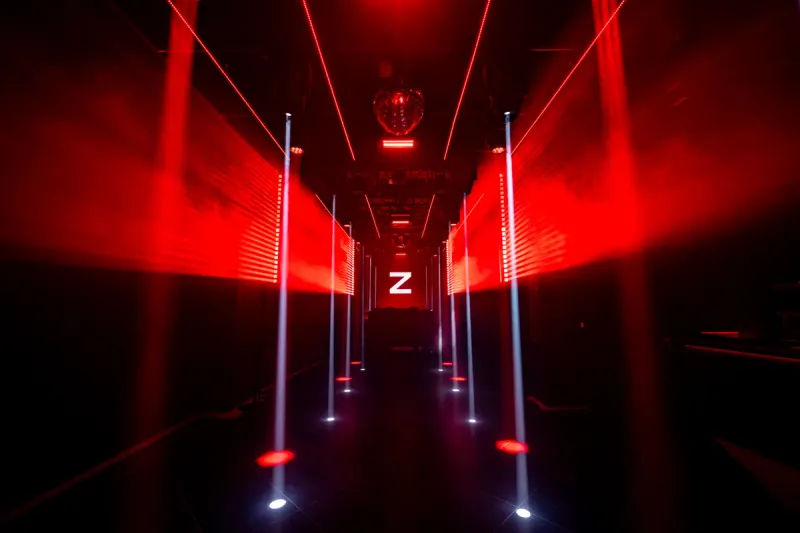
Deeper into Maruyama-cho, Z MARUYAMA is the kind of place you’d walk past three times without noticing. Small sign, second floor, easy to miss. Inside, the bartender makes original cocktails with the kind of quiet precision that Tokyo is famous for. It has a perfect 5.0 rating, which for a bar in one of Tokyo’s busiest nightlife districts says everything. This is where you go when you want excellent drinks without the scene.

Z MARUYAMA
13

Z MARUYAMA

bar Maruyama-cho
5.0 Google Maruyama-cho, Shibuya City, Tokyo
  • Perfect 5.0 Google rating
  • Locals-only find in Shibuya's Maruyama-cho nightlife district
  • Creative original cocktails
Tip

Look for the small sign on the second floor. The bartender's original creations are the way to go.

"A small, intimate bar in the backstreets of Maruyama-cho with exceptional cocktails and a welcoming atmosphere."

For more cocktail and bar recommendations, check out our best bars in Tokyo guide.

Ebisu: The Grown-Up Corner

Ebisu is one stop south of Shibuya on the Yamanote Line, though you can walk it in about 10 minutes. It has a distinctly different feel. Quieter streets, more restaurants per block, fewer teenagers, more people who look like they have opinions about natural wine. The area around Ebisu station is popular with locals for dinner dates and after-work drinks, and the food quality per square metre is arguably higher than central Shibuya.

AFURI’s Ebisu location is one of the original branches of the yuzu ramen chain that’s now expanded across Tokyo and internationally. The signature yuzu shio ramen has a light, citrus-forward broth that tastes like someone figured out how to make ramen refreshing. It’s a welcome change if you’ve been eating heavy tonkotsu all week. Expect a short queue at lunch, but it moves fast.

AFURI Ebisu
7

AFURI Ebisu

restaurant Ebisu $
4.2 Google 1-1-7 Ebisu, Shibuya City, Tokyo
  • Signature yuzu-infused ramen unlike anywhere else
  • Light, citrusy broth that's a refreshing change from heavy tonkotsu
  • Convenient location near Ebisu station
Tip

The yuzu shio (salt) ramen is the signature order. Expect a short queue at peak lunch hours.

"AFURI is famous for its yuzu shio ramen, a lighter, citrus-forward bowl that stands apart from traditional heavy broths."

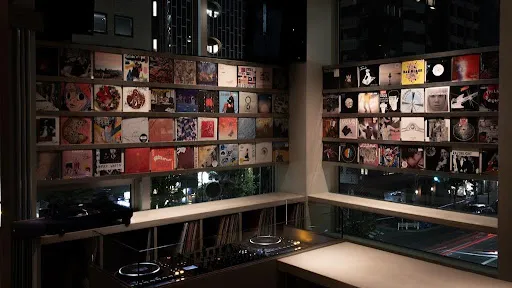
Spincoaster Music Bar is a different kind of Ebisu experience. It’s a bar where the music selection is treated with the same seriousness as the cocktails. Vinyl records, curated playlists, occasional DJ nights. The crowd is a mix of music industry people and locals who just want to drink somewhere with a good soundtrack. It’s the kind of place where you sit down for one drink and leave two hours later because a DJ started playing something you hadn’t heard since 2014.

Spincoaster Music Bar
14

Spincoaster Music Bar

bar Ebisu
4.9 Google Ebisu, Shibuya City, Tokyo
  • Curated music experience with vinyl and live DJs
  • Craft cocktails in a relaxed Ebisu setting
  • Favourite of music lovers and industry professionals
Tip

Check their schedule online for DJ nights. The vinyl collection is excellent.

"A music-focused bar in Ebisu where the soundtrack is as carefully curated as the drinks. Known for its vinyl collection and a crowd that genuinely cares about what's playing."

Nearby: teamLab Borderless

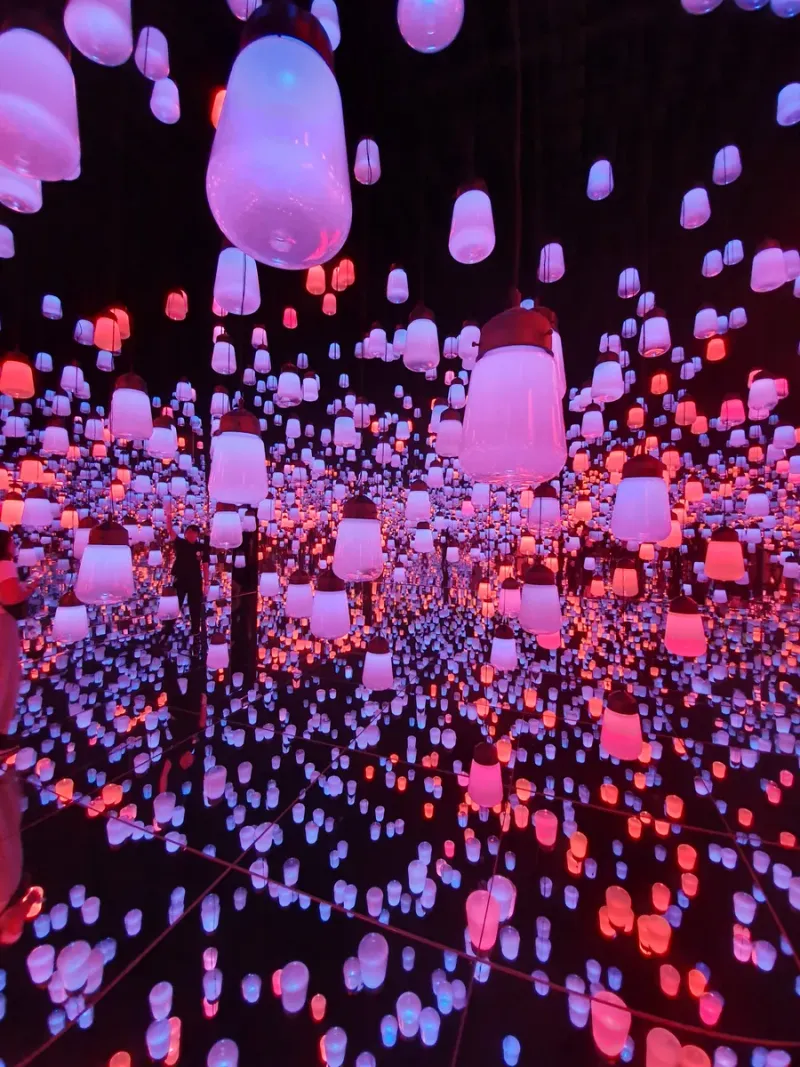
Technically not in Shibuya ward, but close enough to mention. teamLab Borderless relocated from Odaiba to Azabudai Hills in early 2024, and the new space is bigger, more ambitious, and significantly easier to reach. The concept is an immersive digital art museum with no fixed routes: projections flow between rooms, react to your movements, and change with the seasons. It’s one of those things that sounds gimmicky until you’re standing in a room where waterfalls of light cascade around you and flowers bloom across your reflection. Allow two to three hours. Wear light-coloured clothing for the best visual effect. And book tickets online well ahead of time because it sells out consistently.

teamLab Borderless
15

teamLab Borderless

attraction Azabudai Hills
4.6 Google Azabudai Hills Garden Plaza B, 1-2-4 Azabudai, Minato City, Tokyo
  • Immersive digital art museum with no fixed routes
  • Relocated to Azabudai Hills in 2024 with expanded exhibits
  • One of Tokyo's most popular attractions
Tip

Book online well in advance. Allow 2-3 hours. Wear comfortable shoes and light-coloured clothing for the best photo effects.

"teamLab Borderless is a groundbreaking immersive digital art experience where installations flow between rooms and react to visitors."

Planning Your Shibuya Day

A solid Shibuya day starts at Meiji Jingu in the morning when the grounds are quietest. Walk through Yoyogi Park, then hit Takeshita Street and Cat Street while the shops are opening. Lunch in Harajuku (GOKU for sukiyaki, or walk south toward Shibuya for Bura Bura’s abura soba). Spend the afternoon at Shibuya Sky for sunset views, then head to BeBu-Ya for yakiniku dinner. After dark, work your way through Maruyama-cho for cocktails at Z MARUYAMA or The SG Club.

If you have a second day, save Ebisu for a more relaxed pace: AFURI for ramen at lunch, wander the Ebisu Garden Place area, then Spincoaster for evening drinks. Add teamLab Borderless if you’re up for it, since Azabudai Hills is a short taxi ride from Ebisu.

For more ideas across the whole city, check our things to do in Tokyo guide, or browse the best restaurants in Tokyo if you want to plan your meals beyond the Shibuya area.

Planning your trip to Tokyo? Save these places to your itinerary with Tourli, the app that turns travel guides into actionable day plans.

Frequently Asked Questions

How much time should I spend in Shibuya?
A full day minimum, ideally two. The Shibuya station area, Scramble Crossing, and Shibuya Sky can fill a morning. Harajuku and Omotesando take an afternoon. Then you'll want an evening for Dogenzaka nightlife or a cocktail crawl through Maruyama-cho. If you add Ebisu and Yoyogi Park, that's easily a second day.
Is Shibuya safe at night?
Yes. Shibuya is very safe even late at night. The area around Center Gai and Dogenzaka gets rowdy on weekends with crowds of young people, but violent crime is extremely rare. The usual common-sense rules apply: watch your belongings in crowded bars and be wary of aggressive touts near Love Hotel Hill.
What is the best time to see Shibuya Crossing?
The crossing is busiest during evening rush hour, around 5-7 PM on weekdays, when up to 3,000 people cross at once. For photos, the Mag's Park rooftop and Starbucks on the second floor of the Tsutaya building both offer good elevated views. Shibuya Sky gives the most dramatic aerial perspective, especially around sunset.
Is Harajuku part of Shibuya?
Yes. Harajuku is a neighbourhood within Shibuya ward. It's one train stop north of Shibuya station on the JR Yamanote Line, but you can easily walk between the two areas in about 15 minutes via Cat Street. Omotesando, Meiji Jingu, and Yoyogi Park are all technically in Shibuya ward too.

More Tokyo Guides

3-Day Tokyo Itinerary (2026)

Itinerary

Three days, three pairs of neighbourhoods. This itinerary groups Tokyo by geography so you spend less time underground and more time eating, photographing, and getting properly lost.

14 places 3 days

5-Day Tokyo Itinerary (2026)

Itinerary

Five days, five neighbourhoods. This itinerary groups Tokyo by geography so you spend less time on trains and more time eating, exploring, and getting lost in the right way.

25 places 5 days

Things to Do in Asakusa, Tokyo (2026 Neighbourhood Guide)

Guide

Asakusa is Tokyo at its most traditional. While most of the city rebuilt itself into glass and steel after the war, this neighbourhood held onto its wooden shopfronts, its temple rituals, and its open-air drinking culture. Senso-ji has been standing here since the seventh century. Nakamise has been selling rice crackers and souvenirs since the Edo period. And Hoppy Street has been serving cheap beer alternatives to salarymen since the 1940s. It's the part of Tokyo that still feels like old Tokyo, and it's one of the few neighbourhoods where you can spend an entire day without running out of things to see, eat, and do.

13 places

Best Breakfast in Tokyo (2026) - From 6AM Sushi to Kissaten Toast

Vibe

Tokyo is one of the few cities where eating sushi at 6 AM is completely normal. Breakfast here spans everything from a three-piece sashimi set at a Tsukiji fish stall to a ¥500 kissaten morning set with toast so thick it could double as a pillow. This guide covers 11 ways to start your day, from the traditional to the trendy.

11 places

11 Best Brunch Spots in Tokyo (2026)

Vibe

Tokyo takes breakfast seriously, just not in the way you might expect. The city runs on kissaten morning sets, fluffy souffle pancakes that take 20 minutes to cook, and hotel buffets that could double as Michelin-level tasting menus. This guide covers all of it.

11 places

15 Best Cafes in Tokyo (2026)

Guide

Tokyo has over 550 cafes in our database alone, ranging from century-old kissaten to cafes where a capybara sits in your lap. These 15 cover matcha specialists, third-wave roasters, themed experiences, and traditional tea shops.

15 places

Save these places to your Tokyo trip

Tourli turns travel guides into actionable day plans. Save places, get walking directions, and share your itinerary — all in one app.