
Things to Do in Roppongi, Tokyo (2026 Neighbourhood Guide)
Roppongi used to be the neighbourhood your guidebook warned you about after midnight. It still has that side to it, the neon-lit strip of clubs and bars where the evening goes sideways in the best and worst ways. But modern Roppongi is also home to three world-class art museums within walking distance of each other, two of Tokyo's most ambitious mixed-use developments, a relocated teamLab Borderless that draws nearly two million visitors a year, and some genuinely excellent places to eat. This guide covers all of it, from the 53rd-floor observation deck to the gyoza shop on the back street.
Things to Do in Roppongi: A Neighbourhood Guide
Roppongi has a reputation problem, and it kind of earned it. For decades this was the neighbourhood where expats and tourists went to drink too much and make questionable decisions in basement clubs along the main strip. That version of Roppongi still exists if you want it. But the Roppongi of 2026 is also one of the most culturally dense neighbourhoods in Tokyo, home to three major art museums within a ten-minute walk of each other, two enormous mixed-use developments packed with excellent restaurants, an immersive digital art museum that welcomed nearly 1.7 million visitors last year, and Tokyo Tower glowing orange against the skyline a short stroll to the south.
The neighbourhood sits in Minato ward, roughly between Roppongi station (served by the Hibiya and Oedo lines) and Azabu-Juban to the south. In the last few years, the arrival of Azabudai Hills has stretched the area’s cultural gravity even further, pulling in Florilege (two Michelin stars, World’s 50 Best), teamLab Borderless, and a growing cluster of restaurants and galleries that have nothing to do with the old Roppongi nightlife story.
Here is how to spend your time across the whole neighbourhood, from the observation deck to the dance floor.
The Roppongi Art Triangle
If you only do one thing in Roppongi, make it the Art Triangle. This is a loose partnership between three museums, the Mori Art Museum, the National Art Center Tokyo, and the Suntory Museum of Art, and the concept is simple: keep your ticket stub from one, and you get discounted entry at the other two. All three are within about a fifteen-minute walk of each other, which makes a full-day museum crawl not just possible but genuinely easy.
Start at the Mori Art Museum, because it comes with a bonus. The museum sits on the 53rd floor of Roppongi Hills Mori Tower, and your entry ticket also gets you into Tokyo City View, the indoor observation deck on the same floor. The views stretch 360 degrees at about 250 metres up, and on a clear day you can pick out Mount Fuji, Tokyo Skytree, and the Rainbow Bridge over Odaiba. The Mori itself focuses on contemporary art with big, ambitious rotating exhibitions. The Roppongi Crossing series, a triennial show featuring Japanese artists exploring time and identity, is one of the highlights of the calendar. Time your visit for late afternoon so you can watch the city transition from daylight to neon from the observation deck while you’re up there.
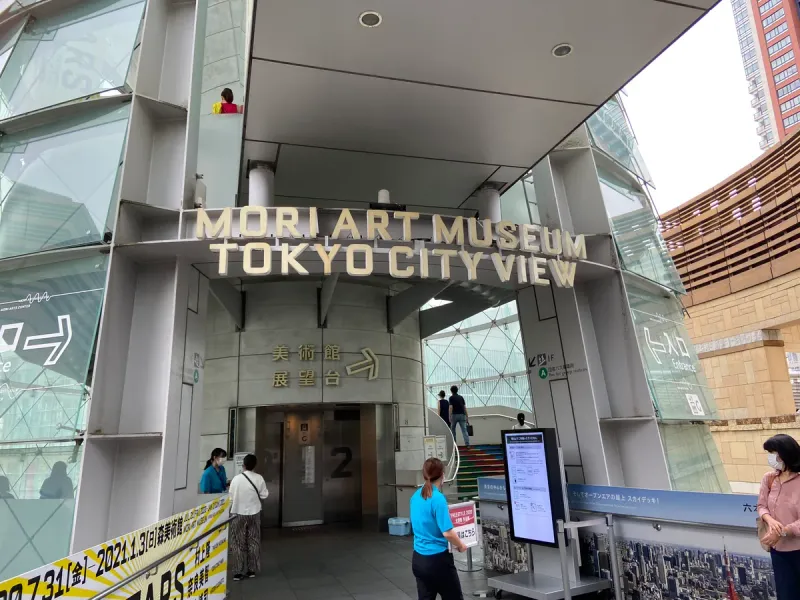
Mori Art Museum
- Contemporary art exhibitions on the 53rd floor
- Ticket includes Tokyo City View observation deck
- Part of the Roppongi Art Triangle discount program
Your ticket includes Tokyo City View observation deck. Go for sunset and stay for the exhibition.
"The Mori Art Museum hosts rotating contemporary art exhibitions high above the city. The combined ticket with Tokyo City View makes it one of the best value cultural experiences in Roppongi."
From there, walk about ten minutes southwest to the National Art Center Tokyo. This building alone is worth the trip. Designed by Kisho Kurokawa, the facade is a massive undulating wall of glass that catches the light differently at every hour. Inside, the centre has no permanent collection, which means the exhibitions are constantly changing and can range from blockbuster Impressionist shows to emerging Japanese photographers. Check what is on before you go, because the quality depends entirely on the current programme. Even on a quiet day, though, the building’s interior is stunning, with a huge atrium and a cafe perched on an inverted cone that feels like eating lunch inside a piece of sculpture.
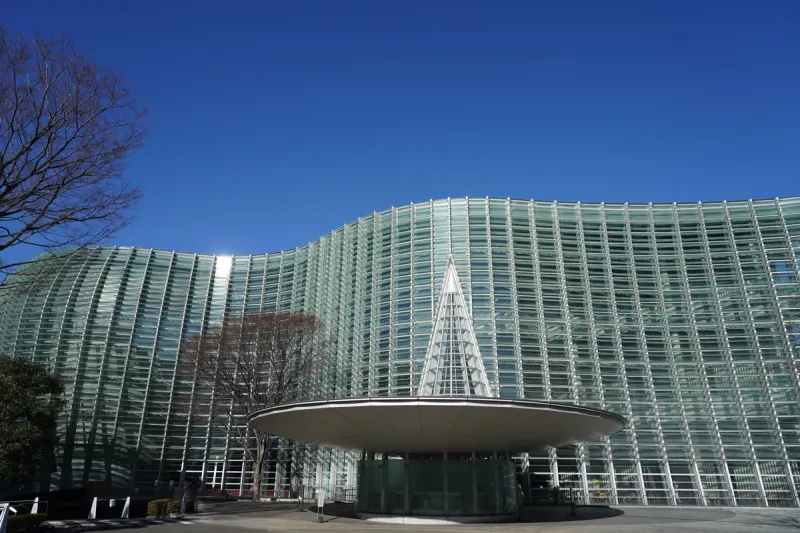
National Art Center Tokyo
- Japan's largest exhibition space with constantly rotating shows
- Stunning undulating glass facade by Kisho Kurokawa
- Excellent museum shop and cafe
No permanent collection, so check what's on before visiting. The building itself is worth seeing even from outside.
"The National Art Center is Japan's largest exhibition space with no permanent collection, hosting a rotating calendar of exhibitions. The building's wave-like glass facade is an architectural landmark."
The third point of the triangle is the Suntory Museum of Art inside Tokyo Midtown, and it offers a totally different register. Where the Mori and the National Art Center lean contemporary, the Suntory focuses on traditional Japanese art and craft: ceramics, lacquerware, textiles, glasswork. The exhibitions are quieter and more contemplative, which makes it a nice counterpoint if you’ve spent the morning with large-scale installations. The museum shop has some beautiful craft pieces worth browsing even if you don’t buy anything.
Suntory Museum of Art
- Traditional Japanese art and craft collection
- Part of the Roppongi Art Triangle discount program
- Located inside the Tokyo Midtown complex
The museum focuses on traditional Japanese art and craftsmanship. Check the current exhibition before visiting.
"The Suntory Museum of Art houses a fine collection of traditional Japanese art including ceramics, lacquerware, and textiles."
Tokyo Midtown and the Design Museum
While you are at the Suntory Museum, take some time to explore the rest of Tokyo Midtown. It is a massive mixed-use development that competes with Roppongi Hills for the neighbourhood’s attention, and it has a slightly different personality. Where Roppongi Hills is flashy and vertical, Midtown feels more spread out and green. The Midtown Garden is genuinely pleasant for a walk, particularly in cherry blossom season when the trees along the pathway light up. In winter, there is an outdoor ice skating rink that draws families and couples on date nights.
Tokyo Midtown
- Major lifestyle complex with premium shopping and dining
- Beautiful garden and seasonal installations
- Home to the Suntory Museum of Art and 21_21 DESIGN SIGHT
The Midtown Garden is lovely for a stroll. In winter there's an ice skating rink.
"Tokyo Midtown is an upscale mixed-use development featuring shops, restaurants, and cultural venues. The garden and seasonal events give it a different character from neighbouring Roppongi Hills."
Just outside Midtown in the garden you will find 21_21 DESIGN SIGHT, a small but exceptional design museum co-founded by fashion designer Issey Miyake. The building itself, designed by Tadao Ando, is half underground, with a low triangular roof that looks like a sheet of folded steel. The exhibitions rotate and tend to explore design in the broadest sense: how we relate to objects, how everyday things are made, how technology changes craft. It is not a large museum and you can get through it in an hour, but the shows are consistently thoughtful and the kind of thing that changes how you look at the world for a few days afterward.
21_21 DESIGN SIGHT
- Design museum co-founded by Issey Miyake
- Tadao Ando-designed building that's an exhibit itself
- Thought-provoking exhibitions on design and daily life
The building by Tadao Ando is half underground. Exhibitions are design-focused and highly interactive.
"21_21 DESIGN SIGHT is a unique design-focused museum in the Tokyo Midtown garden. Its exhibitions explore the intersection of design, art, and everyday life."
Roppongi Hills and the Views
Roppongi Hills is the development that kickstarted the neighbourhood’s transformation when it opened in 2003. The 54-storey Mori Tower is its centrepiece (and where you will find the Mori Art Museum and Tokyo City View), but the complex sprawls across several blocks with shops, restaurants, a cinema, a Japanese garden, and that famous winter illumination along Keyakizaka Street. The Mori Garden behind the tower is genuinely surprising. It is a small traditional Japanese garden with a pond and walking paths, tucked in between skyscrapers, and most tourists walk right past it. On a warm afternoon it is one of the most peaceful spots in the whole neighbourhood.
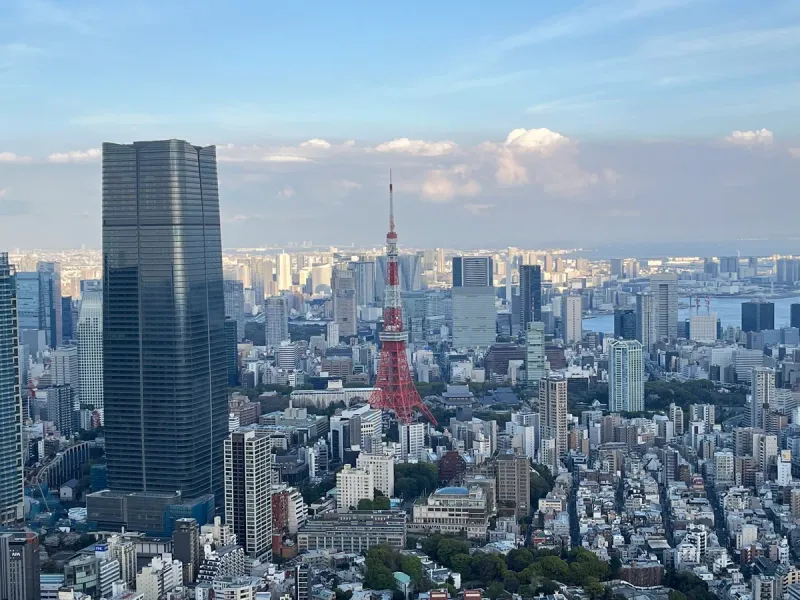
Roppongi Hills
- Massive mixed-use complex with shops, restaurants, and art
- Mori Garden offers a peaceful Japanese garden escape
- Keyakizaka winter illumination is a seasonal highlight
The Keyakizaka Illumination in winter is spectacular. The Mori Garden behind the tower is easy to miss but worth finding.
"Roppongi Hills is a sprawling lifestyle complex anchored by the Mori Tower. Beyond the shops and restaurants, the Japanese garden and seasonal events make it a destination in its own right."
Azabudai Hills and teamLab Borderless
Azabudai Hills is the newest addition to the Roppongi area, having opened in late 2023 just a short walk southeast of the main Roppongi strip. It is an enormous development anchored by Japan’s tallest building, and it has quickly become one of the most interesting spots in Minato ward. The complex has a focus on art, wellness, and food, with galleries and green spaces woven throughout the public areas. But the headliner, the thing drawing the massive queues, is teamLab Borderless.
teamLab Borderless relocated here from Odaiba in early 2024 and the new space is significantly larger and more refined. The concept remains the same: an immersive digital art museum with no fixed routes, where projections flow between rooms, react to your movements, and merge with other artworks in ways that are different every time you visit. The Azabudai Hills location has over 75 artworks, including several pieces created specifically for this space. It won the 2025 Global Tourism Innovation Award, and it drew nearly 1.7 million visitors in its first full year. Book tickets online well in advance because it sells out consistently, and allow at least two hours. Wear light-coloured clothing; the projections show up better and your photos will look incredible.
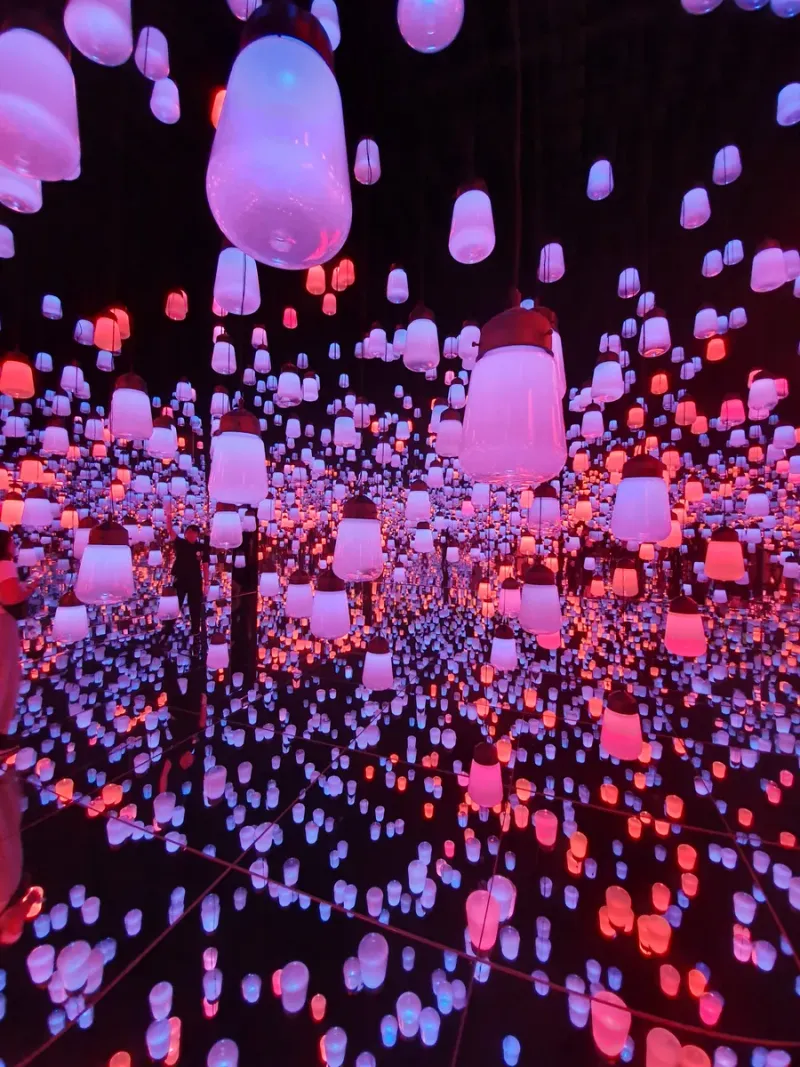
teamLab Borderless
- Immersive digital art museum with no fixed routes
- Relocated to Azabudai Hills in 2024 with over 75 artworks
- Winner of 2025 Global Tourism Innovation Award
Book online well in advance. Allow 2-3 hours. Wear light-coloured clothing for the best photo effects.
"teamLab Borderless is a groundbreaking immersive digital art experience where installations flow between rooms and react to visitors. The Azabudai Hills location is larger and more ambitious than the original Odaiba space."
Azabudai Hills is also home to Florilege, Chef Hiroyasu Kawate’s two-Michelin-starred restaurant that relocated here in 2023. The cuisine is French-Japanese with a strong emphasis on vegetables and sustainability (the Green Michelin Star confirms it). The dinner course changes seasonally, and the current direction leans into plant-forward dishes in a way that feels inventive rather than restrictive. It is ranked #36 on the World’s 50 Best Restaurants list. Book at least a month ahead, because this is one of the hardest reservations in Tokyo.
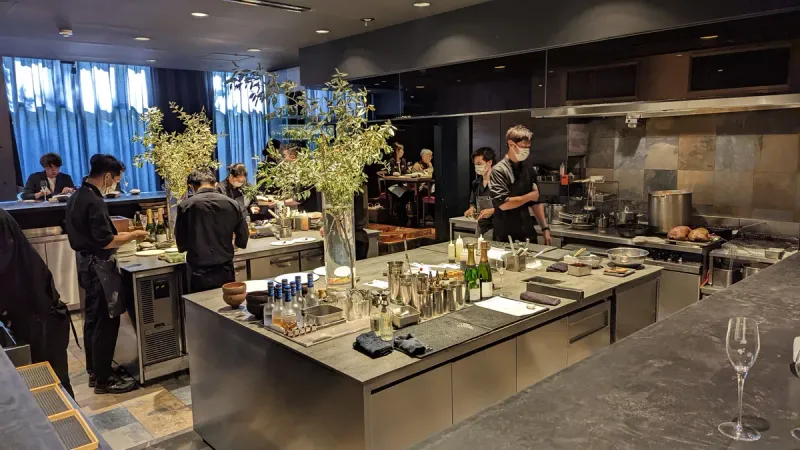
Florilege
- Two Michelin stars and a Green Star for sustainability
- Ranked #36 in World's 50 Best Restaurants 2025
- Chef Kawate's vegetable-forward French-Japanese cuisine
Book at least a month ahead. The dinner course changes seasonally and leans heavily on vegetables.
"Florilege is a two Michelin star restaurant known for its innovative French-Japanese cuisine with a focus on plant-based dishes."
Eating in Roppongi
You could eat spectacularly in Roppongi without ever leaving the major developments. But the neighbourhood’s smaller spots deserve attention too. Sukiyabashi Jiro Roppongi, inside Roppongi Hills, is the more accessible sibling of the legendary Ginza original made famous by the “Jiro Dreams of Sushi” documentary. Run by Jiro’s eldest son Takashi Ono, the Roppongi branch has held two Michelin stars for fourteen consecutive years. The sushi is Edo-style, meaning the rice is slightly warmer and more seasoned than at many other omakase counters. The akami (lean tuna) and the tamagoyaki (egg) are the pieces that regulars talk about. The 7:30 PM seating tends to be more relaxed than the earlier slot.
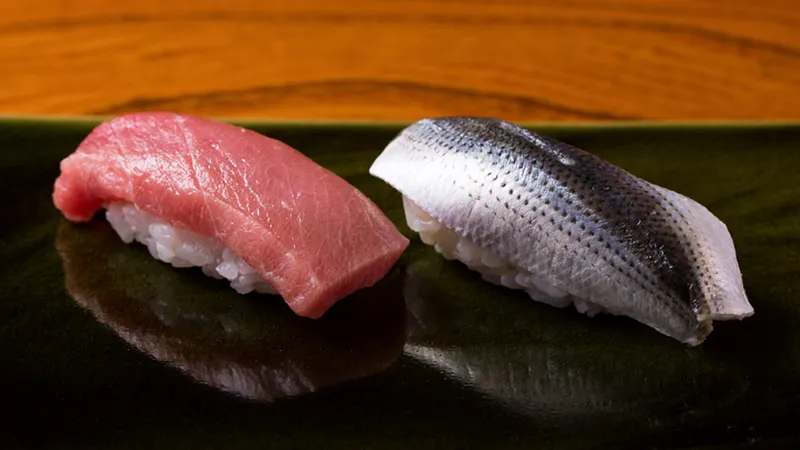
Sukiyabashi Jiro Roppongi Hills
- Edo-style sushi from the Jiro dynasty
- Two Michelin stars for 14 consecutive years
- More accessible than the original Ginza location
The 7:30 PM seating is more relaxed than 5:30 PM. Book well ahead through your hotel concierge.
"Run by Jiro's son Takashi Ono, the Roppongi branch offers a more relaxed experience than the famous Ginza original. Reviews highlight the akami and tamagoyaki as standouts."
For something completely different in price and vibe, GYOPAO is a lively gyoza shop on one of Roppongi’s back streets. The pan-fried dumplings are crispy and satisfying, the beer is cold, and it stays open late enough to catch you after an exhibition or a night out. It is the kind of place where you sit at a counter, order way too many gyoza, and wonder why dumplings this simple taste this good. This is not destination dining, it is the meal you did not know you needed.
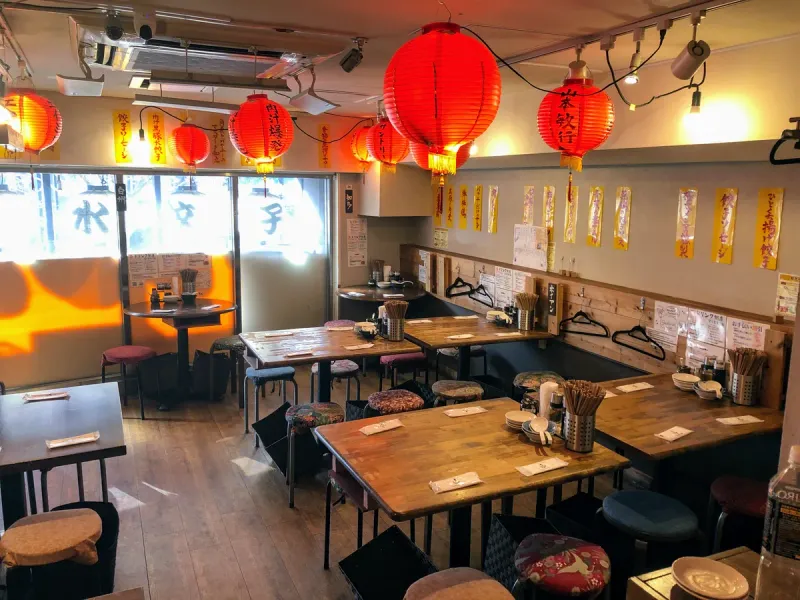
GYOPAO Gyoza
- Excellent pan-fried gyoza at casual prices
- Lively atmosphere popular with locals and visitors
- Open late, perfect for post-museum or post-club hunger
The pan-fried gyoza are the star. Pair them with a Sapporo draft.
"GYOPAO is a lively gyoza spot in Roppongi known for its crispy pan-fried dumplings and relaxed, energetic atmosphere."
For more restaurant recommendations across the city, including other Roppongi spots, see our full guide to the best restaurants in Tokyo.
Tokyo Tower
You can see Tokyo Tower from half the observation decks in the city, but there is something to be said for going to the thing itself. The 333-metre-tall tower, completed in 1958 and deliberately designed to be taller than the Eiffel Tower, is one of Tokyo’s most enduring landmarks. The main deck at 150 metres is included in basic admission and gives excellent views south toward Odaiba and Tokyo Bay. The top deck at 250 metres costs extra and is worth it on a clear day.
Honestly, though, the best way to experience Tokyo Tower is from the outside at night. Walk the streets around Shibakoen and Azabu-Juban after dark and the tower glows orange against the sky, shifting between seasonal lighting schemes. It photographs beautifully from the Roppongi Hills area, and the view of the tower framed by the Keyakizaka street trees is one of those Tokyo images that people keep coming back to.
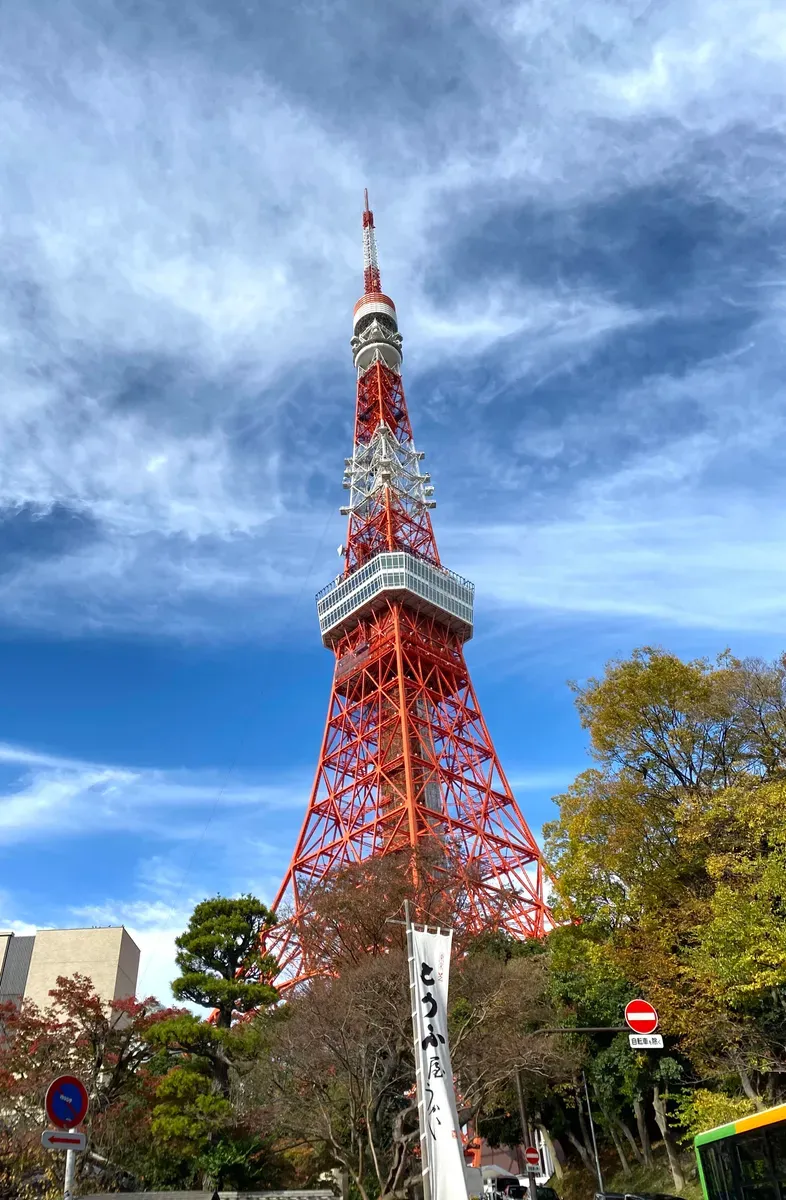
Tokyo Tower
- Iconic 1958 Tokyo landmark inspired by the Eiffel Tower
- Two observation decks at 150m and 250m
- Especially photogenic lit up at night from the surrounding streets
The main deck at 150m is included in basic admission. The top deck at 250m costs extra but is worth it on clear days.
"Tokyo Tower remains one of the city's most recognizable landmarks. The observation decks offer panoramic views, and the tower is especially beautiful when lit up at night."
Roppongi After Dark
Roppongi’s nightlife reputation was built in the 1980s and 1990s, when the neighbourhood was the centre of Tokyo’s international party scene. That energy has not disappeared. The main strip along Roppongi-dori between the station and the crossing is still lined with bars, clubs, and the occasional tout trying to redirect you somewhere you did not intend to go. The trick is knowing where to go and where to avoid.
V2 Tokyo, open since 2013, is one of the area’s most established clubs, known for a serious sound system and light shows that draw both locals and visitors. ALIFE Nishiazabu, rebranded and relaunched with three floors including what is described as Roppongi’s largest dance floor, offers an all-you-can-drink plan from 9 to 11 PM for around 2,000 yen, which is a smart way to start the night without destroying your budget.
For something more refined, Roppongi also has access to some of the city’s best cocktail bars. Check our guide to Tokyo’s best cocktail bars for the full rundown, but the area around Nishi-Azabu in particular has a concentration of small, serious bars that have nothing in common with the main strip except a postcode.
Planning Your Roppongi Day
A full day in Roppongi works best when you structure it around the museums. Start at Tokyo Midtown in the morning: 21_21 DESIGN SIGHT first, then the Suntory Museum of Art. Walk south to the National Art Center for lunch at its striking cafe. In the afternoon, head to Roppongi Hills for the Mori Art Museum and catch sunset from Tokyo City View on the 53rd floor. If you still have energy, Azabudai Hills is a fifteen-minute walk for teamLab Borderless (book evening tickets in advance).
For dinner, you have the full spectrum. Sukiyabashi Jiro or Florilege if you planned ahead and secured a reservation. GYOPAO for gyoza if you did not. And if you want to keep going past midnight, the clubs on the main strip will still be warming up when most of the rest of Tokyo has gone to sleep.
For more things to see and do across Tokyo, check our best museums guide for city-wide museum picks, or the best restaurants in Tokyo if you want to plan your meals beyond the Roppongi area.
Frequently Asked Questions
Is Roppongi safe at night?
How much time should I spend in Roppongi?
What is the Roppongi Art Triangle?
Is Roppongi only for nightlife?
More Tokyo Guides
3-Day Tokyo Itinerary (2026)
ItineraryThree days, three pairs of neighbourhoods. This itinerary groups Tokyo by geography so you spend less time underground and more time eating, photographing, and getting properly lost.
5-Day Tokyo Itinerary (2026)
ItineraryFive days, five neighbourhoods. This itinerary groups Tokyo by geography so you spend less time on trains and more time eating, exploring, and getting lost in the right way.
Things to Do in Asakusa, Tokyo (2026 Neighbourhood Guide)
GuideAsakusa is Tokyo at its most traditional. While most of the city rebuilt itself into glass and steel after the war, this neighbourhood held onto its wooden shopfronts, its temple rituals, and its open-air drinking culture. Senso-ji has been standing here since the seventh century. Nakamise has been selling rice crackers and souvenirs since the Edo period. And Hoppy Street has been serving cheap beer alternatives to salarymen since the 1940s. It's the part of Tokyo that still feels like old Tokyo, and it's one of the few neighbourhoods where you can spend an entire day without running out of things to see, eat, and do.
Best Breakfast in Tokyo (2026) - From 6AM Sushi to Kissaten Toast
VibeTokyo is one of the few cities where eating sushi at 6 AM is completely normal. Breakfast here spans everything from a three-piece sashimi set at a Tsukiji fish stall to a ¥500 kissaten morning set with toast so thick it could double as a pillow. This guide covers 11 ways to start your day, from the traditional to the trendy.
11 Best Brunch Spots in Tokyo (2026)
VibeTokyo takes breakfast seriously, just not in the way you might expect. The city runs on kissaten morning sets, fluffy souffle pancakes that take 20 minutes to cook, and hotel buffets that could double as Michelin-level tasting menus. This guide covers all of it.
15 Best Cafes in Tokyo (2026)
GuideTokyo has over 550 cafes in our database alone, ranging from century-old kissaten to cafes where a capybara sits in your lap. These 15 cover matcha specialists, third-wave roasters, themed experiences, and traditional tea shops.
Save these places to your Tokyo trip
Tourli turns travel guides into actionable day plans. Save places, get walking directions, and share your itinerary — all in one app.