12 Best Things to Do in Tokyo on a Rainy Day (2026)
Tokyo is one of those cities where rain barely slows you down. Between immersive digital art museums, multi-story arcades, themed cafes, underground shopping labyrinths, and some of the best food halls on the planet, a wet day in Tokyo can be just as packed as a sunny one.
Things to Do in Tokyo on a Rainy Day
Here’s the thing about rain in Tokyo: it barely matters. This is a city that was essentially designed for bad weather. The train stations are connected to underground shopping malls that stretch for blocks. Department stores have basement food halls that could keep you eating for a week. And some of Tokyo’s very best attractions, from immersive digital art museums to multi-story arcades to natural hot spring baths, are entirely indoors. A rainy day in Tokyo isn’t a day lost. It’s a day redirected.
Tokyo gets serious rain, too. The tsuyu rainy season runs from early June through mid-July, dumping steady drizzle across the city for weeks. Typhoon season in September and October brings heavier downpours. And even in the “dry” months, afternoon showers pop up out of nowhere. The good news is that locals barely break stride. Convenience stores sell transparent umbrellas for about ¥500, train stations have covered walkways, and the city’s indoor offerings are so deep that you could spend a solid week without stepping outside and still not run out of things to do.
This guide covers the best of those indoor options, from world-class art to deeply silly themed cafes, with a few activities that are actually better in the rain.

1. teamLab Borderless
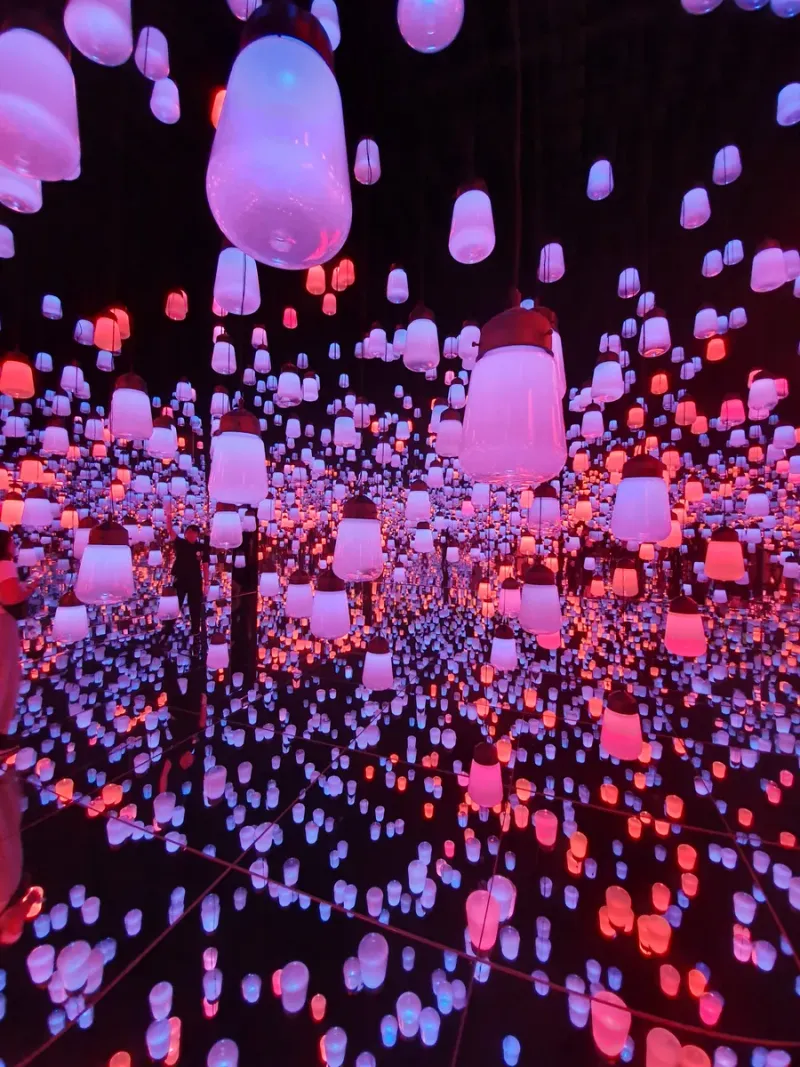
teamLab Borderless reopened in early 2024 at its new home in Azabudai Hills, and the new space is even more disorienting and beautiful than the original Odaiba location. The concept is simple: digital artworks that have no borders, flowing from room to room, responding to your presence, merging and separating on their own schedule. In practice, it means you’ll spend two hours wandering through a dark, maze-like museum where waterfalls cascade across walls, flowers bloom and wither at your feet, and entire rooms transform when you step into them. There’s no set route, which is the point. You’re supposed to get lost. On a rainy day, the darkness and immersion feel even more appropriate. The universe outside is wet and grey; the universe inside is infinite and glowing. Book tickets online at least a week ahead because walk-ups rarely work.

teamLab Borderless
- World-famous immersive digital art museum
- Relocated to Azabudai Hills in 2024 with new installations
- Rooms of art that flow and merge into each other
Book online at least a week ahead. Weekday mornings have the shortest queues. Wear dark clothing for better immersion.
"teamLab Borderless is a sprawling, immersive digital art experience where artworks move between rooms and respond to visitors."
2. teamLab Planets
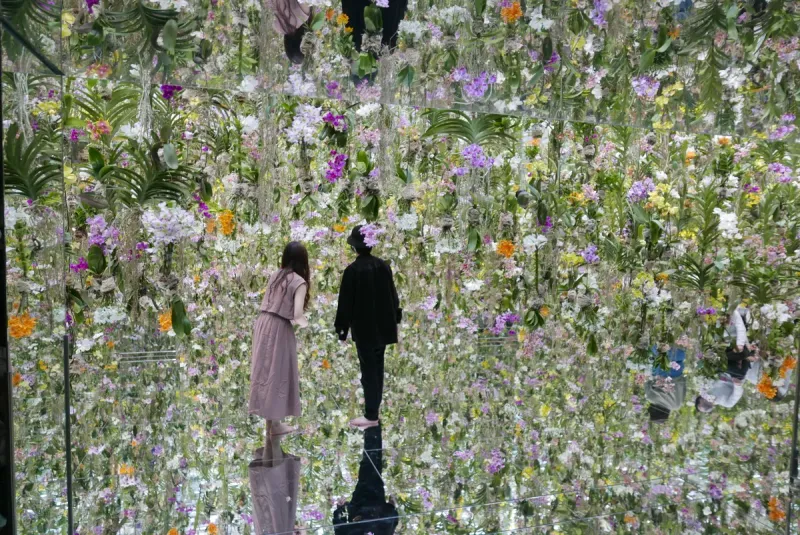
If Borderless is a museum you wander through with your eyes, Planets is one you experience with your entire body. The Toyosu location is built around the idea of “body immersive” art, which means you take off your shoes at the entrance and then wade barefoot through knee-deep water, walk across soft surfaces that shift under your weight, and stand in rooms where the floor and ceiling are both mirrors and you lose all sense of where you end and the art begins. The whole experience takes about 60 to 90 minutes, which makes it easy to pair with something else on this list. It’s a different vibe than Borderless: more physical, more focused, and honestly a little more emotional. Wading through warm water while digital koi swim around your ankles is the kind of thing that sounds silly until you’re doing it and realize you haven’t thought about the rain outside in an hour.

teamLab Planets
- Walk barefoot through immersive water and light installations
- More physical and tactile than Borderless
- Shorter visit time makes it easy to pair with other activities
Wear shorts or clothes you can roll up. You wade through water barefoot. Bring a small towel.
"teamLab Planets is a body-immersive museum in Toyosu where visitors walk barefoot through water, mirrors, and light installations."
3. Mori Art Museum and Tokyo City View
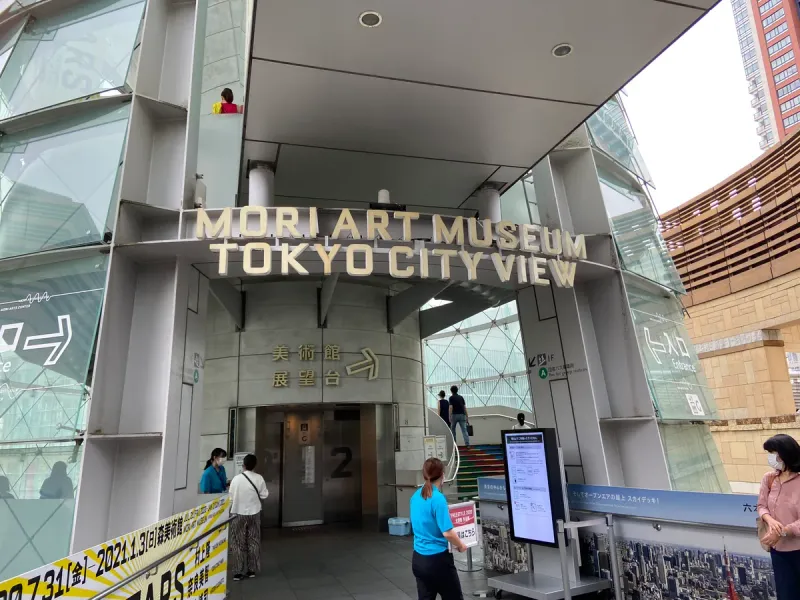
The Mori Art Museum sits on the 53rd floor of the Roppongi Hills Mori Tower, which already makes it one of the more dramatic museum settings in the world. The exhibitions rotate every few months and lean toward contemporary and international art, so there’s almost always something new. But the real rainy-day bonus is the combined ticket with Tokyo City View, the observation deck that wraps around the same floor. Watching rain sweep across the Tokyo skyline from 250 metres up is genuinely mesmerising. The museum stays open until 10 PM on most nights, which means you can turn a rainy afternoon into an art-and-sunset-and-city-lights triple bill. If you’re in Roppongi already, the National Art Center is a ten-minute walk away, making it easy to do both.

Mori Art Museum
- Contemporary art exhibitions on the 53rd floor
- Combined ticket with Tokyo City View observation deck
- Open until 10 PM on most nights
Your ticket includes the Sky Deck observation deck. Go near closing time for sunset views if the rain clears.
"The Mori Art Museum sits atop Roppongi Hills with rotating contemporary art exhibitions and panoramic city views."
4. The National Art Center, Tokyo
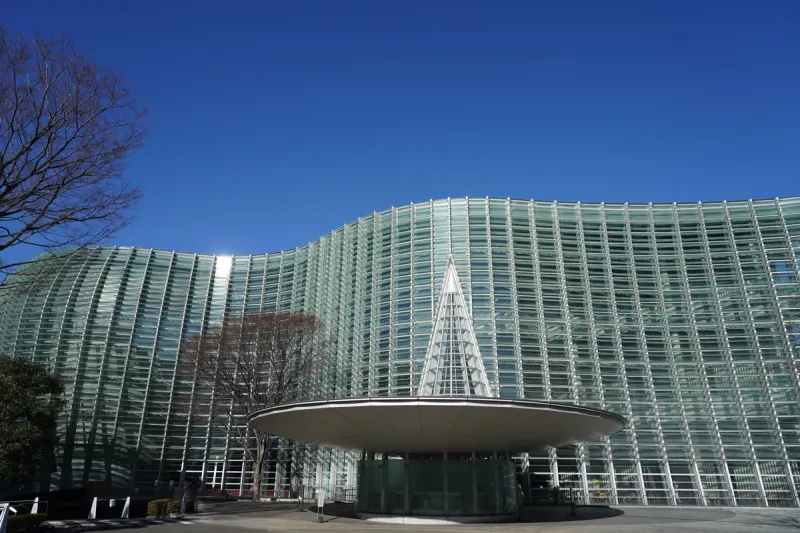
Even if you don’t care about art, the National Art Center is worth visiting just to stand inside the building. Designed by Kisho Kurokawa, the entire front facade is a massive undulating wave of glass that looks particularly striking when rain is streaking down it. It’s Japan’s largest exhibition space and has no permanent collection, which means it hosts a rotating lineup of shows from Japanese and international artists. The interior is cavernous and airy, with an inverted cone that rises from the ground floor and houses a Paul Bocuse restaurant at the top. On a rainy day, you can easily spend a couple of hours browsing exhibitions and then sit in the cafe watching the rain run down that iconic glass wall. Pair it with the Mori Art Museum for a proper museum day in Roppongi.

The National Art Center, Tokyo
- Stunning undulating glass facade by Kisho Kurokawa
- Japan's largest exhibition space with rotating shows
- Excellent on-site cafe and restaurant by Brasserie Paul Bocuse
The building itself is worth seeing. Check what exhibitions are on before visiting, as it has no permanent collection.
"The National Art Center is an architectural landmark with a wavy glass exterior and massive exhibition halls."
5. Ghibli Museum
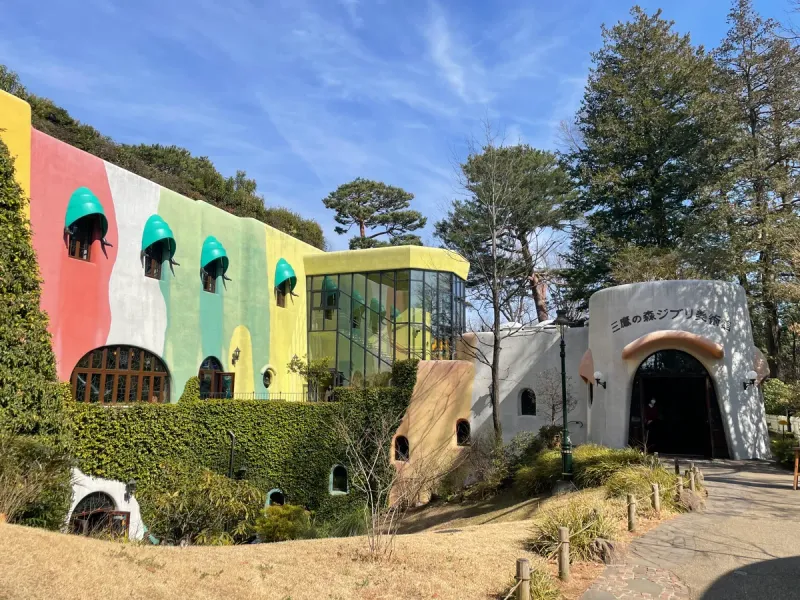
The Ghibli Museum in Mitaka is one of those places that feels like it was designed for a rainy afternoon. Everything about it is cosy and whimsical, from the hand-painted murals lining the stairwells to the stained glass windows that filter coloured light into the corridors. Hayao Miyazaki designed the museum himself, and it shows. There are no audio guides or rigid routes. You wander at your own pace through rooms filled with animation cels, zoetropes, and a recreation of an animator’s studio buried under papers and coffee cups. The small theatre screens exclusive short films you can’t see anywhere else, and the rooftop garden has a life-size Robot Soldier from Laputa standing guard among the greenery. The one catch is that tickets must be purchased well in advance through Lawson or the official website, and they sell out weeks ahead during busy periods. No photos inside, which honestly makes the whole thing feel more special.

Ghibli Museum
- Whimsical museum designed by Hayao Miyazaki himself
- Exclusive short films shown only here
- Rooftop garden with a life-size Robot Soldier from Laputa
Tickets must be purchased in advance through Lawson or the official site. They sell out weeks ahead. No photos inside.
"The Ghibli Museum in Mitaka is a lovingly designed tribute to Studio Ghibli's films, with hand-painted murals, a Cat Bus room, and exclusive short films."
6. Warner Bros. Studio Tour Tokyo
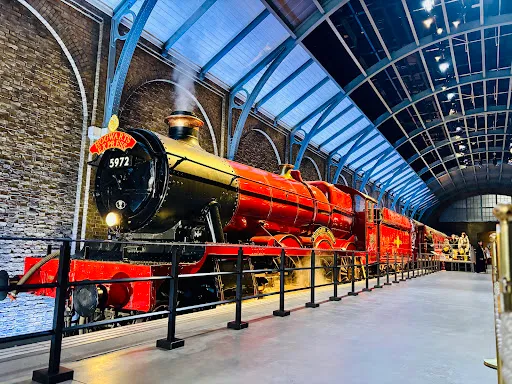
If you have even a passing fondness for Harry Potter, this place will eat your entire afternoon and you won’t mind one bit. The Warner Bros. Studio Tour Tokyo opened in 2023 on the former site of Toshimaen amusement park, and it’s the largest Harry Potter studio tour in the world. You walk through actual sets from the films: the Great Hall, Diagon Alley, Dumbledore’s office, the Forbidden Forest. The level of detail is absurd. You can try interactive wand experiences, ride a broomstick against a green screen, and drink butterbeer in a recreation of the Three Broomsticks. The whole thing takes three to four hours at a comfortable pace, which makes it a perfect way to burn a rainy afternoon. It’s about 30 minutes from Shinjuku by train. Book tickets online well ahead because it sells out, especially on weekends and holidays.

Warner Bros. Studio Tour Tokyo
- Walk through actual sets from the Harry Potter films
- Asia's only Warner Bros. Studio Tour
- Interactive wand experiences and butterbeer
Book online well ahead. Allow 3-4 hours minimum. The butterbeer is worth the queue.
"The Warner Bros. Studio Tour Tokyo is the largest Harry Potter studio tour in the world, with meticulously recreated sets including Diagon Alley and the Great Hall."
7. Owl Cafe Akihabara
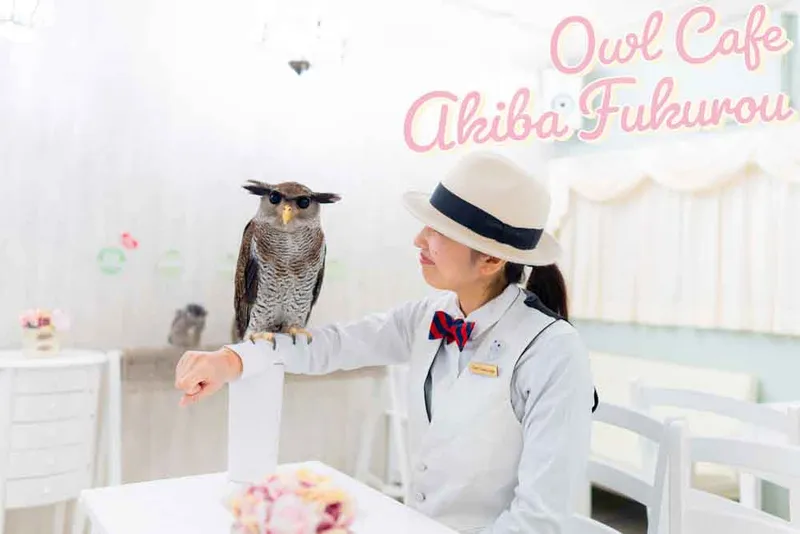
Tokyo’s themed cafes are a genre unto themselves, and the owl cafes are among the more surreal options. This one in Akihabara lets you sit in a calm, dimly lit room surrounded by owls of various species perched on wooden stumps. Staff walk you through how to approach and handle the birds, and you can hold them on your arm, stroke their feathers, and take photos. Sessions are timed, usually around 60 minutes, which is enough to cycle through several owls and have a genuinely weird, memorable experience. Is it a little odd? Yes. Is it the kind of thing you’d only do on a rainy day in Tokyo? Probably. Will you talk about it for weeks afterwards? Almost certainly. The cafe is small, so booking online is smart, especially on weekends.

Owl Cafe Akihabara
- Interact with owls in a calm, cozy setting
- Staff guide you on how to handle and photograph the birds
- A uniquely Tokyo experience you won't find at home
Sessions are timed (usually 60 minutes). Book online to guarantee a spot on weekends.
"A popular animal cafe in Akihabara where visitors can hold, pet, and photograph owls of various species."
8. Small Worlds Tokyo
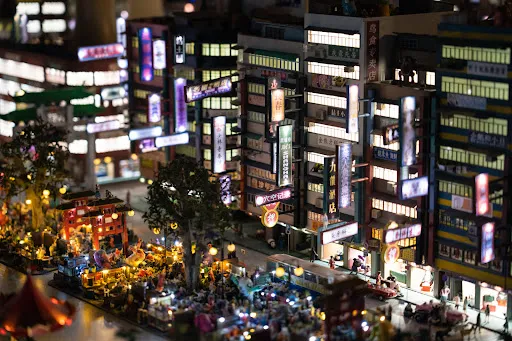
Small Worlds is the kind of attraction that sounds niche until you’re standing in front of a miniature recreation of a space shuttle launch and realize you’ve been staring at it for fifteen minutes. It’s the world’s largest indoor miniature theme park, spread across several zones including a global village, a space centre, an international airport with tiny working planes, and anime recreations from Evangelion and Sailor Moon. The level of detail is staggering. Tiny people walk through tiny streets under tiny streetlights, planes taxi on miniature runways, and everything moves and shifts throughout the day with programmed lighting changes that cycle from dawn to dusk. You can even buy a 3D-scanned figurine of yourself and have it placed permanently in one of the displays. It’s in Ariake, right next to Odaiba, so you can combine it with the Retro Museum for a full indoor afternoon.

Small Worlds Tokyo
- World's largest indoor miniature theme park
- Zones include Space Center, Evangelion, and Sailor Moon
- Incredibly detailed miniature worlds with moving parts
The Evangelion and Sailor Moon zones are the standouts. You can even buy a tiny figurine of yourself to place in the displays.
"Small Worlds Tokyo features painstakingly detailed miniature recreations of various worlds, from international airports to anime universes."
9. Odaiba Retro Museum
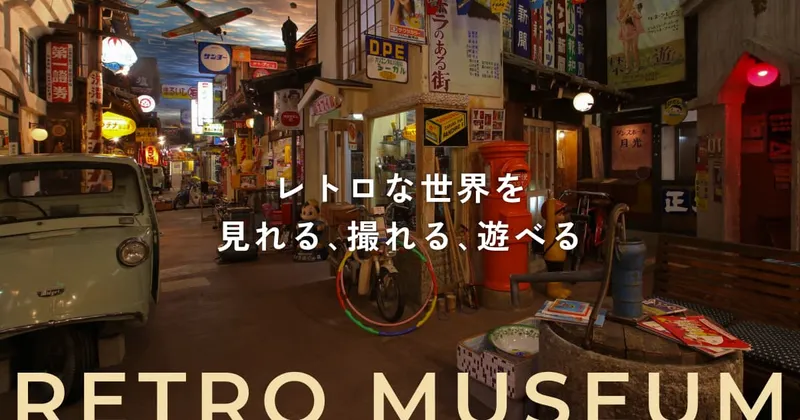
Tucked inside DECKS Tokyo Beach in Odaiba, the Retro Museum is a nostalgic recreation of 1960s Tokyo shopping streets, complete with vintage candy shops, old-school arcade games, and storefronts that look like they were plucked from a Showa-era postcard. It’s small, slightly kitschy, and completely charming. You can play retro arcade games, buy candy from machines that predate you by decades, and wander through recreated alleyways that smell faintly of yakitori and incense. The museum is part of the larger DECKS complex, which also houses LEGOLAND Discovery Center, Madame Tussauds, and a Takoyaki Museum with stalls from Osaka’s best takoyaki makers. On a rainy day, you could spend a solid three to four hours bouncing between all of these without ever going outside.

Odaiba Retro Museum
- Nostalgic recreation of 1960s Tokyo shopping streets
- Retro arcade games, candy shops, and novelty stalls
- Part of DECKS Tokyo Beach, so there's plenty more to do in the building
Combine with the LEGOLAND Discovery Center and Madame Tussauds in the same building for a full rainy-day Odaiba run.
"A quirky, nostalgic museum inside DECKS Tokyo Beach that recreates the look and feel of mid-century Tokyo."
10. Shinjuku Thermae-Yu
There is no better rainy-day activity in Tokyo than sitting in an outdoor hot spring bath while rain falls on your head. Shinjuku Thermae-Yu makes this possible right in the middle of Kabukicho, Shinjuku’s neon-lit entertainment district. The onsen uses real hot spring water trucked in from Nagareyama in Chiba Prefecture, and the facility spans multiple floors with indoor baths, saunas, a relaxation lounge, and, crucially, a rooftop rotenburo (open-air bath) where you can soak while staring up at rain and skyscrapers. The place is open until 9 AM the following morning, so you can arrive after dinner and stay all night if you’re so inclined. After-6 PM rates are lower, making an evening soak a smart and inexpensive way to end a rainy day. Bring nothing; towels and toiletries are all provided.
Shinjuku Thermae-Yu
- Natural hot spring onsen in central Shinjuku
- Open until 9 AM the next day, so you can soak all night
- Rooftop open-air bath is magical in the rain
Visit after 6 PM for lower rates. The outdoor rooftop rotenburo is the highlight, especially when it's raining.
"A multi-floor onsen facility in the heart of Kabukicho that uses real hot spring water. The variety of baths, saunas, and relaxation areas makes it easy to spend half a day here."
11. Karaoke Kan Shibuya
Karaoke in Tokyo is not what you think it is if you’ve only done it at a bar back home. Here, you get a private room with a screen, microphones, a phone-book-sized song catalog, and an all-you-can-drink package that makes the whole thing absurdly affordable. Karaoke Kan in Shibuya is the chain’s most famous branch because it’s where Bill Murray and Scarlett Johansson sang “More Than This” in Lost in Translation. The actual room from the film is on the top floor and is, somewhat surprisingly, just a regular karaoke room you can book. The song selection covers English, Japanese, Korean, Chinese, and more. Weekday daytime rates are a fraction of what you’d pay on a Friday night, so a rainy Tuesday afternoon is actually the ideal time to go. Two hours with drinks will run you around ¥2,000 to ¥3,000 per person.
Karaoke Kan Shibuya
- Famous from the Lost in Translation karaoke scene
- Massive song catalog including English, Korean, and Chinese
- Drink-all-you-can packages are surprisingly affordable
The room from Lost in Translation is on the top floor. Weekday daytime rates are a fraction of weekend nights.
"Karaoke Kan in Shibuya is famous as the filming location for the Lost in Translation karaoke scene. Private rooms and all-you-can-drink packages make it a solid rainy day option."
12. Isetan Shinjuku Depachika
If you only visit one depachika in Tokyo, make it Isetan Shinjuku. The basement food floor of this legendary department store is a sprawling, overwhelming wonderland of Japanese food at its most refined and most tempting. There are stalls selling perfect wagyu bento boxes, others with trays of jewel-like wagashi (Japanese sweets), counters stacked with fresh fruit that costs more than your train pass, pastry sections that rival anything in Paris, and an entire zone dedicated to pickles, miso, and fermented foods. You can graze your way through the entire floor without spending much. Free samples are plentiful and generous, and nobody pressures you to buy. Around 5 PM, many stalls start discounting their prepared foods for the evening, which is when the bento deals get genuinely ridiculous. On a rainy day, combine the depachika run with the upper floors of Isetan for fashion, homewares, and a rooftop garden. For more on where to eat in Tokyo, there’s no shortage of options once the rain stops.
Isetan Shinjuku Depachika
- One of Tokyo's best depachika food halls
- Dozens of stalls selling wagyu bento, pastries, mochi, and more
- Free samples are generous and nobody expects you to buy
Go around 5 PM when many stalls start discounting bento boxes and prepared foods for the evening rush.
"Isetan Shinjuku's basement food hall is a legendary depachika with an overwhelming selection of Japanese sweets, bento, fresh fruit, wagyu, pastries, and prepared foods."
Tips for Rainy Days in Tokyo
Get a clear umbrella. Every convenience store sells transparent vinyl umbrellas for about ¥500. They’re the unofficial umbrella of Tokyo. Do not bother bringing a travel umbrella from home; you’ll lose it within two days and buy one of these anyway.
Use underground connections. Tokyo’s major stations are connected to vast underground shopping networks. You can walk from Shinjuku Station to the Tokyo Metropolitan Government Building without ever going outside. Same goes for Tokyo Station to Marunouchi, or Shibuya Station to Shibuya 109.
Check museum schedules. Many Tokyo museums are closed on Tuesdays. The Ghibli Museum, National Art Center, and several others follow this pattern. Check before you go.
Layer your indoor activities by area. Roppongi has the Mori Art Museum and National Art Center within walking distance. Odaiba has Small Worlds, the Retro Museum, and DECKS all in one complex. Shinjuku has the depachika, Thermae-Yu, and karaoke within a few blocks. Planning by neighbourhood saves you from getting soaked running between train stations.
Embrace the rain for onsen. Sitting in a hot outdoor bath while cool rain falls on your face is one of the great sensory pleasures of travel in Japan. Thermae-Yu’s rooftop rotenburo is perfect for this. So is any ryokan with an outdoor bath if you’re willing to take a day trip.
Looking for more things to fill your Tokyo itinerary? Check out our full guide to things to do in Tokyo or dive into the best museums in Tokyo for a deeper look at the city’s art and culture scene.
Frequently Asked Questions
Does it rain a lot in Tokyo?
Is teamLab Borderless or teamLab Planets better for a rainy day?
Are Tokyo arcades still popular?
What is a depachika?
More Tokyo Guides
3-Day Tokyo Itinerary (2026)
ItineraryThree days, three pairs of neighbourhoods. This itinerary groups Tokyo by geography so you spend less time underground and more time eating, photographing, and getting properly lost.
5-Day Tokyo Itinerary (2026)
ItineraryFive days, five neighbourhoods. This itinerary groups Tokyo by geography so you spend less time on trains and more time eating, exploring, and getting lost in the right way.
Things to Do in Asakusa, Tokyo (2026 Neighbourhood Guide)
GuideAsakusa is Tokyo at its most traditional. While most of the city rebuilt itself into glass and steel after the war, this neighbourhood held onto its wooden shopfronts, its temple rituals, and its open-air drinking culture. Senso-ji has been standing here since the seventh century. Nakamise has been selling rice crackers and souvenirs since the Edo period. And Hoppy Street has been serving cheap beer alternatives to salarymen since the 1940s. It's the part of Tokyo that still feels like old Tokyo, and it's one of the few neighbourhoods where you can spend an entire day without running out of things to see, eat, and do.
Best Breakfast in Tokyo (2026) - From 6AM Sushi to Kissaten Toast
VibeTokyo is one of the few cities where eating sushi at 6 AM is completely normal. Breakfast here spans everything from a three-piece sashimi set at a Tsukiji fish stall to a ¥500 kissaten morning set with toast so thick it could double as a pillow. This guide covers 11 ways to start your day, from the traditional to the trendy.
11 Best Brunch Spots in Tokyo (2026)
VibeTokyo takes breakfast seriously, just not in the way you might expect. The city runs on kissaten morning sets, fluffy souffle pancakes that take 20 minutes to cook, and hotel buffets that could double as Michelin-level tasting menus. This guide covers all of it.
15 Best Cafes in Tokyo (2026)
GuideTokyo has over 550 cafes in our database alone, ranging from century-old kissaten to cafes where a capybara sits in your lap. These 15 cover matcha specialists, third-wave roasters, themed experiences, and traditional tea shops.
Save these places to your Tokyo trip
Tourli turns travel guides into actionable day plans. Save places, get walking directions, and share your itinerary — all in one app.