
Tours start on time with a 5-minute grace period and no refund if you miss it. Vegetarian, gluten-free, no-pork and pescatarian diets with notice.
Where to eat, cook and drink your way round Tokyo with someone who knows: food tours through Shinjuku's alleys, Tsukiji and Ueno, sushi and ramen cooking classes, and sake tastings from ¥100 a cup, with what each costs and how long it takes.
If you only do one food tour, make it an evening in Shinjuku: Arigato Japan's three-hour walk through Omoide Yokocho, Kabukicho and a Golden Gai bar costs from ¥26,400, two drinks included. For a cooking class, I'd book Tsukiji Cooking, which teaches sushi, teriyaki fish and miso soup for ¥15,400, or ¥17,600 with a market walk first. And for sake, start at the Japan Sake and Shochu Information Center near Toranomon, where a tasting cup costs ¥100.
Food tours here are not cheap, and the Shinjuku and Tsukiji tours are a full meal, so don't book dinner or breakfast on top. To eat on your own instead, start with the best restaurants in Tokyo and the best izakaya, and for the rest of the city see things to do in Tokyo. For tea ceremonies and kimono in Kyoto, see cultural experiences in Kyoto.
Food tours
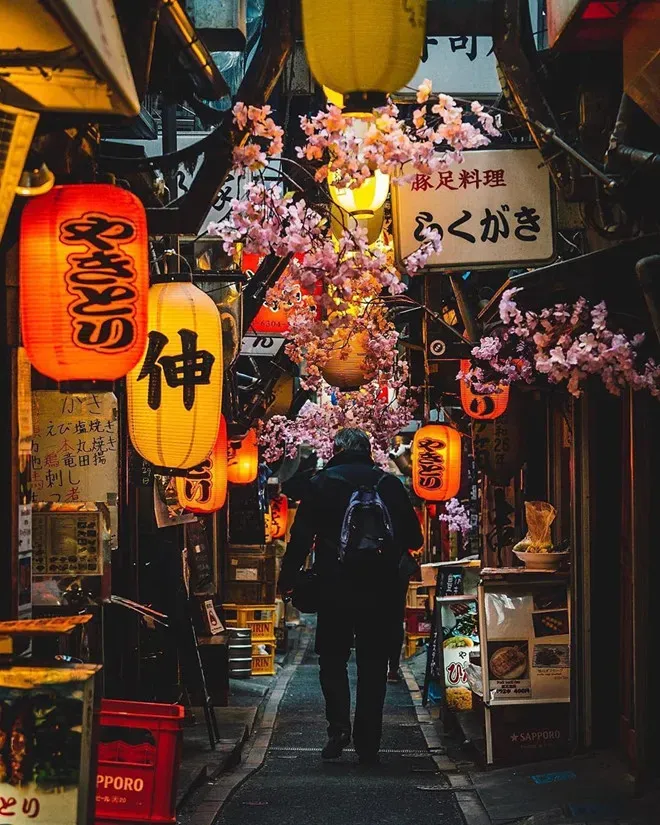
Arigato Japan's Shinjuku tour is the one to book if you only do one: three hours through Omoide Yokocho, the smoky lane of yakitori counters by the station, Kabukicho and a bar in Golden Gai. It costs from ¥26,400 a person with food at several stops and two drinks; anything more you order is extra. You meet between 4:45 and 5pm and finish around 8pm.
It's for over-20s only, and it starts on time: there's a 5-minute grace period and no refund if you miss it. Vegetarian, gluten-free, no-pork and pescatarian diets can be arranged with notice, but not allergy-free. For the same alleys on your own, see my Golden Gai and Omoide Yokocho guide and my Kabukicho guide. The catch: it's priced like a good dinner, which it replaces.
The cheaper Shinjuku option is Magical Trip's Shinjuku Perfect Pairing tour, from about US$75 depending on the date, for 3.5 hours and up to 10 people: four food-and-drink pairings (yakitori and karaage with a highball, half a bowl of ramen, sushi with sake, gyoza with beer) and a convenience-store dessert to finish. The portions are tastings, so it's a long snack rather than dinner. It meets by the Black Pillar next to UNIQLO Shinjuku Nishiguchi, you can cancel up to 24 hours ahead for a full refund, and it can't do vegetarian, vegan or gluten-free.

Tours start on time with a 5-minute grace period and no refund if you miss it. Vegetarian, gluten-free, no-pork and pescatarian diets with notice.
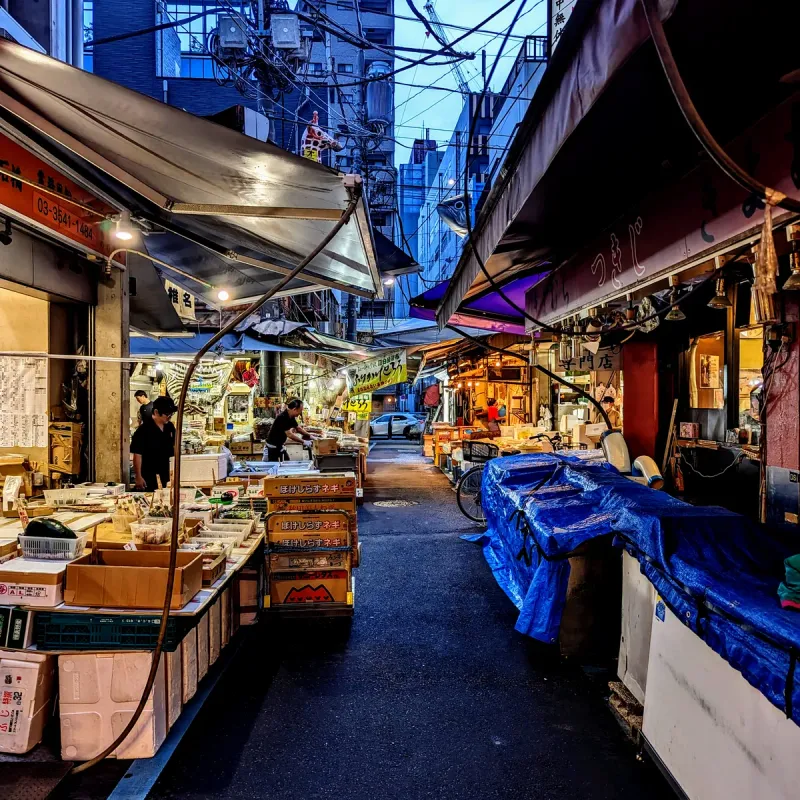
Arigato Japan's Classic Tsukiji Breakfast Tour makes a morning of the old fish market's outer stalls: a breakfast at a local restaurant, tastings from the market vendors, Japanese sweets and the area's history. Adults pay from ¥28,050, children 3 to 12 half that, and under-3s go free.
It runs Monday, Tuesday and Thursday to Saturday, meeting 8:15 to 8:30am and finishing about 11:30am. It's a good family option: all ages are welcome. To do Tsukiji yourself, my Tsukiji and Toyosu guide has the stalls and the tuna-auction rules. The catch: it costs more per hour than the Shinjuku tour, and Tsukiji is easy to walk on your own.

Hotel pick-up costs extra. Vegetarian, gluten-free, no-pork and pescatarian diets with notice.
Ten Tastes of Tokyo is Arigato Japan's lower-priced tour: 2.5 hours of street food in Ueno for from ¥13,500, with more than ten tastings, a market and a temple or shrine. You meet at the entrance of the Shitamachi Museum in Ueno Park, between 1:45 and 2pm, Tuesday to Sunday. All ages are welcome; vegetarian and pescatarian options need notice.
If Arigato's days don't fit, Secret Food Tours runs an Ueno tour for $99.99, 3 to 3.5 hours with six stops and up to 10 people. For the neighbourhood on your own, see my Ueno guide. The catch: it's an afternoon of snacks, not a sit-down meal.
Extra drinks aren't included. Vegetarian and pescatarian options with notice.
Cooking classes
Tsukiji Cooking is the class I'd book first: in English, in a studio near Tsukiji Outer Market, and you can come on your own. You make sushi (nigiri, maki rolls and temari balls), teriyaki fish and miso soup. It's ¥15,400 for two hours (11am to 1pm), or ¥17,600 for three hours with a guided shop round the outer market first (10am to 1pm), tax included. Take the market version; the extra hour in Tsukiji is worth the ¥2,200.
Classes take up to 20 people, so it's lively rather than intimate. Private classes for up to ten start at ¥154,000 a group (¥176,000 with the market), plus ¥22,000 on Friday evenings, weekends and holidays, with vegetarian-friendly, gluten-free and wagashi menus. The catch: a big class, so you'll get less one-to-one help than in a home kitchen.
Take the market-tour version: the extra hour in Tsukiji Outer Market is worth the ¥2,200.
Tokyo Cooking Studio is the one for a small class: up to seven people in a kitchen in Tomigaya, Shibuya, run since 2016 by Yukari Matsushita, with sushi taught by Chef Shinji, a sushi chef of more than 20 years. Pick by the day you're free, because each class has its own: Ramen & Gyoza (¥19,000, Fridays and Saturdays), Izakaya small plates (¥21,000, Fridays), and Sashimi & Knife Skills (¥23,000) or Sushi with Chef Shinji (¥25,000), both Mondays and Wednesdays.
The Market to Meal class (¥28,000, Tuesdays, up to six) meets at the Hachiko statue in Shibuya, shops a morning market and cooks what you bought. The studio is closed Thursdays and Sundays, and you get a full refund up to seven days before. The catch: dearer than Tsukiji, but you're one of seven, not twenty.
For ramen, book a Friday or Saturday. Vegetarian ramen on request.
Sake tastings
The Japan Sake and Shochu Information Center is the sake makers' association's own showroom, on the ground floor of its building between Toranomon and Shinbashi. Entry is free, and its tasting bar pours about 50 sake, shochu and awamori (Okinawa's rice spirit) from ¥100 a cup, with sets of three if you can't choose. English tablets explain what you're drinking.
I'd go here before buying a bottle to take home: it's a cheap way to taste across regions and styles. It's open 10am to 6pm on weekdays only. The catch: closed at weekends, and it's a showroom, not a bar, so come in the afternoon rather than for a night out.
Run by the Japan Sake and Shochu Makers Association. English tablets explain each drink. Weekdays only.
Kurand Sake Market is the opposite: an all-you-can-drink sake room where you pay for time, not by the glass. It's ¥1,500 for 30 minutes, ¥2,700 for 90 minutes or ¥3,800 with no time limit, paid up front by card or other cashless payment. At weekends and on holidays there's also a daytime session, noon to 4pm, for ¥2,700.
You can bring your own food (nothing that will fill the room with smells) or have it delivered, but not your own alcohol. The Shinjuku branch is on the 6th floor right beside exit C6 of Shinjuku-sanchome Station; there's another by Akihabara Station. Nobody under 20 is allowed in. The catch: it's a party, not a lesson, so read up on the styles at the Information Center first if you want to learn.
Bring your own food (nothing too smelly), but no outside alcohol. Right by exit C6 of Shinjuku-sanchome Station. There's a second branch in Akihabara.
Sawanoi has been brewing sake in Ome, in the forested Okutama valley of western Tokyo, since 1702, using water that springs from a cave dug into the hillside. Its brewery tour takes about 40 minutes and costs ¥700, with a tasting and a sake cup to take home (under-20s go free and get yuzu cider). Tours run at 11am and 1pm on weekdays, and 11am, 12:30pm and 2pm at weekends and on holidays; book online by the day before.
Afterwards, the tasting bar pours about ten of its sakes at ¥300 to ¥600 a 90ml cup, and its garden café, Sawanoi-en, makes a day of it. It's about 5 minutes on foot from Sawai Station on the JR Ome Line. The catch: it's a day trip, and it's closed on Mondays. For more trips out of the city, see the best day trips from Tokyo.
Book online by the day before; same-day places may be free at the Sawanoi-en shop. About 5 minutes on foot from Sawai Station on the JR Ome Line (Okutama direction). No tasting if you're driving.
Pick by area, not by menu. The menus overlap more than you'd think; what really changes is the neighbourhood and the time of day. Shinjuku is for the night, Tsukiji for the morning, Ueno for an afternoon of street food. My 3-day itinerary shows where each fits.
Read the small print. Check the cancellation rules (Tokyo Cooking Studio refunds up to seven days before; Magical Trip up to 24 hours) and the start time: Arigato Japan's tours leave on time, and a missed tour isn't refunded.
Tell them about diets when you book. Arigato Japan's tours do vegetarian and pescatarian with notice, but not allergy-free food, because you eat in other people's kitchens. Vegetarians should skip Magical Trip's Shinjuku tour, which can't cater for them. Japan's drinking age is 20, so under-20s can't drink on a tour or at a sake bar.
Planning your trip to Tokyo? Save these tours, classes and tastings to your itinerary with Tourli, the app that turns travel guides into day-by-day plans.
Stop reading lists.
Start the trip.
Tourli turns any guide into an actionable day plan — pinned to a map, walking directions and offline access included. One tap to save every place on this page.