Cherry Blossom Guide to Tokyo (2026) - Best Hanami Spots & Tips
Tokyo's cherry blossom season lasts roughly two weeks between late March and mid-April, and it transforms the entire city. These 10 spots cover the best of hanami in Tokyo, from quiet moat-side rowing to packed riverside festivals with street food and beer.
Cherry Blossom Guide to Tokyo
Every spring, somewhere around the last week of March, Tokyo goes completely pink. It happens fast. One day the trees along the Meguro River are bare grey branches, and about seventy-two hours later they’re a solid canopy of pale sakura blossoms arching over the water, with half the city standing underneath them holding cans of Asahi and convenience store onigiri. The Japanese have a word for this, obviously. Hanami. Literally “flower viewing.” But what it actually means is: find a park, spread a blue tarp on the ground, crack open some drinks, and sit with friends under the blossoms until the sun goes down. It is, without exaggeration, one of the best things you can do in Tokyo.
The tricky part is timing. Cherry blossom season in Tokyo typically runs from late March to mid-April, but the actual peak, when the Somei Yoshino trees hit full bloom, lasts only about seven to ten days. In 2026, the Japan Meteorological Agency forecast first bloom on March 21, with full bloom expected around March 26-28. After that, it depends on wind and rain. A heavy storm can strip the petals in a single night. A calm week can stretch the magic to nearly two weeks.
This guide covers the ten best spots for cherry blossoms in Tokyo, from manicured gardens with sixty-five varieties of sakura to a moat where you can row a boat through falling petals. Some are packed festivals with beer vendors and taiko drums. Others are quiet enough that you can hear the petals landing on the water.

1. Shinjuku Gyoen National Garden
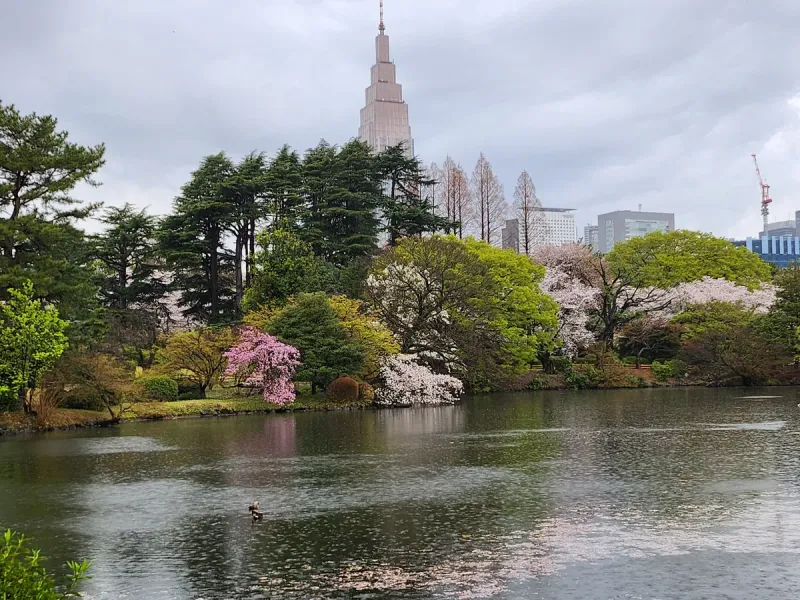
If you only visit one cherry blossom spot in Tokyo, make it Shinjuku Gyoen. The numbers alone are absurd: over 1,300 cherry trees across more than 65 varieties, planted across a sprawling garden that blends Japanese, English, and French landscape styles. But the real advantage is the extended season. While most of Tokyo’s sakura peaks during one narrow window, Shinjuku Gyoen has early-blooming varieties (like the dark pink kanzakura) that open in February and late bloomers (like the fluffy ichiyo and kanzan) that last well into mid-April. You could visit three weeks apart and see completely different trees in bloom.
The lawns here are immaculate and big enough to spread a picnic blanket without feeling like you’re on top of someone else’s hanami party. Alcohol is banned inside the gates, which keeps the atmosphere calm and family-friendly. A heads-up for 2026: weekend and holiday visits during peak bloom now require advance time-slot reservations online, so book ahead. Weekday mornings are significantly quieter and don’t need a reservation. Entry is ¥500.

Shinjuku Gyoen National Garden
- Over 1,300 cherry trees across 65+ varieties
- Extended bloom season thanks to early and late-flowering species
- One of the few spots in Tokyo where you can picnic under the trees on manicured lawns
Weekend visits during peak bloom require advance time-slot reservations. Go on a weekday morning for smaller crowds.
"Shinjuku Gyoen is widely considered the best cherry blossom spot in Tokyo, with an extraordinary variety of sakura that extends the viewing window well beyond the typical Somei Yoshino peak."
2. Meguro River
The Meguro River is Tokyo’s most famous cherry blossom scene, and the one you’ve probably already seen on Instagram. Around 800 Somei Yoshino trees line a 3.8 kilometre stretch of the narrow river, their branches meeting overhead to form a tunnel of pale pink. The best section runs through Nakameguro, a neighbourhood that’s already one of Tokyo’s most walkable, with indie coffee shops and boutiques tucked along the side streets.
During peak bloom, the Meguro River Cherry Blossom Festival takes over. Food stalls sell yakitori, takoyaki, and strawberry daifuku. Pink lanterns hang from the trees and get switched on around 5 PM, turning the whole thing into one of Tokyo’s premier yozakura (night viewing) experiences. The illuminations run until about 8 PM. The atmosphere is festive and social, closer to a street party than quiet contemplation. Walk the full stretch from Ikejiri-Ohashi Station toward Meguro Station to see it all.
Fair warning: this is one of the most crowded spots in the city during peak bloom. Weekend afternoons can involve shuffling shoulder-to-shoulder along the river path. Weekday evenings hit the sweet spot of illuminations minus the worst crowds.
Meguro River
- 800 cherry trees forming a pink canopy over the river
- Famous yozakura illuminations with pink lanterns
- Food and drink stalls line the riverbanks during the festival
Walk from Ikejiri-Ohashi Station toward Meguro Station for the full 3.8 km stretch. The best night illuminations are in the Nakameguro section.
"The Meguro River is Tokyo's most photogenic cherry blossom spot, with trees arching over the narrow waterway creating a tunnel of pink."
3. Chidorigafuchi Moat
Chidorigafuchi sits just north of the Imperial Palace, and it offers something none of the other spots on this list can match: you can rent a rowboat or pedal boat and glide directly underneath the cherry trees, with petals drifting down onto the water around you. The 700-metre green way along the moat is gorgeous on foot, but the view from the water is genuinely special. Branches heavy with blossoms hang low over the moat, reflected perfectly in the still surface below. On a calm day it looks like a painting.
New for 2026, the Chidorigafuchi boat pier now offers Smart Ticket online bookings. Reserve your time slot in advance and skip the queue entirely by showing your QR code at the dock. Walk-up tickets are still available but the wait can top two hours during peak weekends. Boats cost ¥800 for 30 minutes. Night illuminations run until 9 PM, and the boats stay open until 8 PM during the illuminated period, which means you can row through the sakura at dusk. That’s the move.
Chidorigafuchi Moat
- 700-meter cherry tree tunnel along the Imperial Palace moat
- Rowboat and pedal boat rentals to see blossoms from the water
- Night illuminations until 9 PM with evening boat rides
Use the new Smart Ticket system to book boat rentals online and skip the queue. Evening boats run until 8 PM during illumination period.
"Chidorigafuchi offers one of Tokyo's most serene cherry blossom experiences, rowing through a canopy of sakura reflected in the still moat water beside the Imperial Palace walls."
4. Ueno Park
Ueno Park is where hanami was invented. Or at least, it’s been Tokyo’s primary cherry blossom destination since the Edo period, which is close enough. Over 800 cherry trees line the central walkway, and during peak bloom the Ueno Sakura Matsuri turns the whole park into a festival with food vendors, drink stalls, and the kind of cheerful, slightly chaotic energy that makes hanami feel like a genuine community event rather than a tourist activity.
The main promenade gets packed. Genuinely elbow-to-elbow on weekend afternoons. But the park is big enough that you can escape the densest crowds by heading toward Shinobazu Pond or deeper into the grounds near the temples. Ueno also has the advantage of being surrounded by museums (the Tokyo National Museum, the National Museum of Western Art) so you can combine your hanami with a cultural afternoon. Entry to the park is free.

Ueno Park
- Over 800 cherry trees and Tokyo's most famous hanami spot since the Edo period
- Ueno Sakura Matsuri festival with food vendors and performances
- Free entry with museums and temples nearby
The main path gets extremely crowded. Head deeper into the park toward Shinobazu Pond for more space.
"Ueno Park has been Tokyo's primary hanami destination for centuries. The central walkway lined with cherry trees is iconic, and the festival atmosphere is quintessentially Japanese."
5. Yoyogi Park
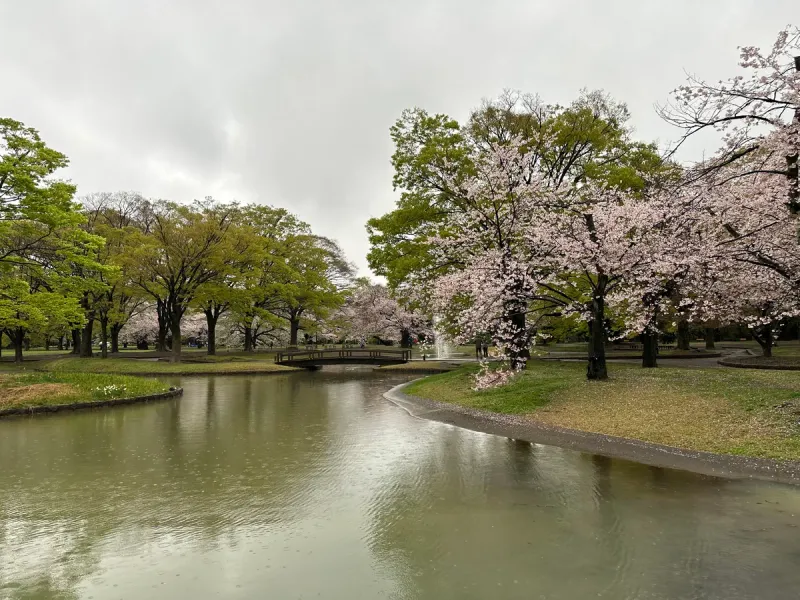
Yoyogi is the hanami spot for people who actually want to sit down, eat food, and enjoy a full afternoon under the trees without battling for space. The park has about 600 cherry trees spread across enormous lawns, which means even on a busy Saturday you can usually find a patch of grass big enough for your group. The vibe here is more relaxed than Ueno or Meguro River. University students, families, groups of friends. People bring guitars, frisbees, elaborate bento boxes. Some groups arrive at dawn to stake out the best spots with tarps.
There’s no entry fee, the park is open 24 hours, and it sits right next to Harajuku and Meiji Shrine, so you can build a whole day around it. The southern section near the event plaza tends to have the densest cherry tree clusters.

Yoyogi Park
- 600 cherry trees with ample lawn space for picnics
- The most relaxed and spacious hanami atmosphere in central Tokyo
- No entry fee and open 24 hours
Arrive early on weekends to claim a good picnic spot. The southern section near the event plaza has the densest clusters.
"Yoyogi Park offers the most laid-back hanami experience in Tokyo, with enough space that it never feels as crushingly packed as Ueno or Meguro River."
6. Sumida Park
Sumida Park combines two of Tokyo’s most recognisable sights in a single frame: cherry blossoms and Tokyo Skytree. Around 510 trees line both banks of the Sumida River in Asakusa, and from the Taito City side you get that postcard shot of pink branches with the 634-metre tower rising behind them. The park has hosted hanami since the Edo period, so the trees are mature and the atmosphere has a deep-rooted, neighbourhood feel.
For a different perspective, hop on a yakatabune (traditional roofed boat) or the Tokyo Water Bus and see the sakura from the river. Both run special cherry blossom cruises during the season. The trees are illuminated in the evenings, making this another strong option for yozakura. And since you’re already in Asakusa, Senso-ji temple is a short walk away.
Sumida Park
- 510 cherry trees along the Sumida River banks
- Iconic views of blossoms framing Tokyo Skytree
- Yakatabune boat cruises and water bus rides through the sakura
Walk to the Taito City side of the river for the best Skytree-and-sakura views. Evening illuminations run through early April.
"Sumida Park has been a famous hanami destination since the Edo period. The combination of cherry blossoms with Tokyo Skytree in the background makes it one of the most photographed sakura scenes in Tokyo."
7. Inokashira Park
A bit further out from central Tokyo, Inokashira Park in Kichijoji is worth the trip for one of the most beautiful cherry blossom scenes in the city. About 500 sakura trees ring the edges of Inokashira Pond, and when they bloom the entire pond becomes a bowl of pink. Rent a swan boat and paddle through the reflections. Toward the tail end of the season, fallen petals accumulate on the water’s surface, creating a solid carpet of pink that’s one of the most stunning sights of late sakura season anywhere in Japan.
The park itself is a joy. Kichijoji is one of Tokyo’s most liveable neighbourhoods, with great cafes and shopping streets feeding into the park entrances. You can easily spend a full afternoon here browsing the markets, renting a boat, and then settling in with a picnic under the trees. It’s less hectic than the central Tokyo spots, which makes it ideal if you’ve already experienced the madness of Ueno or Meguro River and want something gentler.
Inokashira Park
- 500 cherry trees concentrated around a beautiful pond
- Swan boat rentals for a unique sakura-viewing angle
- Fallen petals cover the pond surface in a stunning pink carpet
Rent a swan boat on Inokashira Pond for the best perspective. Visit on a weekday to avoid the worst crowds.
"Inokashira Park is beloved for its sakura-ringed pond, where the reflection of cherry blossoms in the water doubles the visual impact."
8. Imperial Palace East Gardens
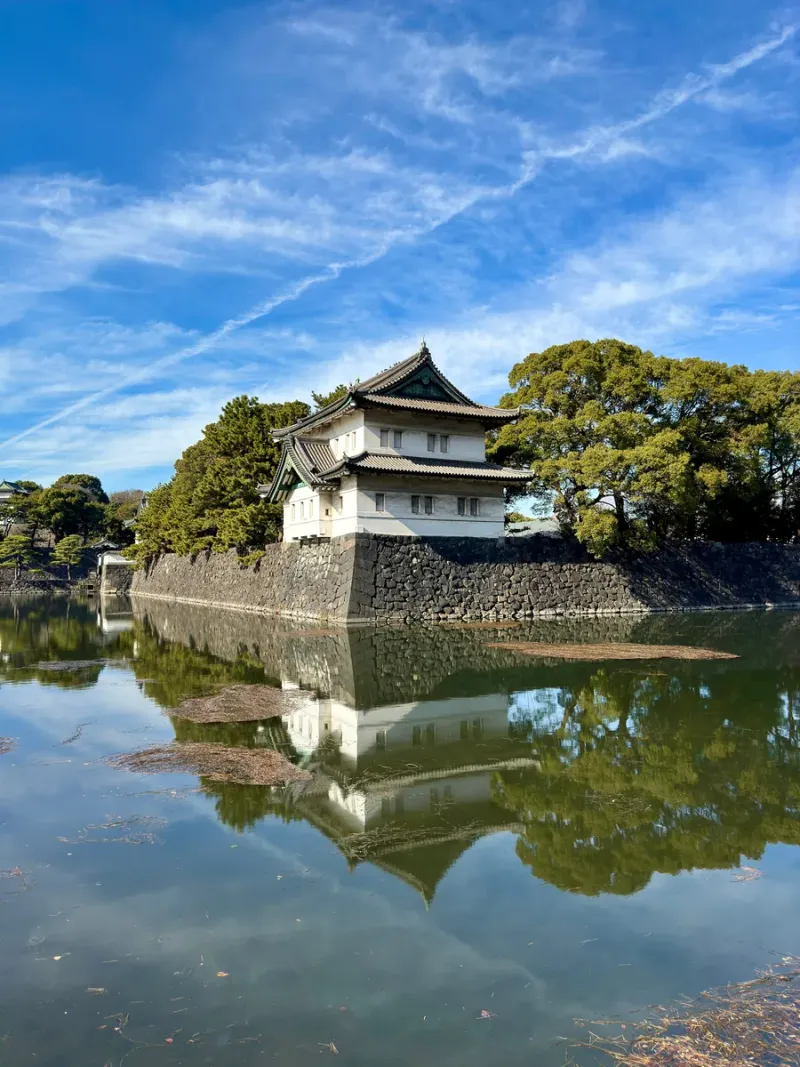
While half of Tokyo is packed into Ueno Park and along Meguro River, the Imperial Palace East Gardens remain comparatively quiet during cherry blossom season. It’s genuinely surprising how few people think to come here, given that the combination of sakura, centuries-old stone walls, and the formal imperial grounds makes for one of the most elegant hanami settings in the city. The gardens are free, well-maintained, and small enough to walk in about an hour.
The catch is that the gardens close relatively early (4:30 PM in winter, 5 PM from March onward) and alcohol isn’t allowed, so this isn’t the spot for a rowdy evening hanami session. But if you want to photograph cherry blossoms against something other than crowds, or if you want a peaceful morning walk before the parks fill up, the East Gardens are perfect. Enter through Otemon Gate, a short walk from Tokyo Station.

Imperial Palace East Gardens
- Cherry blossoms against centuries-old stone walls and moats
- Far fewer crowds than other major spots
- Free entry to beautifully maintained imperial grounds
Enter through Otemon Gate. The gardens close at 4:30 PM (5 PM March-October). Free admission.
"The Imperial Palace East Gardens offer a more tranquil cherry blossom experience than Tokyo's parks."
9. Senso-ji Temple
Senso-ji isn’t a traditional hanami spot. You won’t find people spreading tarps on the temple grounds. But the cherry trees in the courtyard create one of Tokyo’s most striking sakura compositions: pale pink blossoms framing the vermillion pagoda and the ancient Kaminarimon gate. It’s an architectural contrast that no park can replicate. The best time to visit is dawn, when the temple grounds are nearly empty and the morning light catches the blossoms against the pagoda.
Since Senso-ji is just a few minutes’ walk from Sumida Park, the obvious play is to combine the two. Start at the temple in the early morning, walk along Nakamise-dori for street food breakfast, then continue to the river for a longer hanami session along the Sumida.
Senso-ji Temple
- Cherry blossoms framing Tokyo's oldest temple and five-story pagoda
- The contrast of pink sakura against vermillion temple buildings
- Walking distance from Sumida Park for a combined hanami route
Visit at dawn for sakura and the pagoda without the crowds. Combine with a walk to nearby Sumida Park.
"Senso-ji's courtyard trees create one of Tokyo's most photogenic sakura compositions, with blossoms set against the ancient temple architecture and pagoda."
10. Rikugien Garden
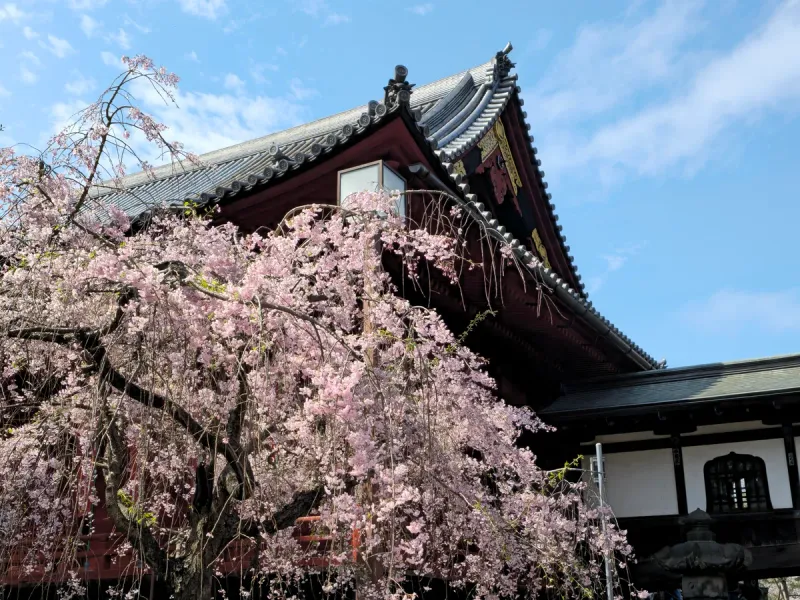
Rikugien is for the sakura purist who wants one perfect tree rather than a thousand decent ones. The star here is a magnificent weeping cherry (shidarezakura) near the entrance gate, its branches cascading downward in a waterfall of pale pink flowers. During peak bloom the garden illuminates this tree at night, and the sight of it glowing against the dark sky draws photographers from across the city. The rest of the Edo-period strolling garden is beautiful too, with winding paths around a central pond, but that single weeping cherry is the reason people come.
Rikugien is up in Komagome, slightly off the main tourist trail, which keeps the crowds more manageable than the big-name parks. The atmosphere inside is hushed and contemplative. This is hanami for people who find Ueno Park overwhelming and Meguro River too much of a party. Entry is ¥300, and it’s well worth it for the garden alone, cherry blossoms or not.
Rikugien Garden
- Famous weeping cherry tree (shidarezakura) illuminated at night
- One of Tokyo's most beautiful Edo-period strolling gardens
- A more refined and less chaotic alternative to the major parks
The weeping cherry at the entrance is illuminated at night during peak bloom. Check their website for exact illumination dates and hours.
"Rikugien is known for its magnificent weeping cherry tree near the entrance, which becomes the star attraction during sakura season."
Hanami Etiquette
A few things to know before you spread your tarp. First: yes, you need a tarp. Any convenience store sells lightweight blue picnic sheets for a few hundred yen during cherry blossom season. Stake your spot by laying it down, ideally in the morning if you’re planning an afternoon session. At popular spots like Yoyogi Park, designated scouts from friend groups will arrive at sunrise to claim territory. This is completely normal.
Drinking alcohol at hanami is not just accepted, it’s expected. Convenience stores and vending machines are your best friends here. Grab a few cans of beer or chuhai, some onigiri and karaage from the konbini, and you’re set. Some people go all-out with elaborate bento boxes from department store food halls. There’s no wrong answer.
The rules that matter: clean up everything when you leave. Japan takes this seriously and you should too. Don’t shake tree branches to create a petal shower for your photo. Don’t step over roped-off areas around tree roots. Keep your music at a volume that doesn’t ruin it for the group on the next tarp. And don’t, under any circumstances, carve anything into the trees.
Sakura Forecast and Timing Tips
The Japan Meteorological Agency and the Japan Weather Association both release cherry blossom forecasts starting in January, updated weekly as the season approaches. For Tokyo, first bloom (kaika) typically falls between March 20 and March 28. Full bloom (mankai) follows about a week later. The 2026 forecast puts kaika at March 21 and mankai around March 26-28.
If you can only be in Tokyo for a few days, aim for the week after full bloom is announced. The trees stay at peak for roughly a week before petals start to fall. The very end of bloom, called hanafubuki or “petal blizzard,” is actually one of the most beautiful moments: sheets of pink petals swirling through the air and blanketing the ground. Don’t be disappointed if you catch the tail end.
One more tip: different varieties bloom at different times. If you miss the Somei Yoshino peak, Shinjuku Gyoen’s late-blooming ichiyo and kanzan varieties will keep going for another week or two. And if you arrive early, the darker pink kawazu-zakura and kanzakura bloom in late February and early March.
Beyond This Guide
If you’re planning a fuller trip to Tokyo, check out our things to do in Tokyo guide for activities beyond sakura season, our best views in Tokyo guide for the rooftop and observation deck spots that look even better with cherry blossoms below, and our Nakameguro neighbourhood guide for what to eat and drink along the Meguro River after your hanami walk.
Frequently Asked Questions
When do cherry blossoms bloom in Tokyo?
What is hanami etiquette in Japan?
Can you see cherry blossoms at night in Tokyo?
Are cherry blossoms free to see in Tokyo?
More Tokyo Guides
3-Day Tokyo Itinerary (2026)
ItineraryThree days, three pairs of neighbourhoods. This itinerary groups Tokyo by geography so you spend less time underground and more time eating, photographing, and getting properly lost.
5-Day Tokyo Itinerary (2026)
ItineraryFive days, five neighbourhoods. This itinerary groups Tokyo by geography so you spend less time on trains and more time eating, exploring, and getting lost in the right way.
Things to Do in Asakusa, Tokyo (2026 Neighbourhood Guide)
GuideAsakusa is Tokyo at its most traditional. While most of the city rebuilt itself into glass and steel after the war, this neighbourhood held onto its wooden shopfronts, its temple rituals, and its open-air drinking culture. Senso-ji has been standing here since the seventh century. Nakamise has been selling rice crackers and souvenirs since the Edo period. And Hoppy Street has been serving cheap beer alternatives to salarymen since the 1940s. It's the part of Tokyo that still feels like old Tokyo, and it's one of the few neighbourhoods where you can spend an entire day without running out of things to see, eat, and do.
Best Breakfast in Tokyo (2026) - From 6AM Sushi to Kissaten Toast
VibeTokyo is one of the few cities where eating sushi at 6 AM is completely normal. Breakfast here spans everything from a three-piece sashimi set at a Tsukiji fish stall to a ¥500 kissaten morning set with toast so thick it could double as a pillow. This guide covers 11 ways to start your day, from the traditional to the trendy.
11 Best Brunch Spots in Tokyo (2026)
VibeTokyo takes breakfast seriously, just not in the way you might expect. The city runs on kissaten morning sets, fluffy souffle pancakes that take 20 minutes to cook, and hotel buffets that could double as Michelin-level tasting menus. This guide covers all of it.
15 Best Cafes in Tokyo (2026)
GuideTokyo has over 550 cafes in our database alone, ranging from century-old kissaten to cafes where a capybara sits in your lap. These 15 cover matcha specialists, third-wave roasters, themed experiences, and traditional tea shops.
Save these places to your Tokyo trip
Tourli turns travel guides into actionable day plans. Save places, get walking directions, and share your itinerary — all in one app.