12 Best Cheap Eats in Tokyo (2026) - Budget Food Under ¥1,200

Tokyo is one of the cheapest cities on earth to eat extraordinary food. Thanks to the weak yen, a full day of incredible meals can cost less than a single dinner in London or New York. These 12 spots cover ramen, gyoza, karaage, street food, and all-you-can-eat wagyu, all for well under ¥5,000.

Places
12
Avg Rating
4.5
City
Tokyo

Cheap Eats in Tokyo

Here’s something that surprises almost every first-time visitor to Tokyo: this is one of the cheapest cities in the world to eat well. Not cheap in the “you’ll survive” sense. Cheap in the “you just had a life-altering bowl of ramen and it cost six dollars” sense. Thanks to the weak yen, a full day of genuinely excellent food in Tokyo can run you less than the price of a single mid-range dinner in London or New York. We’re talking ¥3,000 to ¥5,000 for three proper meals, with snacks in between.

The infrastructure for budget eating here is unlike anything in Europe or North America. Ramen shops serve Michelin-quality bowls for ¥900. Gyudon chains like Yoshinoya, Matsuya, and Sukiya dish out hearty beef-over-rice meals for about ¥500. Standing soba counters at train stations sell fresh buckwheat noodles in hot broth for ¥350. Convenience stores stock onigiri for ¥120-200 that would honestly qualify as a decent lunch back home. And then there are the depachika, the gleaming food halls in the basements of department stores, where you can sample wagyu bento, sushi rolls, and pastries for a fraction of sit-down restaurant prices.

This guide covers 12 specific spots across Tokyo where you can eat very well for very little. Some of them happen to have Michelin credentials. Most of them will cost you less than a thousand yen. All of them are the kind of places where the food is so good that the price feels like it must be a mistake.

If you want the full range of Tokyo dining from budget to blow-out, our best restaurants in Tokyo guide covers every price point. And for a deeper look at the noodle scene specifically, the best ramen in Tokyo guide has you covered.

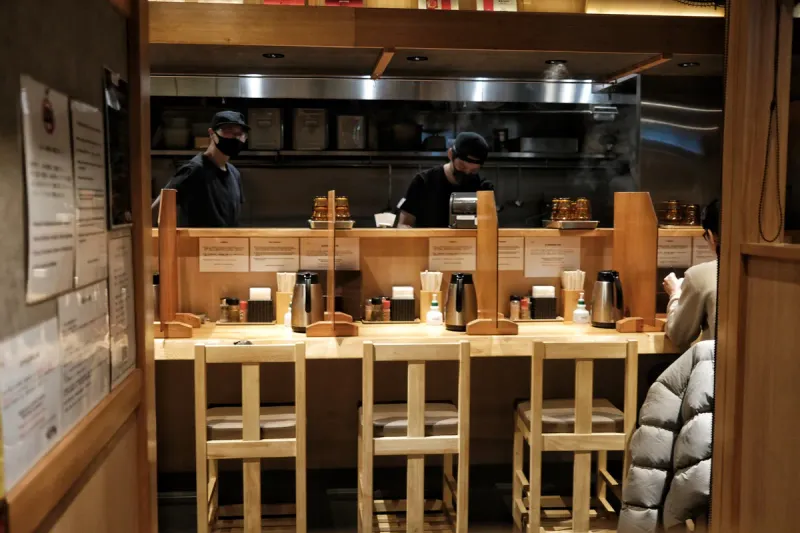
1. Soba House Konjiki-Hototogisu

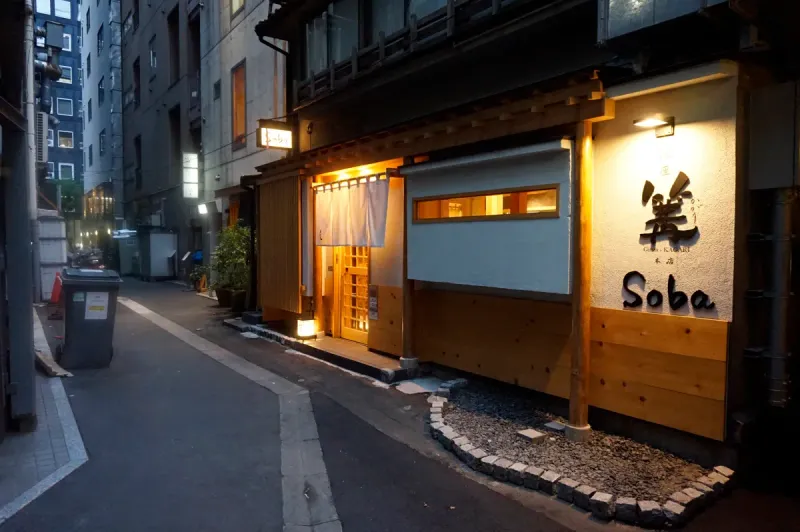
This is what ¥900 buys you in Tokyo: a bowl of ramen that held a Michelin star. Konjiki-Hototogisu in Shinjuku makes a broth from red sea bream and clams that tastes like nothing else in the ramen world. It’s light, almost translucent, but deeply savory in a way that creeps up on you. The shio (salt) version is the one to get. The seasoning stays out of the way and lets the seafood do the talking, and by the time you’re tipping the bowl back to finish the last drops, you’ll understand why inspectors showed up.

The catch is the queue. This is a tiny shop and it’s popular. The system works on numbered tickets: show up around 9:30 AM for the lunch service or 5:30 PM for dinner, grab a ticket, and come back at your assigned time. It’s efficient, and it beats standing in line for forty-five minutes. At ¥900 for what might be the single best-value meal in all of Tokyo, the minor logistics are worth it.

Soba House Konjiki-Hototogisu
1

Soba House Konjiki-Hototogisu

restaurant Shinjuku $
4.1 Google Shinjuku, Tokyo
  • Former Michelin-starred ramen
  • Unique sea bream and clam broth unlike any other ramen
  • A bowl of world-class ramen for just ¥900
Tip

Arrive at 9:30 AM for lunch or 5:30 PM for dinner to get a numbered ticket with your return time.

"A renowned ramen restaurant known for its exceptional seafood-based broth using red sea bream and clams. The shio version is the standout."

2. Asakusa Chicken

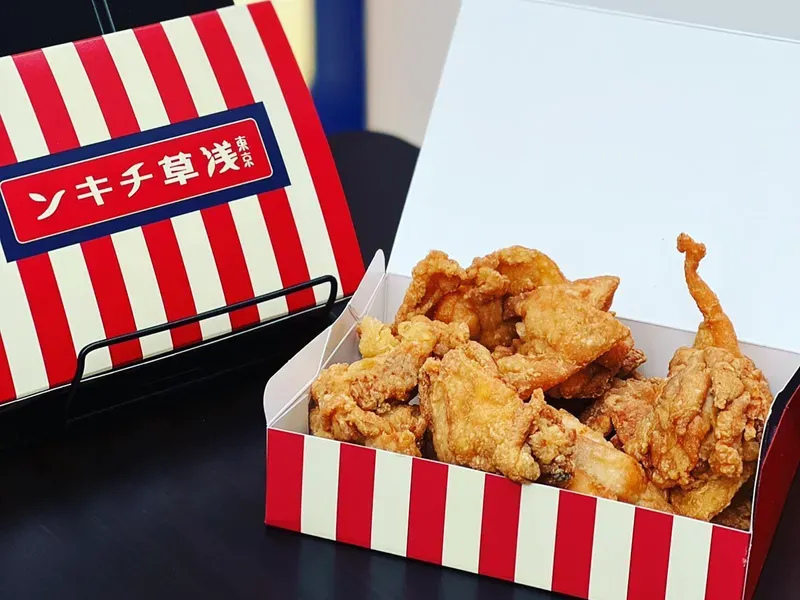
If you’re heading to Senso-ji, and you should be, stop at Asakusa Chicken on the way. This tiny shop opens at 9 AM and serves karaage fried chicken from a family recipe that’s been refined over decades. Each piece is cooked to order, so you’re getting it fresh from the fryer, crackling hot and absurdly juicy inside. A portion runs ¥300-500, which is almost offensively cheap for how good it is.

The crab cream croquettes are the sleeper hit. Most people come for the chicken and then notice someone else eating something golden and creamy and immediately order one. Smart move. The shop is small and there’s usually a short queue, but turnover is fast. It’s the kind of morning snack that sets the tone for a whole day of eating in Asakusa.

Asakusa Chicken
2

Asakusa Chicken

restaurant Asakusa
4.9 Google 2-10-1 Asakusa, Taito City, Tokyo
  • Award-winning chicken karaage cooked to order
  • The crab cream croquettes are a sleeper hit
  • Opens at 9 AM near Senso-ji, perfect morning snack
Tip

Visit early at 9 AM to avoid crowds and get freshly cooked chicken.

"A gem near Senso-ji known for its delicious made-to-order chicken karaage based on a family recipe. The crab cream croquettes also get high praise."

3. Ginza Kagari

Ginza sounds expensive, and mostly it is. But Ginza Kagari is a ramen shop with eight seats around a U-shaped counter, and a bowl of their chicken paitan costs about ¥1,200. The broth is made from chicken bones simmered until it turns thick, creamy, and almost white. It coats the noodles in a way that feels closer to a French bisque than a typical ramen. The truffle-flavored version exists if you want to push the boat out slightly, but the regular chicken paitan shoyu is the one that earned the Michelin recommendation.

Cash only, which catches some tourists off guard. The queue forms before the 11 AM opening and moves slowly because there are literally eight seats. If you arrive at 10:30, you’ll likely get in on the first or second round. If you arrive at noon, you might be waiting an hour. Plan accordingly. It’s a small price for what is, bowl for bowl, one of the most satisfying lunches in central Tokyo.

Ginza Kagari
3

Ginza Kagari

restaurant Ginza $$
4.2 Google 6-4-12 Ginza, Chuo City, Tokyo
  • Famous creamy tori paitan chicken broth
  • Michelin-recommended ramen
  • Truffle-flavored chicken ramen option
Tip

Arrive before 11 AM opening to beat the queue. Cash only. Try the chicken paitan shoyu.

"A small ramen spot known for its rich and creamy chicken broth that keeps customers coming back despite long queues. Only 8 seats around a U-shaped counter."

4. AFURI Ebisu

AFURI does something with yuzu that no other ramen chain has managed to replicate. Their shio ramen starts with a clean, light broth and then hits it with yuzu citrus that lifts the whole bowl into something bright and refreshing. It’s the opposite of the heavy, pork-bone styles that dominate Tokyo ramen, and at about ¥1,200 it’s firmly in budget territory.

The Ebisu location is the original, sitting right by the station. They’ve modernized the ordering with kiosks, accept cards (unusual for a ramen shop), and stay open late. They also have vegan options with konjac noodles, which is genuinely rare in Tokyo’s ramen scene. The pour-over sake, served in a traditional cedar box, is a nice touch if you want to turn a quick noodle stop into a slightly longer sit. But even without the sake, this is a satisfying, affordable meal that doesn’t leave you in a food coma.

AFURI Ebisu
4

AFURI Ebisu

restaurant Ebisu $$
4.2 Google 1-1-7 Ebisu, Shibuya, Tokyo
  • Famous yuzu broth in shio, shoyu, and spicy versions
  • Vegan options including konjac noodles
  • Modern kiosk ordering, open late, right by Ebisu Station
Tip

The yuzu shio ramen is the signature. Try the pour-over sake served in a cedar box.

"AFURI Ebisu is a highly recommended ramen spot known for its delicious yuzu broth. Card-only payments and kiosk ordering make it very tourist-friendly."

5. Ichiran Shimbashi

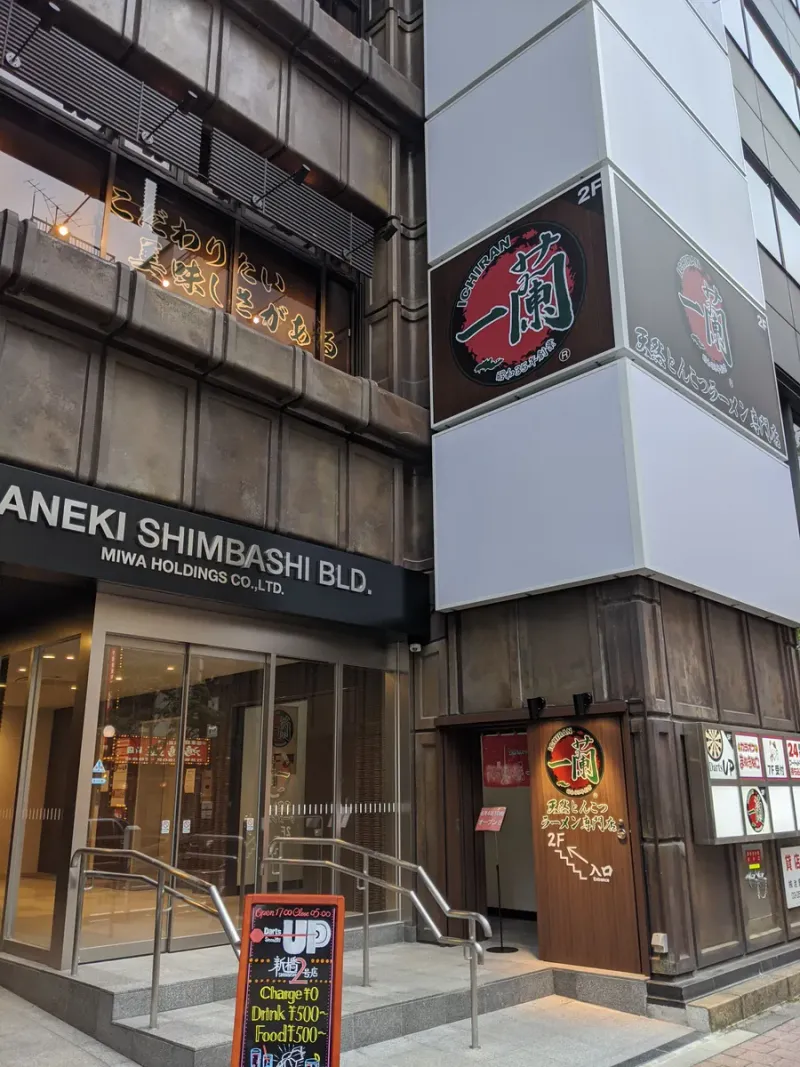
Ichiran is a chain, and some ramen purists will roll their eyes. Ignore them. The tonkotsu broth is genuinely good, the solo-booth concept is one of the most uniquely Tokyo dining experiences you can have, and two full bowls with extras will run you about ¥2,000. That’s two meals’ worth of food for roughly $13.

The Shimbashi branch is open 24 hours, which makes it the best late-night cheap eat in Tokyo. You fill out a preference card before ordering: broth richness, garlic level, spice, noodle firmness. The food arrives through a bamboo curtain. You eat in your own private booth. Nobody watches you slurp. It’s introvert paradise. The extra chashu pork and ajitama (seasoned egg) are worth adding. If you’re jet-lagged and starving at 2 AM, this is where you go.

Ichiran Shimbashi
5

Ichiran Shimbashi

restaurant Shimbashi $$
4.2 Google 30-45 mins 2-5-6 Shinbashi, Minato City, Tokyo
  • Iconic solo-booth ramen experience with complete privacy
  • Customizable tonkotsu ramen with preference cards
  • Open 24 hours, perfect for late-night cravings
Tip

Use the preference card to set broth richness, spice, and garlic. Order extra chashu and the ajitama egg.

"Reviewers consistently praise the high-quality, customizable tonkotsu ramen. The unique individual partitioned stalls offer privacy. Food is served through a window."

6. Bura Bura Abura Soba

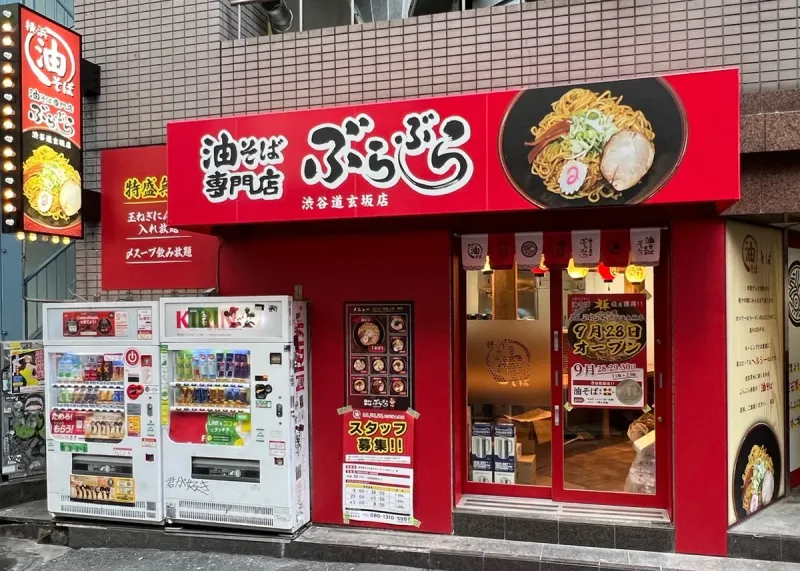
Abura soba is ramen’s lesser-known sibling, and once you try it you’ll wonder why it doesn’t get more attention. There’s no broth. Instead, thick chewy noodles sit in a sauce made from flavored oil, soy, and vinegar that you mix together yourself. It’s intense, savory, and deeply satisfying in a different way from soup-based ramen.

Bura Bura in Shibuya does it particularly well, and here’s the best part: medium, large, and extra-large are all the same price, around ¥900. So you order the XL. Everyone does. The noodles have a satisfying chew that holds up against the rich sauce, and when you’re done, you can add hot water to the remaining sauce at the bottom of the bowl to make a quick soup. It’s like getting a bonus course for free. Fast turnover means short waits even during peak lunch hours.

Bura Bura Abura Soba
6

Bura Bura Abura Soba

restaurant Shibuya
4.7 Google 2-29-18 Dogenzaka, Shibuya, Tokyo
  • Delicious and unique soupless abura soba (oil-based noodles)
  • Budget-friendly with no price difference between sizes
  • Thick and chewy noodles with flavorful oil-based sauce
Tip

Order any size (M, L, XL) as there's no price difference. Add hot water at the end for a soup finish.

"Known for its delicious and unique soupless ramen with thick, chewy noodles paired with oil-based sauce. Budget-friendly with fast turnover."

7. GYOPAO Gyoza Roppongi

Roppongi is not typically where you go for cheap eats. It’s the nightlife district, full of overpriced bars and tourist-trap restaurants. GYOPAO is the exception. A plate of their pan-fried gyoza costs about ¥500, and these are some of the best dumplings in Tokyo. The bottoms are crispy and golden, the filling is juicy, and the wrappers have just enough chew.

Order the classic pan-fried to start, then branch out to the spicy mapo gyoza for contrast. A couple of plates of gyoza plus a beer will set you back maybe ¥1,500 total, which for Roppongi feels like stealing. It’s a casual spot, good for groups, and sits at a comfortable 4.8 rating from people who clearly keep coming back. If you’re in the area for nightlife, eat here first. Your wallet and your stomach will both thank you.

GYOPAO Gyoza Roppongi
7

GYOPAO Gyoza Roppongi

restaurant Roppongi
4.8 Google Roppongi, Minato City, Tokyo
  • Some of the best dumplings in Tokyo
  • Creative gyoza variations beyond the classic
  • Casual Roppongi spot great for groups
Tip

Order the signature pan-fried gyoza and the spicy mapo gyoza for contrast.

"GYOPAO Gyoza Roppongi serves some of the best dumplings in Tokyo. Reviewers highlight the perfectly crispy pan-fried gyoza, creative variations, and the lively atmosphere."

8. BeBu-Ya

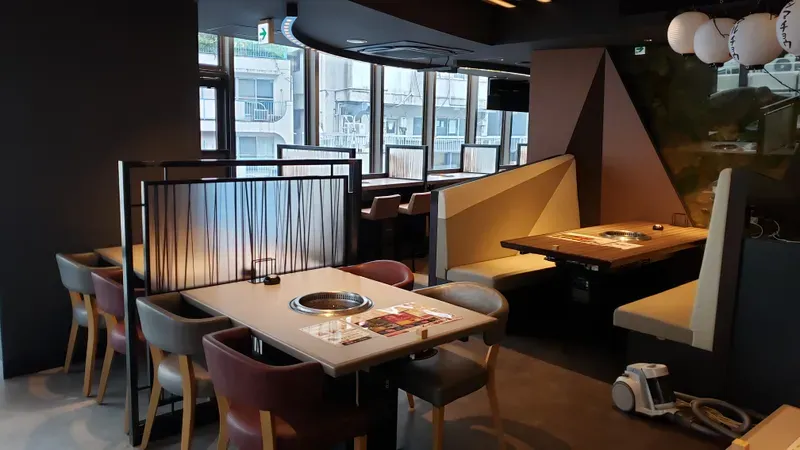
This is the most expensive entry on the list, but hear me out: all-you-can-eat A4 wagyu beef for ¥5,000 is, by any rational measure, absurdly cheap. That’s about $33 for 90 minutes of grilling some of the best beef in the world. In London or New York, a single wagyu steak would cost three times that.

BeBu-Ya in Shibuya runs a slick operation. You order from a QR code at your table, the meat arrives in waves, and the quality is genuinely impressive for an all-you-can-eat setup. This is not the thin, pre-frozen strips you might expect. The A4 wagyu has visible marbling and melts on the grill. The ¥5,000 course is the sweet spot for value. Higher tiers exist at ¥6,500 and ¥8,200 if you want even more cuts, but the base level is more than enough food. Book ahead for weekends.

BeBu-Ya
8

BeBu-Ya

restaurant Shibuya $$
4.8 Google Shibuya, Tokyo
  • All-you-can-eat A4 wagyu yakiniku from ¥5,000
  • 90-minute sessions with QR code ordering
  • Multiple courses from ¥5,000 to ¥8,200
Tip

Book ahead, especially weekends. The A4 wagyu course at ¥5,000 is the sweet spot for value.

"Reviewers consistently praise BeBu-Ya for its exceptional all-you-can-eat Japanese BBQ with high quality wagyu beef at surprisingly affordable prices."

9. Tsukiji Outer Market

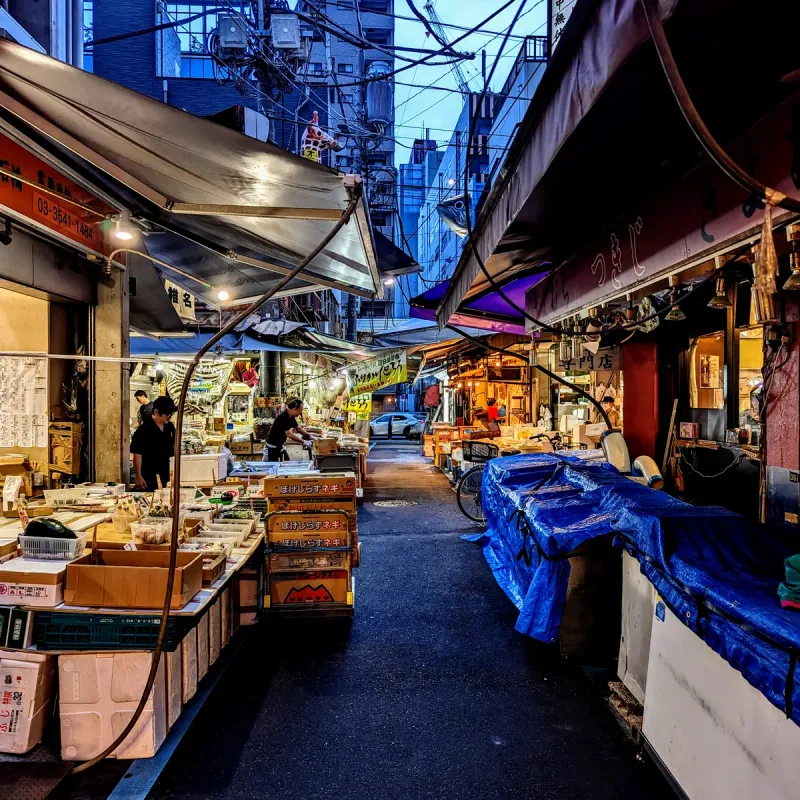
Yes, the wholesale fish market moved to Toyosu. No, that doesn’t matter for your purposes. The outer market at Tsukiji is still very much alive, still packed with food stalls, and still one of the best places in Tokyo to eat cheap and eat well. Most items run ¥300-800. Grilled scallops on the half shell, tamagoyaki (sweet egg omelet) on sticks, fresh sashimi bowls, croquettes, mochi, grilled seafood skewers. You graze your way through and somehow spend less than you would on a single restaurant meal.

Get there early, ideally before 9 AM. The stalls are freshest in the morning and some start closing by early afternoon. The etiquette is to eat standing and near where you bought the food. Don’t walk and eat. Do the full circuit first to see what catches your eye, then loop back. The smaller side streets off the main drag tend to have better finds and shorter queues.

Tsukiji Outer Market
9

Tsukiji Outer Market

attraction Ginza
4.2 Google 4-16 Tsukiji, Chuo City, Tokyo
  • Street food paradise with fresh sushi, grilled seafood, and tamagoyaki
  • Authentic cultural experience where tradition meets everyday Tokyo life
  • Free to explore, with food stalls at every turn
Tip

Visit early morning for the freshest food. Many stalls close by early afternoon. Eat standing, it's the norm.

"Tsukiji Outer Market is a food lover's paradise with street food and local delicacies at every turn. Visit early morning for the freshest offerings."

10. Nakamise Shopping Street

Nakamise is the long, colourful shopping street that leads up to Senso-ji temple in Asakusa. It’s touristy, yes. The souvenir shops can feel repetitive. But the street food is genuinely cheap and genuinely good. Ningyoyaki (small custard-filled cakes shaped like temple bells and lanterns) cost about ¥100-200. Beef croquettes run ¥300. Melon pan, rice crackers, matcha soft serve, dango on sticks. Most snacks fall in the ¥100-500 range.

The trick is to duck into the smaller side streets that branch off Nakamise. They’re quieter, less crowded, and often have better food at lower prices. The main drag gets packed between 11 AM and 3 PM, so either come early morning (pair it with Asakusa Chicken, which is nearby and opens at 9 AM) or late afternoon when the crowds thin out. You won’t have a single “meal” here so much as a rolling series of small, cheap, delicious snacks. Which, honestly, is one of the best ways to eat in Tokyo.

10

Nakamise Shopping Street

attraction Asakusa
4.3 Google 30-60 mins 1-36-3 Asakusa, Taito City, Tokyo
  • Historic shopping street leading to Senso-ji temple
  • Street food like beef croquettes and melon pan
  • Traditional souvenirs and crafts at every stall
Tip

Visit before 11 AM or after 3 PM to avoid the worst crowds. Try the ningyoyaki (custard-filled cakes).

"A lively historic shopping street rich in culture, offering unique souvenirs, street food, and an authentic Japanese atmosphere."

11. ANAKUMA CAFE Harajuku

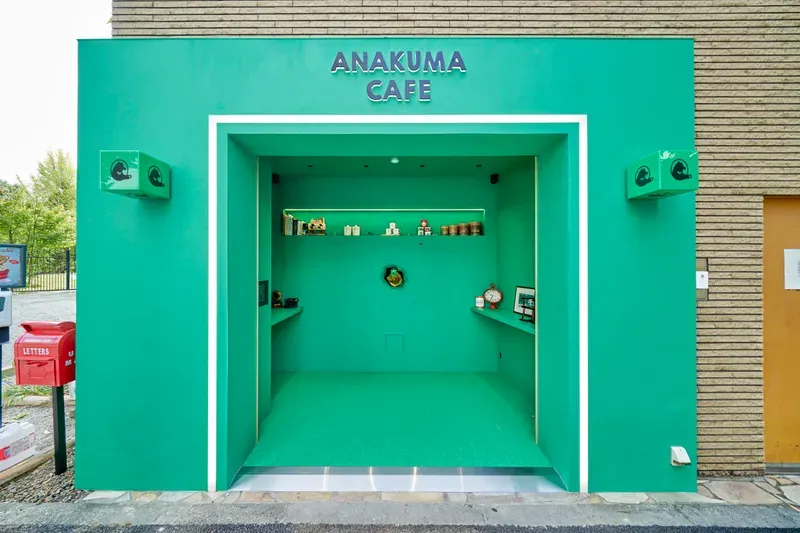
This one is more about the experience than the food, but the prices are right and the vibes are undeniable. ANAKUMA is a bear-themed cafe in Harajuku where your drink is served through a small hole in the wall by a fuzzy bear paw. That’s it. That’s the concept. And somehow it works.

Drinks and snacks run ¥500-900, which is standard Harajuku cafe pricing. The latte is solid, nothing extraordinary but perfectly drinkable. The real value is the photo you’ll get of a bear arm handing you a cup through a wall, which is the sort of thing that only happens in Tokyo. It’s a quick stop, not a sit-down meal, and it pairs well with a wander down Takeshita Street. Cheap, cheerful, and memorably weird.

ANAKUMA CAFE Harajuku
11

ANAKUMA CAFE Harajuku

restaurant Harajuku
4.8 Google Harajuku, Shibuya, Tokyo
  • Bear-themed cafe where drinks are served through a hole in the wall by a bear paw
  • Affordable drinks and snacks in the ¥500-900 range
  • Unique photo opportunity in Harajuku
Tip

The bear paw that serves your drink through the wall is the main draw. Get the latte.

"A fun, quirky cafe in Harajuku where a bear paw reaches through a hole in the wall to serve your drinks. Charming and affordable."

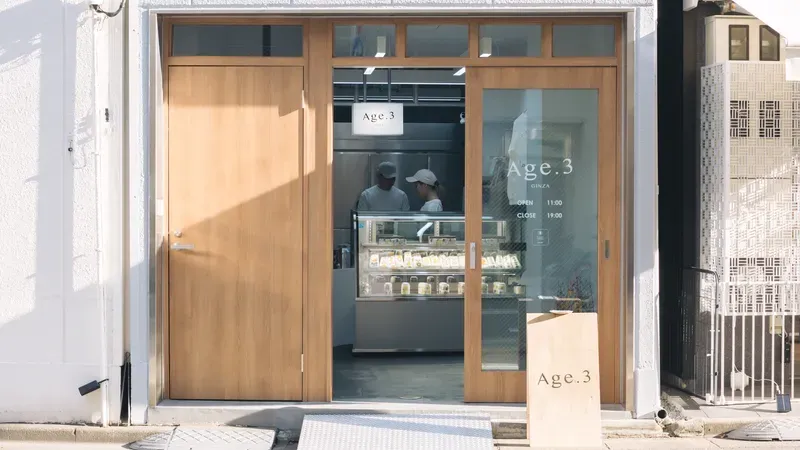
12. Age.3 GINZA

Ginza’s second budget entry on this list, because the neighbourhood is full of surprises if you know where to look. Age.3 is a small tempura counter that serves crispy, freshly fried items at prices that feel completely out of step with its postcode. The tempura is light, crunchy, and served the moment it leaves the oil. Counter seating means fast turnover and no reservations needed.

It’s the kind of place where salarymen pop in for a quick lunch and leave satisfied without checking their bank balance. At 4.8 stars, the locals clearly agree. If you’re in the Ginza area after hitting Tsukiji Outer Market or Ginza Kagari and want one more cheap, excellent bite, this is a strong finish.

Age.3 GINZA
12

Age.3 GINZA

restaurant Ginza
4.8 Google Ginza, Chuo City, Tokyo
  • High-quality tempura at budget-friendly Ginza prices
  • Counter seating with fast turnover
  • Crispy, fresh-fried items served immediately
Tip

Try the specialty tempura and fried items. Quick counter service, no reservations needed.

"A small, highly-rated spot in Ginza serving fresh tempura and fried items at affordable prices. The quality-to-price ratio impresses visitors."

Beyond the List: Tokyo’s Budget Food Infrastructure

The 12 places above are specific recommendations, but Tokyo’s real superpower for cheap eating is the infrastructure that exists on practically every block. Three things to know about:

Gyudon chains are the backbone of budget Tokyo. Yoshinoya, Matsuya, and Sukiya have locations everywhere, they’re open long hours, and a beef bowl with miso soup costs about ¥500. Matsuya is slightly the best of the three. They’re not going to change your life, but they’re filling, consistent, and cheaper than cooking.

Konbini (convenience stores) in Japan are nothing like convenience stores anywhere else. 7-Eleven, Lawson, and FamilyMart stock fresh onigiri (¥120-200), egg sandwiches, bento boxes, fried chicken, and nikuman (steamed buns) that are genuinely good food. The Lawson egg sandwich is a minor cultural institution. A full konbini lunch costs ¥500-800 and you can eat it in a park, on a bench, or back at your hotel.

Standing soba shops are tucked into train stations across Tokyo. They serve fresh buckwheat noodles in hot broth for around ¥350-500. You eat standing at a counter, slurp your noodles in five minutes, and get on with your day. It’s fast food in the best sense. Look for them at major JR stations, especially Shinjuku and Tokyo Station.

And if you want a more curated grazing experience, seek out a depachika. These are the food halls in the basements of department stores like Isetan in Shinjuku or Mitsukoshi in Ginza. They sell beautifully packaged bento, wagyu croquettes, sushi rolls, pastries, and seasonal items at prices that feel reasonable given the quality. Many items get discounted 20-50% in the last hour before closing.

How to Budget a Day of Eating in Tokyo

A realistic budget day looks something like this: konbini onigiri and coffee for breakfast (¥400). A bowl of ramen for lunch (¥1,000). Tsukiji street food for an afternoon snack (¥500). Gyoza and a beer for dinner (¥1,500). That’s ¥3,400 total, roughly $22 USD, and you’ve eaten well at every meal.

If you want to go even cheaper, the gyudon-and-konbini route can get you through a full day for under ¥2,000. If you want to treat yourself, swap one meal for BeBu-Ya’s all-you-can-eat wagyu and your day still comes in under ¥8,000.

For more on where to eat when you’re ready to spend a bit more, check out our best restaurants in Tokyo guide, which covers everything from ¥900 ramen to omakase sushi. And if ramen is your thing (it should be), the best ramen in Tokyo guide goes deeper on the noodle scene.

Planning your trip to Tokyo? Save these places to your itinerary with Tourli, the app that turns travel guides into actionable day plans.

Frequently Asked Questions

How much does a meal cost in Tokyo on a budget?
You can eat incredibly well in Tokyo for very little. A bowl of excellent ramen costs ¥900-1,200 ($6-8 USD). Gyudon (beef bowl) chains like Yoshinoya, Matsuya, and Sukiya serve filling meals from ¥470-600. Street food at Tsukiji runs ¥300-800 per item. Convenience store onigiri cost ¥120-200. A full day of eating well can cost under ¥3,000 ($20 USD).
Is convenience store food in Tokyo actually good?
Yes, genuinely good. Japanese konbini (convenience stores like 7-Eleven, Lawson, and FamilyMart) stock fresh onigiri, sandwiches, bento boxes, nikuman (steamed buns), and fried chicken that would put most Western fast food to shame. The egg salad sandwiches at Lawson and the karaage at FamilyMart are legitimately delicious. Budget around ¥500-800 for a full meal.
Do I need to tip at restaurants in Tokyo?
No. Tipping is not practiced in Japan and will cause confusion. The price on the menu is the final price. Service charges are already built into bills at higher-end restaurants. Just say 'gochisousama deshita' (thank you for the meal) when you leave.
What are the cheapest areas to eat in Tokyo?
Asakusa has some of the most affordable street food, especially around Nakamise Shopping Street and Hoppy Street. Shinjuku's Omoide Yokocho (Memory Lane) has yakitori skewers from ¥100-150 each. Shibuya has excellent budget ramen and abura soba shops. And Tsukiji Outer Market offers street food from ¥300 per item. Anywhere you see salarymen queuing at lunch is usually cheap and good.

More Tokyo Guides

3-Day Tokyo Itinerary (2026)

Itinerary

Three days, three pairs of neighbourhoods. This itinerary groups Tokyo by geography so you spend less time underground and more time eating, photographing, and getting properly lost.

14 places 3 days

5-Day Tokyo Itinerary (2026)

Itinerary

Five days, five neighbourhoods. This itinerary groups Tokyo by geography so you spend less time on trains and more time eating, exploring, and getting lost in the right way.

25 places 5 days

Things to Do in Asakusa, Tokyo (2026 Neighbourhood Guide)

Guide

Asakusa is Tokyo at its most traditional. While most of the city rebuilt itself into glass and steel after the war, this neighbourhood held onto its wooden shopfronts, its temple rituals, and its open-air drinking culture. Senso-ji has been standing here since the seventh century. Nakamise has been selling rice crackers and souvenirs since the Edo period. And Hoppy Street has been serving cheap beer alternatives to salarymen since the 1940s. It's the part of Tokyo that still feels like old Tokyo, and it's one of the few neighbourhoods where you can spend an entire day without running out of things to see, eat, and do.

13 places

Best Breakfast in Tokyo (2026) - From 6AM Sushi to Kissaten Toast

Vibe

Tokyo is one of the few cities where eating sushi at 6 AM is completely normal. Breakfast here spans everything from a three-piece sashimi set at a Tsukiji fish stall to a ¥500 kissaten morning set with toast so thick it could double as a pillow. This guide covers 11 ways to start your day, from the traditional to the trendy.

11 places

11 Best Brunch Spots in Tokyo (2026)

Vibe

Tokyo takes breakfast seriously, just not in the way you might expect. The city runs on kissaten morning sets, fluffy souffle pancakes that take 20 minutes to cook, and hotel buffets that could double as Michelin-level tasting menus. This guide covers all of it.

11 places

15 Best Cafes in Tokyo (2026)

Guide

Tokyo has over 550 cafes in our database alone, ranging from century-old kissaten to cafes where a capybara sits in your lap. These 15 cover matcha specialists, third-wave roasters, themed experiences, and traditional tea shops.

15 places

Save these places to your Tokyo trip

Tourli turns travel guides into actionable day plans. Save places, get walking directions, and share your itinerary — all in one app.