10 Best Yakitori in Tokyo (2026)
Yakitori is one of Tokyo's great culinary traditions, and the gap between a good yakitori restaurant and a great one is enormous. These 10 spots cover everything from Michelin-starred omakase counters to smoky standing bars in Shinjuku's memory lane.
Best Yakitori in Tokyo
There is a particular kind of restaurant in Tokyo where a single person stands behind a narrow charcoal grill, threading chicken onto bamboo skewers with the focus of a surgeon, and turning out food so good that people queue for an hour to sit on a stool for forty minutes. That is yakitori. And Tokyo does it better than anywhere else on earth.
Yakitori literally means “grilled bird,” and in its simplest form it’s chicken parts threaded onto skewers and cooked over binchotan, a dense white charcoal that burns incredibly hot with almost no smoke. The best yakitori chefs can work a grill of thirty skewers at once, each cut requiring different timing, different heat, different attention. A chicken heart needs seconds. A thigh wrapped around leek needs a full minute of careful rotation. Skin needs to be cooked slowly until every last bit of fat renders out and the surface shatters like glass.
The two main ways to eat yakitori in Tokyo are omakase and a la carte. At high-end counters, you sit down and the chef serves a progression of skewers, usually starting with lighter cuts (breast, sasami) and building toward richer ones (liver, heart, tail), finishing with a rice dish or chicken soup. This is the yakitori equivalent of a sushi omakase, and the best versions cost ¥10,000-15,000, which is still a fraction of what a comparable sushi experience runs. At more casual places, you just point at a menu and order whichever cuts sound good. Both approaches have their merits. Omakase forces you to try things you’d never pick yourself. A la carte lets you order six tsukune in a row because you can.
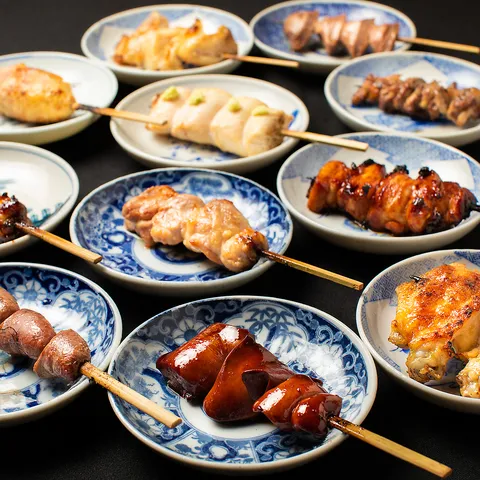
The cuts worth knowing: negima is thigh meat alternating with leek, the canonical yakitori order. Tsukune is a chicken meatball, often served with a raw egg yolk for dipping. Kawa is skin, and when it’s done right it should shatter. Hatsu is heart, surprisingly tender and mineral. Sunagimo is gizzard, chewy in a good way. Bonjiri is the tail, rich with fat. Chochin is the holy grail for adventurous eaters: an unlaid egg still attached to the ovary, grilled until the yolk is just set. Not every restaurant serves it, but the ones that do are worth seeking out.

1. Yakitori Omino
If you want the single best yakitori experience in Tokyo and you can get a reservation, this is it. Chef Omino trained for six years under Ikegawa Yoshiteru at Torishiki, widely considered the greatest yakitori restaurant in Japan, and then opened his own place near Tokyo Skytree. The format is omakase: you sit at the counter, and skewers keep arriving until you say stop. What makes Omino special is the range of cuts. You’ll eat hatsumoto (the main artery), neck skin, and other parts that most restaurants don’t bother with because they’re difficult to prepare. Each piece is grilled over binchotan charcoal from Wakayama Prefecture, and the precision is remarkable. The tofu skewer, of all things, is one of the dishes people talk about most. Finish with the oyakodon or chazuke rice bowl. One Michelin star, and most regulars think a second is overdue. Reserve online the moment bookings open for the month.

Yakitori Omino
- Chef trained under legendary Torishiki master Ikegawa
- Rare cuts like hatsumoto (aorta) and neck skin you won't find elsewhere
- Michelin-starred omakase yakitori near Tokyo Skytree
Book online as soon as reservations open for the month. They fill up fast.
"A Michelin-starred yakitori restaurant where skewers keep coming until you say stop. The chef trained at Torishiki and brings the same dedication to rare chicken cuts grilled over binchotan charcoal."
2. Hinotori
Hinotori sources Daisen chicken daily from Tottori Prefecture, which is the kind of detail that separates a good yakitori restaurant from a great one. Daisen chickens are raised in the foothills of Mount Daisen with more space and cleaner air than factory birds, and you can taste the difference in the flavor and texture of every skewer. The restaurant sits in the quieter Nishi-Shinjuku area, away from the neon chaos of Kabukicho, and the vibe is lively izakaya rather than hushed omakase counter. What really sets Hinotori apart is the Sake Master-certified manager who pairs drinks with your food. Most yakitori places serve beer and leave it at that. Here, you’ll get a different sake with your liver than with your tsukune, and it genuinely makes each skewer taste better. The egg yolk with minced chicken is the dish reviewers bring up most. If you’re exploring our Shinjuku guide, this is a strong dinner option on the west side of the station.

Hinotori
- Premium Daisen chicken sourced daily
- Sake Master-certified manager pairs drinks with each course
- Lively atmosphere in Nishi-Shinjuku
Reserve ahead. The chef sources fresh Daisen chicken daily from Tottori Prefecture.
"A popular yakitori spot in Shinjuku where the chef grills premium Daisen chicken over charcoal. The Sake Master-certified manager curates excellent pairings."
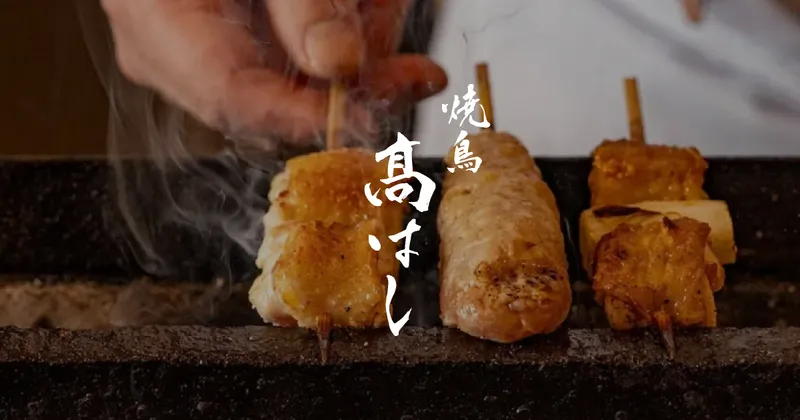
3. Yakitori Takahashi
This Nihonbashi restaurant is part of the Torishiki lineage, meaning the chef trained under the same legendary Ikegawa who mentored Omino. The distinguishing feature here is the chicken itself. While most yakitori restaurants use standard broilers, Takahashi works with heritage breeds like Tanzawa Shigeroku gamecock and guinea fowl, birds with deeper flavor and firmer texture than anything you’ll find at a chain. The omakase course runs around ¥12,000 and progresses through grilled sasami with wasabi, crispy gizzard, perfectly charred hatsu, and a soul-warming chicken soup to close. The seseri (neck meat) has a wonderful chew. The negima comes off the grill juicy and slightly smoky. If Omino is the Torishiki disciple for rare cuts, Takahashi is the one for rare breeds.

Yakitori Takahashi
- Part of the Torishiki lineage of elite yakitori
- Uses heritage breeds like Tanzawa gamecock and guinea fowl
- Omakase course with rare cuts and chicken soup to finish
Make reservations well in advance. Try the omakase course at ¥12,000 for the full experience.
"A Nihonbashi yakitori restaurant using high-quality heritage chicken breeds. Part of the Tori Shiki lineage, it serves exceptional grilled sasami with wasabi, crispy gizzard, and a soul-warming chicken soup."
4. Toriki
Toriki holds a Michelin star and a Tabelog Bronze Award, which in Japan’s food world means more than most international accolades. The restaurant sits in Kinshicho, a working-class neighborhood east of central Tokyo that most tourists never visit, and that’s part of the appeal. This is where locals eat serious yakitori. The chef personally grills every single skewer, which means service can be slow, but also means nothing leaves the grill unless it’s exactly right. The tsukune here is some of the best in Tokyo, dense and savory with a perfect char. The liver is creamy and cooked just past raw. Order the chochin separately if it’s available because it won’t be on the standard omakase progression. The chicken sashimi, if you’re comfortable eating raw poultry (it’s safe in Japan when sourced properly), is startlingly good. Intimate room, friendly chef, and the kind of food that makes you rethink what chicken can be.
Toriki
- Michelin-starred yakitori in Kinshicho
- Incredibly fresh chicken with standout tsukune and liver
- Intimate counter seating with English-friendly service
Arrive on time. The chef cooks everything personally and punctuality matters.
"A Michelin-starred yakitori restaurant known for incredibly fresh chicken. The tsukune and liver skewers are standouts. Intimate atmosphere with a friendly chef who personally grills every skewer."
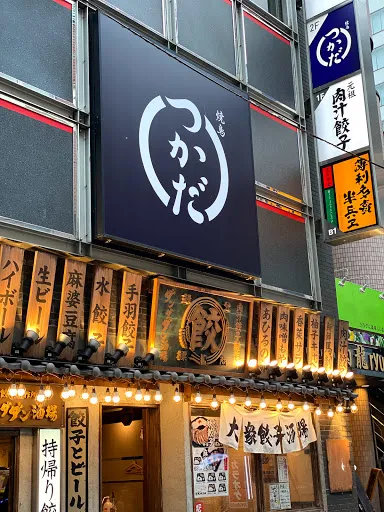
5. Yakitori Tsukada Shibuya
If you want the yakitori experience as a proper multi-course dinner rather than a casual skewer session, Tsukada in Shibuya delivers. The format is a tasting menu, which is unusual for yakitori, and the chef works through multiple cooking techniques across the courses. You’ll see grilling, obviously, but also deep-frying, searing, and slow-cooking, all applied to different parts of the bird. The counter seats are the ones to grab. From there you’ll watch the chef work the charcoal grill at close range, and on busy nights the occasional fireball erupts when fat hits the coals. Staff speak English and explain each dish in detail, which helps when you’re eating parts of a chicken you didn’t know existed. Slightly higher price point than a casual yakitori bar, but you’re paying for technique and presentation alongside genuinely good grilled chicken.

Yakitori Tsukada Shibuya
- Elevated yakitori tasting menu with multiple cooking techniques
- Counter seating with occasional fireballs from the grill
- English-speaking staff with detailed dish explanations
Sit at the counter for the best view of the chef grilling over charcoal.
"A high-end yakitori restaurant in Shibuya serving a tasting menu format. The chef grills at the counter with skill and occasional showmanship. Staff speak English and explain each course thoroughly."
6. Yakitori Toriyoshi Nakameguro
Toriyoshi is the yakitori restaurant that locals actually eat at on a Tuesday night. No reservations, no omakase ritual, no fuss. You walk in, grab a counter seat if one’s free, pick skewers from a bilingual menu, and watch the chef char them over binchotan at arm’s length. The vibe is casual and slightly rowdy, with a mix of Nakameguro locals and tourists who found it on Tabelog. What keeps people coming back is the charcoal flavor. The liver has an amazing charred exterior. The chicken thigh is juicy with a smoky crust. The grilled leek, which sounds like an afterthought, is somehow one of the best things on the menu. Nakameguro is a lovely neighborhood to wander before dinner, full of small shops and cafes along the canal. Toriyoshi fits the area perfectly: unpretentious, delicious, and the kind of place where you end up staying longer than planned because you keep ordering “just one more.”

Yakitori Toriyoshi Nakameguro
- Charcoal-grilled skewers with amazing charred flavor
- No-fuss ordering with bilingual menu
- Beloved by locals and visitors in trendy Nakameguro
No reservations. Arrive before peak hours or on weekdays. Counter seats are best.
"A charming casual yakitori restaurant near Nakameguro Station with excellent liver, chicken thigh, and grilled leek. English-speaking staff and a lively atmosphere."
7. Yakitori Sei
Tucked into the quiet backstreets of Arakicho, a few minutes from Yotsuya-Sanchome Station, Yakitori Sei feels like a secret. Chef Takuma runs an intimate counter with limited seats and serves an omakase progression that goes beyond standard yakitori. You’ll get the expected skewers, but also creative additions like smoked duck and beautifully seasoned grilled tomatoes that act as palate cleansers between richer cuts. The homemade plum wine is dangerously good and pairs well with the fattier skewers. Arakicho itself is worth exploring, a pocket of old Tokyo with narrow lanes, tiny bars, and very few tourists. The setting matches the food: quiet, thoughtful, a little bit special. Book ahead because the counter fills easily, and mention any dietary restrictions when you reserve.

Yakitori Sei
- Intimate omakase yakitori from Chef Takuma
- Creative touches like smoked duck and homemade plum wine
- Beautiful, quiet setting in the Arakicho backstreets
Reserve in advance for the limited counter seats. Mention dietary restrictions when booking.
"An intimate omakase yakitori restaurant in Shinjuku's quiet Arakicho neighborhood. Chef Takuma serves juicy, well-flavored skewers alongside creative dishes like smoked duck."
8. Shinjuku no Kemuri
The name translates to “Shinjuku Smoke,” which tells you everything about the atmosphere. This Kabukicho izakaya is the spot for adventurous eaters who want to try the cuts that most tourist-friendly restaurants leave off the menu. The chochin (an unlaid egg still attached to the ovary) is the signature order, and it’s genuinely delicious once you get past the description. The bar seating lets you watch the chef work the grill, and the staff are happy to recommend rare items. Prices are surprisingly reasonable for central Shinjuku. What’s unusual is that they also offer vegetarian yakitori options alongside the chicken, which is almost unheard of at traditional yakitori bars. The crowd skews young and local, the atmosphere is chill, and the limited seating means you should reserve. It’s a short walk from the Shinjuku guide spots.

Shinjuku no Kemuri
- Rare cuts including chochin (ovary) that most places don't serve
- Fresh ingredients with great seasoning at reasonable prices
- Vegetarian yakitori options alongside chicken skewers
Reserve due to limited seating. Ask about rare cuts like the chochin (ovary with egg yolk).
"A hidden gem in Kabukicho offering rare yakitori cuts like chochin. Fresh ingredients, reasonable prices, and a young, relaxed vibe."
9. Torigin Honten
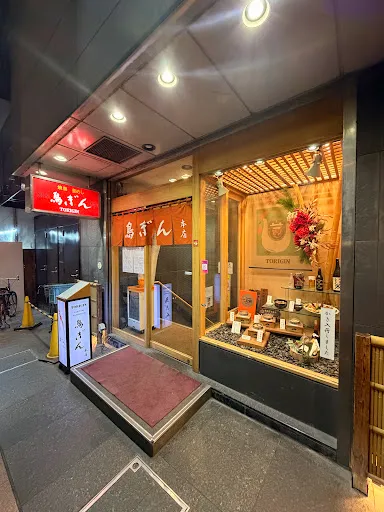
If you’re looking for yakitori in Ginza without the Ginza price tag, Torigin Honten is the answer. This is a no-nonsense, high-volume yakitori restaurant that’s been feeding the Ginza office crowd for decades. The play here is the 14-stick special set, which gives you a broad tour of classic cuts, from tender thigh and juicy negima to crispy skin and savory liver, at a price that would barely cover two skewers at the fancier places. But the real reason people keep coming back is the clay pot chicken rice, called kamameshi. It arrives bubbling and fragrant, and the crispy rice at the bottom of the pot is the best part. The English-friendly staff make ordering easy, and the portions are generous. Not a place for a special occasion, but absolutely the place for a satisfying, affordable yakitori dinner in central Tokyo. See our Tokyo restaurant guide for more options in the Ginza area.

Torigin Honten
- 14-skewer set for a broad tasting at a reasonable price
- Famous clay pot chicken rice (kamameshi) to finish
- Central Ginza location with English-friendly staff
Order the 14-stick special set for the best variety. The clay pot rice is a must.
"A Ginza yakitori stalwart serving tender chicken skewers, crispy skin, and a beloved clay pot rice with chicken. The 14-stick special set offers great variety."
10. Asakusa Chicken
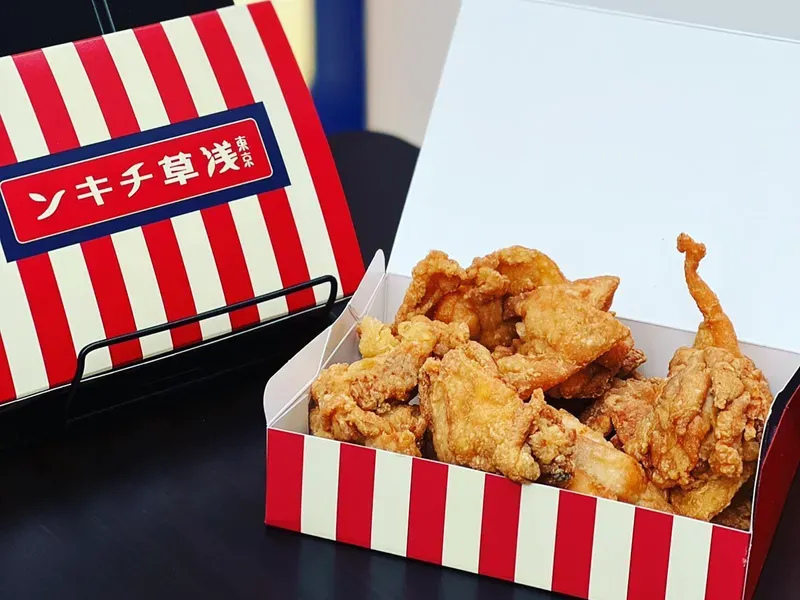
This one is technically karaage (fried chicken) rather than yakitori (grilled chicken), but any guide to Tokyo’s best chicken would be incomplete without it. Asakusa Chicken is a tiny street-side stall near Senso-ji that fries nugget-sized pieces of chicken to order using a family recipe. They come out blazing hot with a shatteringly crisp coating and juicy interior, and they cost almost nothing. You eat them standing at a little counter out front with a cold beer in your other hand, which at 9 AM on a Tuesday morning near a temple is a perfectly acceptable thing to do in Tokyo. The crab cream croquettes are also worth ordering. Cash only, no English menu needed because there are about four things to choose from. It opens at 9 AM, which makes it a legitimate breakfast stop before exploring Asakusa.

Asakusa Chicken
- Award-winning chicken karaage cooked to order on a family recipe
- Opens at 9 AM near Senso-ji for a perfect morning snack
- Crab cream croquettes are a sleeper hit
Cash only. Visit early at 9 AM for freshly cooked chicken and shorter waits.
"A beloved Asakusa spot known for made-to-order chicken karaage. Not grilled yakitori, but essential for any Tokyo chicken lover."
Where to Find Yakitori in Tokyo: The Key Areas
Beyond individual restaurants, some neighborhoods are practically synonymous with yakitori culture.
Omoide Yokocho (Memory Lane), Shinjuku is the most famous yakitori alley in Tokyo. Tucked under the train tracks near the west exit of Shinjuku Station, this narrow warren of tiny stalls has been serving smoke-drenched skewers since the post-war years. Most stalls seat 6-8 people on stools at a counter. You’ll smell the charcoal before you see it. The food ranges from excellent to merely fine, but the atmosphere is unbeatable. Go after dark when the lanterns light up and the smoke curls through the alleys.
Yurakucho and Shinbashi have their own yakitori alley under the train tracks, locally called the “Gado-shita” (under the girders). The crowd here is almost entirely salarymen loosening their ties after work, and the skewers are cheap, fast, and surprisingly good. Less touristy than Omoide Yokocho and just as atmospheric.
Kinshicho and the eastern wards (Sumida, Koto) are where serious yakitori enthusiasts make pilgrimages. This is where Toriki and Torisawa operate, far from tourist routes, serving customers who know exactly which cut they want and how they want it seasoned.
Nakameguro offers a more relaxed, neighborhood feel. Toriyoshi anchors the area for yakitori, and the canal-side streets make for a pleasant pre-dinner walk.
Tips for First-Time Yakitori Eaters
Seasoning is binary: shio (salt) or tare (a sweet soy glaze). Most chefs have strong opinions about which seasoning suits which cut. At omakase restaurants, the chef decides. At a la carte places, if you’re unsure, ask the chef. Generally, fattier cuts like skin and tail take tare well, while leaner cuts like breast and heart shine with just salt.
Don’t fill up on the first three skewers. Yakitori portions are small by design, and a proper session involves 8-15 skewers over the course of an hour. Pace yourself and order a few at a time.
Drink beer or highball (whisky soda) with yakitori. Both cut through the char and fat perfectly. At higher-end places, sake and natural wine pairings are increasingly common and worth trying.
Eating at the counter is almost always better than a table. You’ll watch the chef work, get your skewers seconds off the grill, and often receive better service.
Frequently Asked Questions
What is the difference between omakase and a la carte yakitori?
How much does yakitori cost in Tokyo?
Do I need reservations for yakitori in Tokyo?
What are the best yakitori cuts to try?
More Tokyo Guides
3-Day Tokyo Itinerary (2026)
ItineraryThree days, three pairs of neighbourhoods. This itinerary groups Tokyo by geography so you spend less time underground and more time eating, photographing, and getting properly lost.
5-Day Tokyo Itinerary (2026)
ItineraryFive days, five neighbourhoods. This itinerary groups Tokyo by geography so you spend less time on trains and more time eating, exploring, and getting lost in the right way.
Things to Do in Asakusa, Tokyo (2026 Neighbourhood Guide)
GuideAsakusa is Tokyo at its most traditional. While most of the city rebuilt itself into glass and steel after the war, this neighbourhood held onto its wooden shopfronts, its temple rituals, and its open-air drinking culture. Senso-ji has been standing here since the seventh century. Nakamise has been selling rice crackers and souvenirs since the Edo period. And Hoppy Street has been serving cheap beer alternatives to salarymen since the 1940s. It's the part of Tokyo that still feels like old Tokyo, and it's one of the few neighbourhoods where you can spend an entire day without running out of things to see, eat, and do.
Best Breakfast in Tokyo (2026) - From 6AM Sushi to Kissaten Toast
VibeTokyo is one of the few cities where eating sushi at 6 AM is completely normal. Breakfast here spans everything from a three-piece sashimi set at a Tsukiji fish stall to a ¥500 kissaten morning set with toast so thick it could double as a pillow. This guide covers 11 ways to start your day, from the traditional to the trendy.
11 Best Brunch Spots in Tokyo (2026)
VibeTokyo takes breakfast seriously, just not in the way you might expect. The city runs on kissaten morning sets, fluffy souffle pancakes that take 20 minutes to cook, and hotel buffets that could double as Michelin-level tasting menus. This guide covers all of it.
15 Best Cafes in Tokyo (2026)
GuideTokyo has over 550 cafes in our database alone, ranging from century-old kissaten to cafes where a capybara sits in your lap. These 15 cover matcha specialists, third-wave roasters, themed experiences, and traditional tea shops.
Save these places to your Tokyo trip
Tourli turns travel guides into actionable day plans. Save places, get walking directions, and share your itinerary — all in one app.