8 Best Self-Guided Walks in Tokyo (2026 Neighbourhood Routes)
Tokyo is a city built for walking, even if it doesn't always look like it on the map. The train system is so efficient that most visitors never think to go on foot between neighbourhoods. That's a mistake. Some of the best things about this city only reveal themselves at walking speed: the tiny shrine tucked between two apartment blocks, the smell of freshly grilled rice crackers on a shopping street, the sudden moment when a concrete canyon opens up into a riverside lined with cherry trees. These eight routes cover the full range, from centuries-old temple districts to vintage shopping streets to the kind of waterfront walk that makes you forget you're in a megacity of 14 million people.
Best Self-Guided Walks in Tokyo
Tokyo’s train system is so absurdly good that most visitors forget the city has pavements. You tap your Suica card, disappear underground, pop up in a new neighbourhood, and never see what’s between point A and point B. That’s convenient, sure, but it means you miss the bits that make Tokyo actually feel like a place: the alley shrines, the old ladies sweeping shopfronts at 6 AM, the sudden burst of pink cherry blossoms over a canal you didn’t know existed.
Walking is how you find the real city. Not the one on the tourist maps, but the one that lives in the gaps between stations. These eight routes take you through Tokyo’s most rewarding neighbourhoods on foot, from centuries-old temple districts where the Edo period never quite ended, to vintage shopping streets that feel more like Berlin than a megacity of 14 million. None of them require special gear or advance booking. Just comfortable shoes and a willingness to get slightly lost, which in Tokyo is never a bad thing.
For more ideas on what to do between walks, check out our full things to do in Tokyo guide.
1. Yanaka: Old Tokyo That Survived
Distance: ~3 km | Time: 2-3 hours with stops
Yanaka is the neighbourhood that the 20th century mostly forgot. While firebombing and postwar development flattened much of the city, this hilly district in the north survived largely intact. The streets are narrow, the buildings are low, and the pace is noticeably slower than anywhere else in central Tokyo. You’ll pass working Buddhist temples on nearly every block, hear wind chimes on front porches, and see cats sleeping on walls with the confidence of animals who know they own the place.
Start at Nippori Station (west exit) and head down Yanaka Ginza, a 170-metre shopping street crammed with around 60 tiny shops selling everything from croquettes to handmade wooden combs. This is not a tourist attraction dressed up as a shopping street. Locals actually buy their dinner here. Grab a menchi katsu (fried meat patty) from one of the stalls and eat it while walking downhill.
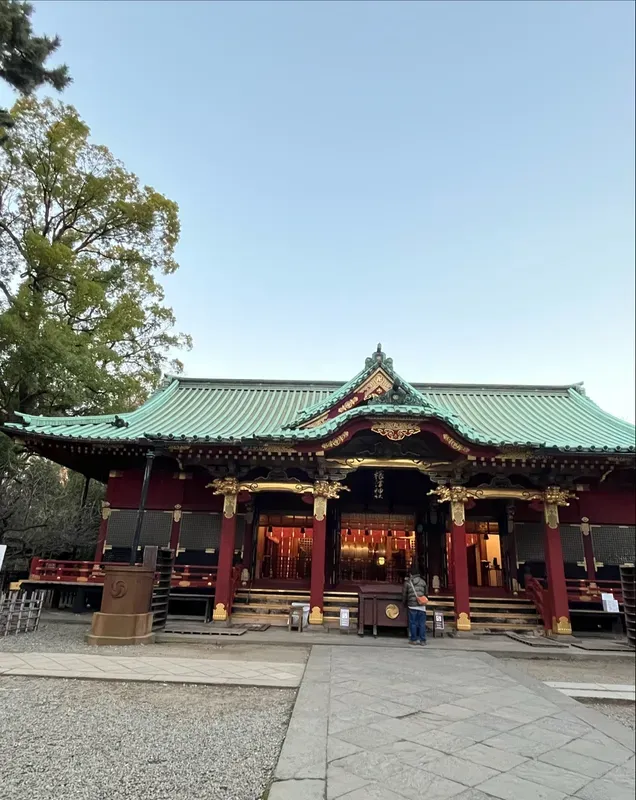
From Yanaka Ginza, weave through the back streets toward Yanaka Cemetery, a sprawling green space that doubles as one of Tokyo’s best cherry blossom spots in spring. The cemetery is also where Tokugawa Yoshinobu, the last shogun, is buried. Keep heading south through the residential lanes and you’ll reach Nezu Shrine, one of Tokyo’s oldest and most photogenic Shinto shrines. The tunnel of vermilion torii gates at the back feels like a miniature Fushimi Inari, minus the crowds. If you’re here in late April, the azalea festival carpets the hillside in pink and purple.

Nezu Shrine
- Vermilion torii gate tunnel reminiscent of Kyoto's Fushimi Inari
- One of Tokyo's oldest shrines with stunning azalea gardens
- Located in the charming old-town Yanaka district
Visit in late April for the azalea festival. The torii gate tunnel is at the back of the grounds.
"Nezu Shrine is a hidden gem with a stunning tunnel of red torii gates and beautifully maintained azalea gardens."
2. Shimokitazawa: Vintage, Vinyl, and Village Vibes
Distance: ~2 km | Time: 2-3 hours (you will browse)
Shimokitazawa is what happens when a Tokyo neighbourhood decides it wants to be a small town. The streets are too narrow for most cars, the buildings rarely go above two stories, and the general atmosphere is somewhere between a university campus and a flea market that never closes. This is Tokyo’s heartland for vintage clothing, independent record shops, and the kind of tiny cafes where the owner roasts beans in the corner and knows every regular by name.
Exit Shimokitazawa Station and just start wandering. That’s genuinely the best strategy here, because the layout is so tangled that trying to follow a fixed route will frustrate you. The vintage shops are concentrated along the main drag and the alleys branching off it. Expect to find everything from 1950s Americana to Y2K Japanese streetwear. Prices range from 800 yen for a no-name flannel to serious money for rare denim. The record stores stock vinyl you won’t find anywhere else in the city, heavy on Japanese indie, punk, and city pop.
Between shops, Shimokitazawa has one of the densest concentrations of good coffee per square metre in Tokyo. Pull up a stool at any place that looks busy. The food scene leans casual: curry shops, craft beer bars, and izakayas with handwritten menus. If you’re visiting on a weekend, check what’s playing at one of the live houses. Shimokitazawa’s live music scene has been producing bands for decades, and tickets are cheap.
3. Nakameguro: Cherry Blossoms and Canal-Side Cafes
Distance: ~2.5 km | Time: 1.5-2 hours
If you visit Tokyo between late March and mid-April, the walk along the Meguro River through Nakameguro is non-negotiable. Roughly 800 cherry trees line both banks of this narrow canal, their branches reaching toward each other across the water until they form a tunnel of pink overhead. In peak bloom, the petals fall like snow and carpet the river’s surface. It’s one of the most beautiful urban scenes in Japan, full stop.
But Nakameguro is worth visiting even when the trees are bare. The neighbourhood has the kind of quiet, design-conscious energy that attracts architects and creative types. The canal-side streets are lined with independent boutiques, specialty coffee shops, and restaurants that take their craft seriously. Onibus Coffee, a few minutes’ walk from the station, is one of the city’s best third-wave roasters. The backstreets are full of small galleries and concept stores.
Start at Nakameguro Station and walk south along the river. The best stretch is the first kilometre or so downstream, where the trees are thickest and the cafes cluster on both banks. Keep going and the crowd thins out as you approach Meguro Station. In cherry blossom season, the area gets extremely busy in the evenings when the lanterns come on, so mornings are better for a peaceful walk.
4. Asakusa to Tokyo Skytree Along the Sumida River
Distance: ~2 km | Time: 2-3 hours with temple stops
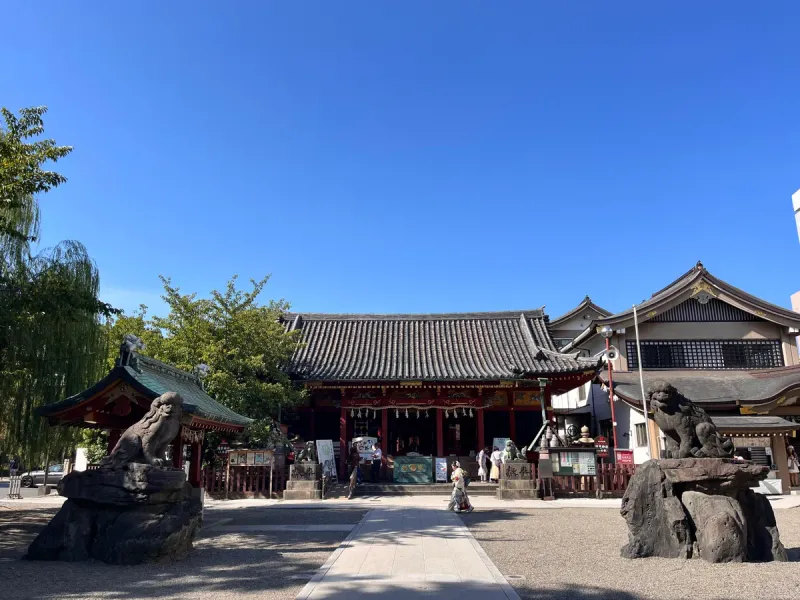
This is one of the most rewarding short walks in Tokyo, connecting the city’s oldest temple district with its newest landmark via a riverside promenade. Start at Senso-ji, where you should allow at least 30 minutes even if you’ve visited before. Walk through Nakamise Shopping Street to the main hall, then loop around to Asakusa Shrine next door, which most visitors skip entirely.
From the temple grounds, head east toward the Sumida River. Cross at Azumabashi Bridge, where the views are excellent: Tokyo Skytree rising on the left, the golden Asahi Beer Hall flame sculpture on the right (yes, that’s what it’s supposed to be). Walk north along the river’s east bank on the Sumida River Terrace. The path is flat, wide, and lined with benches. On a clear day, the Skytree grows larger with every step until you’re standing directly beneath it.
For a deeper look at the Asakusa end of this walk, including Hoppy Street and Kappabashi Kitchen Street, see our full Asakusa neighbourhood guide.

Senso-ji
- Tokyo's oldest temple, founded in 645 AD
- The iconic Kaminarimon thunder gate and giant red lantern
- Free entry with Nakamise shopping street leading to the main hall
Arrive before 7 AM to experience the grounds almost empty. The lanterns glow beautifully at dawn.
"Senso-ji is Tokyo's most visited temple, drawing 30 million visitors annually."

Asakusa Shrine
- Shinto shrine honouring the three founders of Senso-ji
- Host of the famous Sanja Matsuri festival each May
- Peaceful grounds away from the Senso-ji crowds
Right next to Senso-ji but much quieter. Visit during Sanja Matsuri in May for one of Tokyo's wildest festivals.
"Asakusa Shrine sits quietly beside Senso-ji. Most visitors walk right past it, which is a shame."
Nakamise Shopping Street
- One of Japan's oldest shopping streets, dating to the Edo period
- Traditional street food and handmade souvenirs
- The 250-metre approach to Senso-ji main hall
Try the melon pan, ningyo-yaki, and freshly grilled senbei rice crackers. Shops close around 5-6 PM.
"The 250-metre shopping street leading to Senso-ji is lined with over 50 stalls selling traditional snacks."
5. Harajuku to Shibuya: Forest, Fashion, and the Scramble
Distance: ~3.5 km | Time: 2-3 hours
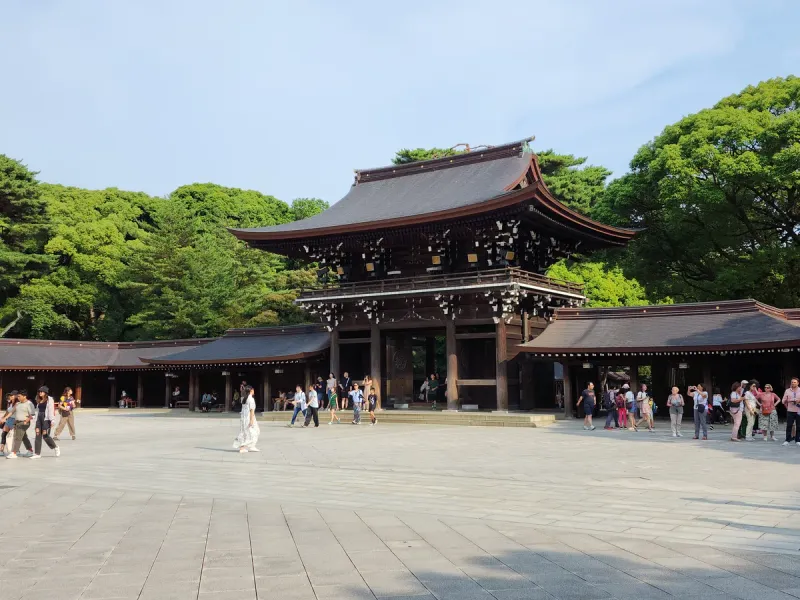
This walk connects two of Tokyo’s most iconic neighbourhoods through a forest that has no business existing in central Tokyo. Start at Harajuku Station and enter Meiji Jingu through the massive wooden torii gate. The 170-acre forest surrounding the shrine was planted in 1920 by volunteers who donated 100,000 trees from across Japan. A century later, it’s a fully mature forest with a canopy so thick you can’t hear the city outside. The walk to the shrine itself takes about 15 minutes on a wide gravel path, and the silence is almost disorienting after the sensory overload of Harajuku.
After the shrine, exit through Yoyogi Park, where on weekends you’ll find rockabilly dancers, drum circles, and picnicking families. Cross the park south toward Harajuku’s Takeshita Street, which is essentially the opposite of everything you just experienced: neon, crepes, crowds, and shops selling things you didn’t know existed. It’s chaotic and wonderful and worth 20 minutes of your time.
From Takeshita, head south along Cat Street (officially Ura-Harajuku), a tree-lined pedestrian lane with independent boutiques and concept stores. This eventually feeds into the back streets of Shibuya. Work your way toward Shibuya Crossing, the world’s busiest pedestrian intersection. Watch a few cycles from the Starbucks above or from the Shibuya Sky observation deck for the full effect. For more on Shibuya, see our complete Shibuya neighbourhood guide.

Meiji Jingu
- Tokyo's most important Shinto shrine, dedicated to Emperor Meiji
- 170-acre forest with 100,000 donated trees
- One of Japan's tallest torii gates at the entrance
Visit early morning for the most peaceful atmosphere. Combine with Yoyogi Park and Harajuku.
"Meiji Jingu offers a serene forest experience that feels impossible for central Tokyo."

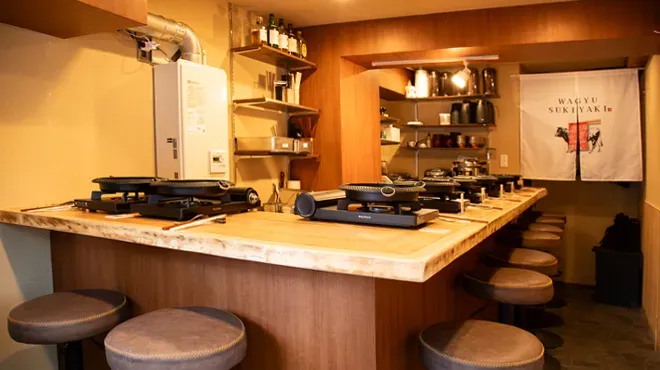
WAGYU SUKIYAKI GOKU Harajuku
- Exceptional A5 wagyu sukiyaki with melt-in-your-mouth beef
- Intimate and cozy setting in Harajuku
- Signature truffle rice with raw egg to finish
Make a reservation if possible. The raw egg and truffle rice finish is not to be missed.
"A cozy and intimate restaurant known for its exceptional A5 wagyu sukiyaki."
6. Imperial Palace Moat Loop
Distance: ~5 km | Time: 1-1.5 hours
The Imperial Palace moat loop is Tokyo’s most popular running route, but it works beautifully as a walk too. The 5 km circuit follows the massive stone walls and wide moats of the former Edo Castle, which served as the seat of the Tokugawa shoguns for 265 years before becoming the Imperial residence. The path is all pavement, completely flat, and dotted with drinking fountains and public toilets. The convention is to walk counterclockwise, which puts the moat on your right side.
Start at Tokyo Station’s Marunouchi exit and walk west toward the palace. The first section passes through manicured pine gardens with views across the moat to the palace watchtowers. Spring brings cherry blossoms to the Chidorigafuchi section on the northwest side, where you can rent rowboats and paddle beneath the overhanging branches. The east gardens are open to the public for free and contain the old castle foundations, which give a sense of how enormous the original Edo Castle complex was.
The whole loop takes about an hour at a comfortable pace. You’ll share the path with joggers, dog walkers, and salarymen on their lunch break. There are no vending machines or convenience stores along the route itself, so bring water. The best light for photography is early morning, when the moat reflects the sky and the stone walls glow warm.
7. Koenji: Thrift Shops, Vinyl, and Punk Rock Spirit
Distance: ~2 km | Time: 2-3 hours (browsing is the point)
Koenji is the neighbourhood that Shimokitazawa was before Shimokitazawa got popular. Located just two stops west of Shinjuku on the Chuo Line, it has the same ingredients (vintage shops, record stores, live music, cheap izakayas) with about a quarter of the tourists. The energy here skews slightly older and more punk than Shimokitazawa’s bohemian vibe. This is where Tokyo’s underground music scene has lived since the 1970s, and the live houses on every other block still book bands most nights of the week.
Exit Koenji Station and head south into the shotengai (covered shopping streets), which branch out in several directions. The vintage and thrift stores are scattered throughout, not concentrated on one strip, which is part of the fun. You’ll find everything from Americana workwear and military surplus to 1970s Japanese fashion. Prices are lower than Shimokitazawa, sometimes significantly. Stores like Hayatochiri (look for the monster face on the facade) stock the more eccentric finds, while chains like Mode Off and Bazzstore handle volume.
Between shops, Koenji has an excellent cafe scene and some of the most honest, affordable izakayas in Tokyo. The neighbourhood is especially lively during the Koenji Awa Odori festival in late August, when two days of traditional dance take over the streets and draw over a million spectators. Even on a normal afternoon, there’s a lived-in energy here that feels more like a neighbourhood than a destination.
8. Gotokuji to Setagaya Line: Lucky Cats and Local Trains
Distance: ~3 km | Time: 1.5-2 hours
This is the walk for people who want to see a side of Tokyo that most visitors never encounter: the quiet residential west, where the pace drops and the train carriages hold two cars instead of ten. Start at Gotokuji Temple, the alleged birthplace of the maneki-neko (lucky beckoning cat). The temple grounds are covered with hundreds of white cat figurines of every size, left by visitors whose wishes came true. It’s surreal, photogenic, and completely free.
From the temple, walk through the surrounding Gotokuji neighbourhood, which is full of cat-themed cafes and small bakeries catering to locals. Head south to pick up the Tokyu Setagaya Line, a tiny two-car tramway that trundles through residential Setagaya at a pace that feels more like a village bus than a Tokyo train. Ride it a few stops, hop off wherever looks interesting, and explore the backstreets. This corner of the city has a completely different character from the Shibuya and Shinjuku that most tourists know. It’s quieter, greener, and full of the kind of neighbourhood restaurants where the menu is written on a whiteboard and the owner asks if it’s your first time.
Gotokuji
- Birthplace of the maneki-neko (lucky cat) with thousands of cat statues
- Peaceful residential-area temple away from tourist crowds
- One of Tokyo's most photogenic temple experiences
Bring cash for the area's cafes. Buy a small maneki-neko figurine at the temple shop.
"Gotokuji is a Buddhist temple famous as the supposed origin of the maneki-neko lucky cat."
Making the Most of Walking in Tokyo
A few things worth knowing before you lace up. Japanese pedestrians walk on the left, same as traffic. Nobody jaywalks, even when the road is completely empty, and you will get looks if you do. Convenience stores (7-Eleven, Lawson, FamilyMart) are everywhere and serve as free public toilets, ATMs, and snack stops. Vending machines appear every 50 metres or so, selling everything from hot canned coffee to cold green tea for around 130 yen.
Comfortable shoes matter more than fancy shoes. Tokyo’s pavements are well-maintained, but you will walk more than you expect. Most visitors average 15,000 to 25,000 steps per day without trying. If you’re doing multiple walks from this guide in one trip, give your feet a rest day in between, or book an onsen (hot spring bath) for the evening. Your calves will thank you.
The best walking weather is spring (March to May) and autumn (October to December). Summer is doable but humid, so start early and take breaks in air-conditioned kissaten (old-school coffee shops). Winter is cold but dry, with clear skies that make for sharp photography.
For more ideas on things to do between walks, browse our full things to do in Tokyo guide, or dive into individual neighbourhood guides for Asakusa and Shibuya.
Frequently Asked Questions
Is Tokyo a good city for walking?
What is the best time of year for walking in Tokyo?
How long are these walking routes?
Do I need to download a map for walking in Tokyo?
More Tokyo Guides
3-Day Tokyo Itinerary (2026)
ItineraryThree days, three pairs of neighbourhoods. This itinerary groups Tokyo by geography so you spend less time underground and more time eating, photographing, and getting properly lost.
5-Day Tokyo Itinerary (2026)
ItineraryFive days, five neighbourhoods. This itinerary groups Tokyo by geography so you spend less time on trains and more time eating, exploring, and getting lost in the right way.
Things to Do in Asakusa, Tokyo (2026 Neighbourhood Guide)
GuideAsakusa is Tokyo at its most traditional. While most of the city rebuilt itself into glass and steel after the war, this neighbourhood held onto its wooden shopfronts, its temple rituals, and its open-air drinking culture. Senso-ji has been standing here since the seventh century. Nakamise has been selling rice crackers and souvenirs since the Edo period. And Hoppy Street has been serving cheap beer alternatives to salarymen since the 1940s. It's the part of Tokyo that still feels like old Tokyo, and it's one of the few neighbourhoods where you can spend an entire day without running out of things to see, eat, and do.
Best Breakfast in Tokyo (2026) - From 6AM Sushi to Kissaten Toast
VibeTokyo is one of the few cities where eating sushi at 6 AM is completely normal. Breakfast here spans everything from a three-piece sashimi set at a Tsukiji fish stall to a ¥500 kissaten morning set with toast so thick it could double as a pillow. This guide covers 11 ways to start your day, from the traditional to the trendy.
11 Best Brunch Spots in Tokyo (2026)
VibeTokyo takes breakfast seriously, just not in the way you might expect. The city runs on kissaten morning sets, fluffy souffle pancakes that take 20 minutes to cook, and hotel buffets that could double as Michelin-level tasting menus. This guide covers all of it.
15 Best Cafes in Tokyo (2026)
GuideTokyo has over 550 cafes in our database alone, ranging from century-old kissaten to cafes where a capybara sits in your lap. These 15 cover matcha specialists, third-wave roasters, themed experiences, and traditional tea shops.
Save these places to your Tokyo trip
Tourli turns travel guides into actionable day plans. Save places, get walking directions, and share your itinerary — all in one app.