9 Best Sushi Restaurants in Tokyo (2026)
Tokyo is the sushi capital of the world, full stop. From three-generation Edo-mae masters in Ginza to tiny six-seat counters in Akihabara where the chef speaks English and books through Instagram, these nine restaurants cover every price point and style.
Best Sushi in Tokyo
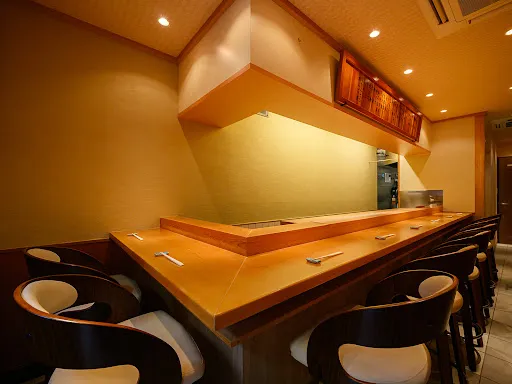
Sushi in Tokyo is not one thing. That might sound obvious, but it’s worth saying because most visitors arrive with a single mental image: a serious chef behind a hinoki wood counter, placing perfect nigiri in front of you one piece at a time. That’s omakase, and yes, Tokyo does it better than anywhere else on the planet. But the sushi landscape here is so much wider than that. There are standing sushi bars near the old Tsukiji market where you eat shoulder-to-shoulder with salarymen on their lunch break, paying ¥1,000 for a set that would cost five times as much in London or New York. There are conveyor belt joints (kaiten-zushi) that are genuinely excellent, not the sad supermarket salmon you might be imagining. And there are the rarefied Ginza counters where a single meal can run ¥50,000 and you need a Japanese intermediary just to make the reservation.
The thing that ties all of it together is the rice. Seriously. The biggest difference between great sushi and forgettable sushi isn’t the fish. It’s the shari, the seasoned rice. A good sushi chef spends years learning to cook, season, and shape rice before they’re even allowed to handle fish. The vinegar blend, the temperature (body temp, always), the looseness of the pack. When the rice is right, the fish barely needs to do any work. When it’s wrong, no amount of premium toro can save the piece.
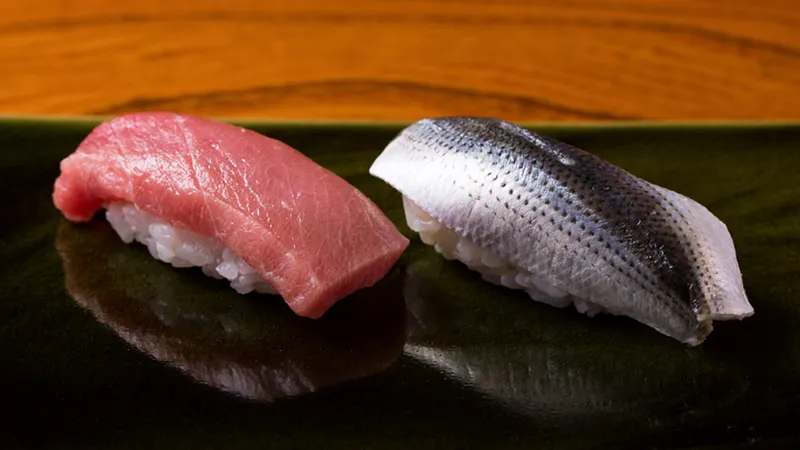
Tokyo’s sushi tradition is specifically Edo-mae, which means “in front of Edo” (the old name for Tokyo). Historically, this referred to fish caught in Tokyo Bay and prepared with techniques like vinegar curing, soy marinating, and kelp wrapping that were designed to preserve fish before refrigeration existed. Modern Edo-mae sushi still uses these techniques, not because they have to but because the flavours they produce are genuinely different and often better than raw fish alone. If a chef serves you a piece of kohada (gizzard shad) with a silver-blue sheen and a hit of vinegar that makes your mouth water, that’s Edo-mae at work.
The price range is genuinely wild. You could eat sushi three meals a day in Tokyo for a week and spend anywhere from ¥3,000 total to ¥300,000. This guide covers the full spectrum, from a standing bar where you’ll spend less than a ramen lunch to a three-Michelin-star counter that might be the best sushi restaurant in the world. If you want broader Tokyo food coverage beyond sushi, our best restaurants in Tokyo guide covers ramen, wagyu, yakitori, and more.

1. Sukiyabashi Jiro Roppongi Hills
You know the name. The documentary put Jiro Ono on every food lover’s radar, and the original Ginza location became almost impossible to book without a Japanese contact and several months of lead time. The good news is that the Roppongi Hills branch, run by Jiro’s son Takashi Ono, serves the same Edo-mae philosophy with a noticeably more relaxed atmosphere. “Relaxed” is still relative here. You’re eating roughly 20 pieces of nigiri at the chef’s pace, and the whole experience takes under an hour. But Takashi handles non-Japanese guests comfortably, and there’s none of the anxiety that reportedly comes with the Ginza original.
The fish is sourced from Toyosu Market each morning, and the vinegar-forward shari is the Jiro family signature. The akami (lean tuna) and tamagoyaki (sweet egg omelet, served last) are the pieces people talk about weeks later. That said, not everyone loves it. Some reviewers feel the brisk pacing and ¥35,000 dinner price don’t quite justify the experience, especially when smaller counters offer more intimacy for less money. The 4.0 Google rating reflects that split. Lunch at ¥23,000 is the better value play if you can get it.

Sukiyabashi Jiro Roppongi Hills
- Edo-style sushi from the Jiro dynasty
- Two Michelin stars for 14 consecutive years
- More accessible than the original Ginza location
The 7:30 PM seating is more relaxed than 5:30 PM. Book well ahead through your hotel concierge.
"Run by Jiro's son Takashi Ono, the Roppongi branch offers a more relaxed experience than the famous Ginza original. The akami and tamagoyaki are standouts."
2. Sushi Saito
If Jiro is the most famous sushi restaurant in the world, Saito might be the most revered among people who actually eat sushi in Tokyo regularly. Chef Takashi Saito holds three Michelin stars and has for over a decade. His counter seats only seven people, and the waiting list is legendary. The fish selection changes daily based on what’s best at Toyosu, and the rice is often described as the finest in Tokyo, which given the competition is saying something. Every piece is precisely constructed, the temperature and seasoning calibrated to the specific fish.
Here’s the honest part: getting a reservation is extraordinarily difficult. Saito dropped out of the Michelin guide voluntarily because the attention was making reservations even harder. Your realistic path in is through a luxury hotel concierge at a property with an existing relationship (think Aman, Peninsula, or Mandarin Oriental). If you can get a seat, most sushi obsessives consider this the pinnacle. If you can’t, don’t feel bad. Very few people can.
Sushi Saito
- Three Michelin stars, widely considered Tokyo's best sushi
- Chef Takashi Saito's legendary Edo-mae technique
- Intimate counter with only 7 seats
Reservations are extremely difficult. Your best bet is a high-end hotel concierge with an existing relationship.
"Sushi Saito holds three Michelin stars and is regularly cited as the best sushi restaurant in the world. The fish sourcing and rice preparation are considered peerless."
3. Ginza Kousui
If the Michelin-starred places feel intimidating or impossible to book, Ginza Kousui is where you should look. It’s a small omakase counter in Ginza with a perfect 5.0 Google rating, which for a city with over 80,000 restaurants is genuinely remarkable. The chef works with quiet confidence, sourcing fish from Toyosu in the early morning and serving it at the counter with minimal fuss. No theatrical knife work, no dry ice, no dramatic reveals. Just very good fish on very good rice, piece after piece, at a pace that lets you actually savour each one.
The intimacy is the draw here. You’re close enough to the chef to see exactly how each piece is handled, and the conversation (if you want it) flows naturally. It sits at a meaningfully lower price point than the Jiro or Saito tier, making it one of the better-value serious omakase experiences in central Tokyo. Book through their Instagram; they’re responsive and the process is straightforward even for non-Japanese speakers.

Ginza Kousui
- Intimate omakase experience with exceptional fish quality
- Perfect 5.0 Google rating
- Chef interaction at the counter
Reserve through their website or Instagram. The counter seats are the best experience.
"Ginza Kousui offers an amazing omakase experience in an intimate setting. Guests rave about the freshness of each piece and the attentive service."
4. Sushi Arai
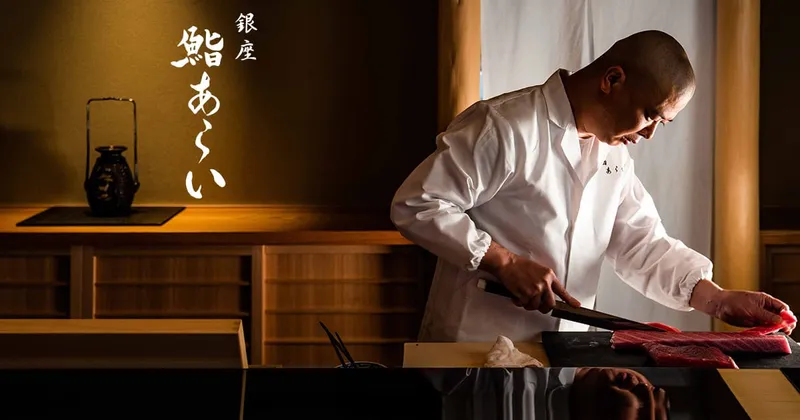
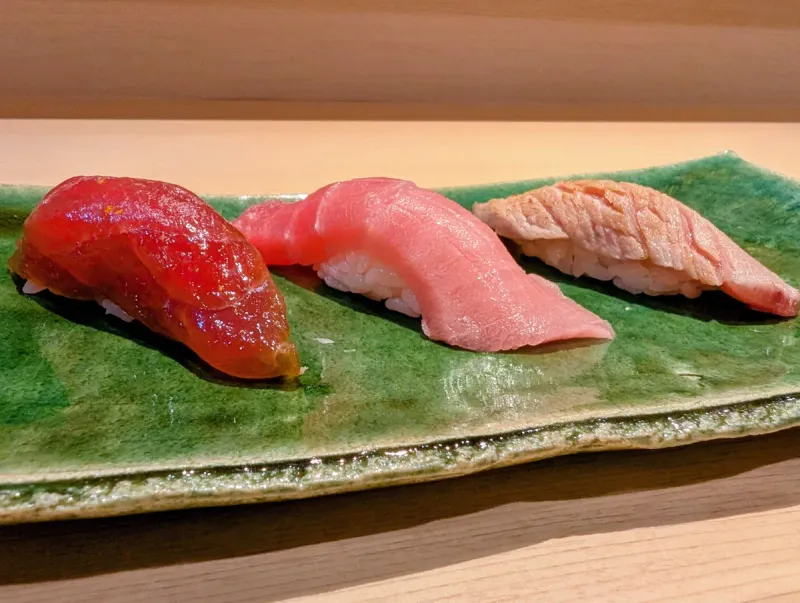
Chef Arai earned a Michelin star and a spot on the World’s 50 Best Restaurants list, and his Ginza counter reflects that pedigree. The technique is precise Edo-mae, with particular attention to aging (some fish is aged for days to develop deeper flavour) and the balance between neta (topping) and shari. If you care about the craft of sushi rather than just the spectacle, this is a place that rewards attention. Each piece arrives with purpose, and you can tell the chef has opinions about the exact moment a particular fish reaches its peak.
The downside is predictable: it’s expensive, it’s hard to book, and the atmosphere is formal. This isn’t the counter where you’ll crack jokes with the chef over sake. It’s a serious, focused experience that treats sushi as art. Some people love that intensity. Others find it a bit stiff. If you’re going to splurge on one Ginza sushi dinner, choosing between Kousui (warmer, more relaxed) and Arai (more technically exacting) comes down to what kind of evening you want.

Sushi Arai
- One Michelin star and former World's 50 Best Restaurants listing
- Chef Arai's precise Edo-mae technique
- Premium Ginza sushi experience
One of Ginza's top-tier counters. Book months ahead through a concierge.
"Sushi Arai is a high-end Ginza counter known for Chef Arai's meticulous technique and exceptional fish sourcing. A refined, serious sushi experience."
5. sushi bar fish 4 u
Six seats, one chef, no English sign outside. Sushi Bar Fish 4 U in Akihabara is the kind of place that makes you question every sushi meal you’ve paid three times as much for. Chef Masaru Noguchi sources his fish daily from the market and builds an omakase course that’s creative without veering into gimmick territory. He wraps pieces in unexpected combinations, plays with temperature, and occasionally does something that makes you set down your chopsticks just to process what you tasted.
What really sets this place apart is the vibe. Noguchi speaks excellent English and genuinely enjoys talking with guests about what he’s serving, where the fish came from, and why he prepared it a certain way. It turns a meal into an education. The quality-to-price ratio is, according to multiple reviewers, the best in Tokyo for omakase sushi. You’re getting fish that rivals Ginza counters at a fraction of the price, in a setting that feels personal rather than performative. Book through Instagram and do it well in advance. Six seats disappear quickly.
sushi bar fish 4 u
- Exceptional omakase with original creations by Chef Masaru Noguchi
- Intimate 6-seat counter with warm hospitality
- Outstanding quality-to-price ratio for Tokyo sushi
Book through Instagram well in advance. Only 6 seats.
"A tiny, cozy sushi spot where Chef Masaru Noguchi creates exceptional omakase using fish sourced daily from the local market. The English-speaking chef makes it welcoming for visitors."
6. REONA Sushi Tokyo
Also in Akihabara (which, yes, is becoming a surprising sushi neighbourhood), REONA takes the omakase format and adds a layer of theatre. The chef builds an immersive experience around the meal, with presentation elements that go beyond just placing fish on rice. Think of it as omakase with a narrative arc. Each course connects to the next, and the pacing is deliberate. Multiple reviewers describe it as “magical,” which sounds like overselling until you’re actually sitting there and realize the evening has a momentum to it that most sushi dinners don’t.
Is it for everyone? Probably not. If you’re a purist who wants the fish to speak for itself with zero embellishment, the theatrical elements might feel unnecessary. But if you’re someone who thinks dining should be an experience rather than just a meal, REONA delivers something you won’t find at a traditional Edo-mae counter. The 5.0 Google rating suggests most people lean toward the “this was incredible” camp. Worth seeking out if you want your sushi dinner to be the story you tell when you get home.

REONA Sushi Tokyo
- Immersive omakase experience with theatrical presentation
- Perfect 5.0 Google rating
- Memorable and unique sushi dining in Akihabara
Book well ahead. The immersive presentation is part of the experience.
"REONA Sushi Tokyo offers a magical and unforgettable omakase experience. The immersive presentation and exceptional fish quality leave a lasting impression."
7. Omakase Sushi sushimichi Shinbashi
Shinbashi is a working-class neighbourhood full of salary workers and izakaya, and it’s not where most tourists go for sushi. That’s partly why Sushimichi is such a good find. The quality is consistently excellent, with multiple reviewers calling it one of the best sushi experiences they’ve had in Tokyo, and the prices are more reasonable than equivalent counters in Ginza just a few stops away. The chef’s Edo-mae technique is traditional and confident, with clean cuts and well-seasoned rice.
The lunch omakase is the insider move here. You get the same chef, the same fish sourced from Toyosu that morning, and a shorter course at a significantly lower price than dinner. If your budget doesn’t stretch to ¥30,000 dinners but you still want serious sushi from a skilled chef, a Sushimichi lunch is one of the best ways to get it.

Omakase Sushi sushimichi Shinbashi
- Consistently rated as one of Tokyo's best sushi experiences
- High-quality Edo-mae style preparation
- Excellent value for the quality
Lunch omakase offers the same quality at a lower price than dinner.
"Guests often call Sushimichi one of the best sushi experiences they have had. The quality of fish and precision of the rice are consistently praised."
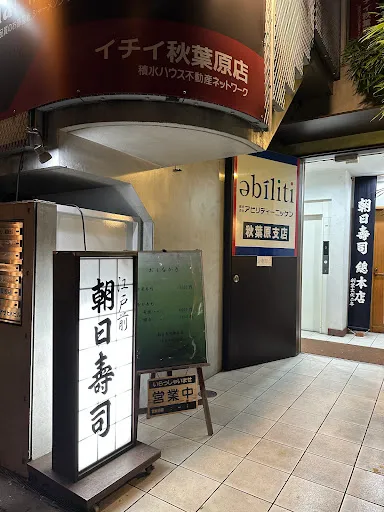
8. Asahi Sushi
Not every sushi meal needs to be a special occasion. Asahi Sushi in Akihabara is the kind of neighbourhood spot where the staff greet you like you’ve been coming for years, even on your first visit. The atmosphere is relaxed and unpretentious, the sushi is well-made with good-quality fish, and the prices won’t make you wince. It’s the antidote to the pressure that can come with high-end omakase, where you might spend half the meal worrying about whether you’re eating each piece correctly.
If you’re looking for a comfortable, friendly sushi dinner without the formality, Asahi is a great pick. The 4.9 rating reflects a place that consistently makes people happy without trying to impress them. Good for a Tuesday night when you just want excellent fish and a cold beer in a warm room.

Asahi Sushi
- Warm, welcoming atmosphere with friendly staff
- High-quality sushi at reasonable prices
- A genuine neighbourhood sushi bar experience
A cozy neighbourhood spot. Great for a relaxed, non-intimidating omakase experience.
"Asahi Sushi is a cozy, friendly establishment where guests are greeted warmly. The sushi quality is excellent and the atmosphere is relaxed."
9. Standing Sushi Bar
Here’s the thing about sushi in Tokyo that most guides don’t tell you: some of the best fish in the city is served at standing counters for a fraction of what you’d pay sitting down. This standing sushi bar near the old Tsukiji market area is a perfect example. You walk in, stand at the counter, order a few pieces of nigiri, eat them in five minutes, and walk out having spent ¥1,500 on sushi that’s fresher than anything you’ve ever eaten at home. No reservation, no fuss, no two-hour commitment.
The fish comes from the nearby markets and turns over constantly, so freshness is basically guaranteed. The rice is well-seasoned Edo-mae style, packed just loosely enough. Is it the transcendent, life-altering experience of a Michelin-starred counter? No. But it might be the highest pleasure-per-yen ratio in all of Tokyo sushi. Come at lunch when the fish selection is widest. This is also a great option when everything else is booked, which in Tokyo happens more often than you’d think.
Standing Sushi Bar
- Excellent sushi at standing-bar prices near Tsukiji
- No reservation needed, just walk in
- Perfect for a quick, high-quality sushi fix
Order a few pieces at a time and eat standing. No reservations needed.
"A popular standing sushi bar near Tsukiji offering fresh, well-prepared nigiri at a fraction of sit-down omakase prices. Quick, casual, and delicious."
How to Plan Your Sushi Eating in Tokyo
The smartest approach is to mix price tiers across your trip. Book one splurge omakase dinner (Ginza Kousui or Sushimichi for value, Jiro or Saito if budget allows), grab standing sushi near Tsukiji for a quick lunch on another day, and squeeze in a smaller counter like Fish 4 U or Asahi for a relaxed mid-trip dinner. That way you experience the full range of Tokyo sushi without spending your entire trip budget on raw fish.
A few practical notes. Almost all omakase counters require advance reservations, and the fancier ones only accept bookings through Japanese-language platforms or hotel concierges. If you’re staying at a decent hotel, ask the front desk for help. Many mid-range sushi spots release reservations about two weeks to a month ahead. Lunch omakase is almost always cheaper than dinner for the same quality, sometimes by 40-50%, so book noon seatings when you can.
For more Tokyo eating beyond sushi, check out our best restaurants in Tokyo guide, which covers ramen, wagyu, yakitori, gyoza, and everything else. And if you need something to drink after dinner, our best bars in Tokyo guide has you covered.
Planning your trip to Tokyo? Save these sushi spots to your itinerary with Tourli, the app that turns travel guides into actionable day plans.
Frequently Asked Questions
How much does omakase sushi cost in Tokyo?
What is sushi etiquette in Tokyo?
Do I need reservations for sushi in Tokyo?
What are the best areas for sushi in Tokyo?
More Tokyo Guides
3-Day Tokyo Itinerary (2026)
ItineraryThree days, three pairs of neighbourhoods. This itinerary groups Tokyo by geography so you spend less time underground and more time eating, photographing, and getting properly lost.
5-Day Tokyo Itinerary (2026)
ItineraryFive days, five neighbourhoods. This itinerary groups Tokyo by geography so you spend less time on trains and more time eating, exploring, and getting lost in the right way.
Things to Do in Asakusa, Tokyo (2026 Neighbourhood Guide)
GuideAsakusa is Tokyo at its most traditional. While most of the city rebuilt itself into glass and steel after the war, this neighbourhood held onto its wooden shopfronts, its temple rituals, and its open-air drinking culture. Senso-ji has been standing here since the seventh century. Nakamise has been selling rice crackers and souvenirs since the Edo period. And Hoppy Street has been serving cheap beer alternatives to salarymen since the 1940s. It's the part of Tokyo that still feels like old Tokyo, and it's one of the few neighbourhoods where you can spend an entire day without running out of things to see, eat, and do.
Best Breakfast in Tokyo (2026) - From 6AM Sushi to Kissaten Toast
VibeTokyo is one of the few cities where eating sushi at 6 AM is completely normal. Breakfast here spans everything from a three-piece sashimi set at a Tsukiji fish stall to a ¥500 kissaten morning set with toast so thick it could double as a pillow. This guide covers 11 ways to start your day, from the traditional to the trendy.
11 Best Brunch Spots in Tokyo (2026)
VibeTokyo takes breakfast seriously, just not in the way you might expect. The city runs on kissaten morning sets, fluffy souffle pancakes that take 20 minutes to cook, and hotel buffets that could double as Michelin-level tasting menus. This guide covers all of it.
15 Best Cafes in Tokyo (2026)
GuideTokyo has over 550 cafes in our database alone, ranging from century-old kissaten to cafes where a capybara sits in your lap. These 15 cover matcha specialists, third-wave roasters, themed experiences, and traditional tea shops.
Save these places to your Tokyo trip
Tourli turns travel guides into actionable day plans. Save places, get walking directions, and share your itinerary — all in one app.