15 Best Restaurants in Tokyo (2026)

Tokyo has more Michelin stars than any other city on earth, but the best eating here isn't always behind a reservation list. These 15 restaurants cover everything from a six-seat sushi counter in Akihabara to all-you-can-eat wagyu for ¥5,000.

Places
15
Avg Rating
4.6
City
Tokyo

Best Restaurants in Tokyo

Tokyo holds more Michelin stars than Paris, London, and New York combined. But numbers don’t really capture what eating here feels like. This is a city where a ¥900 bowl of ramen at a seven-seat counter can be genuinely life-changing, where a retired sushi master runs a six-seat operation out of an Akihabara back street and serves some of the best fish you’ll ever eat, and where the phrase “all-you-can-eat wagyu” is not, in fact, a trap.

The range is staggering. You can spend ¥35,000 on an omakase dinner at a Jiro restaurant, or ¥1,200 on a bowl of clam-broth ramen that a Michelin inspector once gave a star. Both experiences are worth having. The trick is knowing which to chase on which night.

This list covers the full spectrum. There are three different ramen shops here because Tokyo ramen is not one thing. There are wagyu restaurants at three different price points because the same cut of beef can cost ¥2,000 or ¥20,000 depending on who’s grilling it. And there’s a fried chicken stand near Senso-ji that opens at 9 AM, because sometimes the best meal of the day is the one you weren’t planning.

1. Florilege

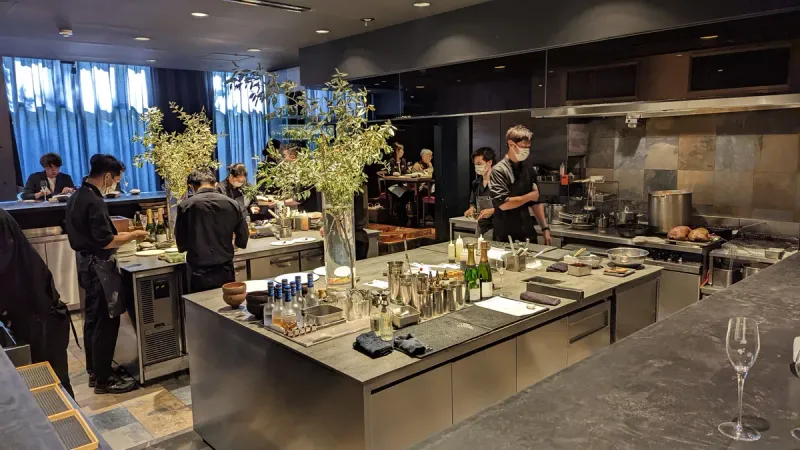
Chef Hiroyasu Kawate earned his second Michelin star at this relocated Azabudai Hills restaurant, and then did something unusual: he pivoted toward vegetables. Not vegetarian, exactly. The tasting menu still features proteins. But the dishes that land hardest tend to be the ones built around a single perfect Japanese turnip or a plate of charred root vegetables that taste more complex than most steaks. Kawate trained in France and you can taste it in the technique, but the ingredients are deeply Japanese, seasonal, and often sourced from single farms he visits personally. The Green Star for sustainability isn’t just a badge; it’s woven into every course. The dining room is sleek and modern, the kitchen open to the room. Dinner courses change seasonally and run around ¥25,000. At #36 on the World’s 50 Best list and #21 in Asia, getting a table requires planning at least a month out. Worth the effort if you want one blow-out meal in Tokyo that isn’t sushi.

Florilege
1

Florilege

restaurant Toranomon $$$$
4.4 Google Azabudai Hills Garden Plaza Building D 2F, Minato City, Tokyo
  • Two Michelin stars and a Green Star for sustainability
  • Ranked #36 in World's 50 Best Restaurants 2025
  • Chef Kawate's vegetable-forward French-Japanese cuisine
Tip

Book at least a month ahead. The dinner course changes seasonally and leans heavily on vegetables.

"Florilege is a two Michelin star restaurant known for its innovative French-Japanese cuisine with a focus on plant-based dishes."

2. Sukiyabashi Jiro Roppongi Hills

You know the name from the documentary. The original Ginza location is almost impossible to book without a Japanese contact, but the Roppongi Hills branch, run by Jiro’s son Takashi Ono, serves the same Edo-style technique with a more relaxed atmosphere. “Relaxed” is relative. You’re still eating 20 pieces of sushi at the chef’s pace in under an hour. But Takashi handles English-speaking guests comfortably, and the fish quality is undeniable. The akami (lean tuna) and tamagoyaki (egg omelet) are the pieces people remember months later. Reviews are genuinely split: some visitors call it the best sushi of their lives, others feel the vinegar-forward rice and brisk pace don’t justify ¥35,000. The 7:30 PM seating gives you more breathing room than the 5:30.

Sukiyabashi Jiro Roppongi Hills
2

Sukiyabashi Jiro Roppongi Hills

restaurant Roppongi $$$$
4.0 Google 4.0 TripAdvisor Roppongi Hills, 6-12-2, Roppongi, Minato City, Tokyo
  • Edo-style sushi from the Jiro dynasty
  • Two Michelin stars for 14 consecutive years
  • More accessible than the original Ginza location
Tip

The 7:30 PM seating is more relaxed than 5:30 PM. Book well ahead through your hotel concierge.

"Run by Jiro's son Takashi Ono, the Roppongi branch offers a more relaxed experience than the famous Ginza original. The akami and tamagoyaki are standouts."

3. Ginza Kousui

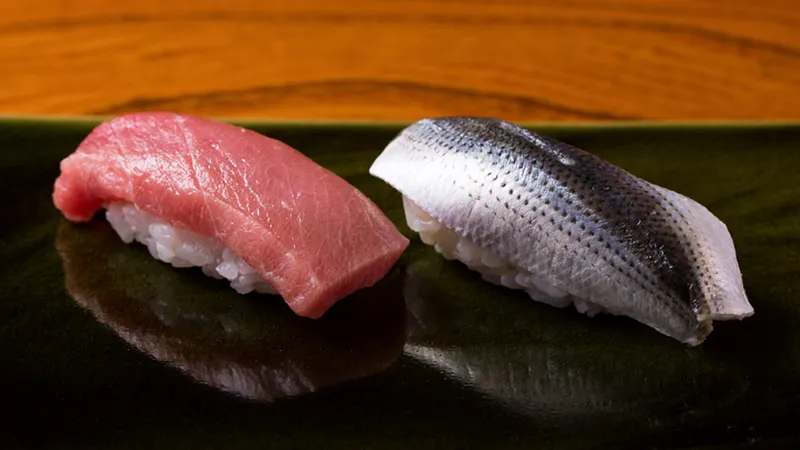
If Jiro is the sushi restaurant everyone knows about, Ginza Kousui is the one you stumble upon and can’t stop talking about afterwards. It’s a small omakase counter in Ginza with a perfect 5.0 Google rating, which in a city with 80,000 restaurants says something. The chef works the counter with the kind of quiet confidence that comes from sourcing fish at 4 AM and knowing exactly what to do with it by noon. No theatrics, no smoke machines, no Instagram-bait presentations. Just exceptional fish, perfectly seasoned rice, and a pace that lets you actually taste what you’re eating. It sits at a lower price point than the Jiro dynasty, making it one of the better-value omakase experiences in central Tokyo. Reserve through their Instagram.

Ginza Kousui
3

Ginza Kousui

restaurant Ginza
5.0 Google Ginza, Chuo City, Tokyo
  • Intimate omakase experience with exceptional fish quality
  • Perfect 5.0 Google rating
  • Chef interaction at the counter
Tip

Reserve through their website or Instagram. The counter seats are the best experience.

"Ginza Kousui offers an amazing omakase experience in an intimate setting. Guests rave about the freshness of each piece and the attentive service."

4. sushi bar fish 4 u

Six seats. One chef. No English sign outside. Sushi Bar Fish 4 U in Akihabara is the kind of place that makes you wonder why you’ve been paying three times as much elsewhere. Chef Masaru Noguchi sources his fish daily from the local market and builds an omakase course that’s creative without being gimmicky. He wraps pieces in unusual combinations, plays with temperature, and occasionally does something that makes you put your chopsticks down just to think about what you just ate. He speaks excellent English and genuinely enjoys chatting with guests, which turns a meal into a conversation. The quality-to-price ratio is, according to multiple reviewers, the best in Tokyo for omakase sushi. Book through Instagram and do it well in advance. Six seats fill up fast.

4

sushi bar fish 4 u

restaurant Akihabara
5.0 Google 6-13-11 Sotokanda, Chiyoda City, Tokyo
  • Exceptional omakase with original creations by Chef Masaru Noguchi
  • Intimate 6-seat counter with warm hospitality
  • Outstanding quality-to-price ratio for Tokyo sushi
Tip

Book through Instagram well in advance. Only 6 seats.

"A tiny, cozy sushi spot where Chef Masaru Noguchi creates exceptional omakase using fish sourced daily. The intimate setting and engaging conversations make it unique."

5. BeBu-Ya

All-you-can-eat wagyu sounds like it shouldn’t work. The phrase conjures images of sad buffet trays and questionable meat grades. BeBu-Ya in Shibuya is not that. For ¥5,000 (about $33), you get 90 minutes of genuinely good A4 wagyu yakiniku. The marbling is visible, the quality is real, and you grill it yourself at the table. There’s a QR code ordering system that means food arrives within 5-10 minutes of tapping your phone. The A4 wagyu is so rich that most people hit a wall around plate four or five, which is when you pivot to the pork and seafood options. Three course tiers: ¥5,000, ¥6,500, and ¥8,200 for the premium cuts. The space is tight. Don’t bring a big bag. Reservations are strongly recommended, especially weekends. The value here is genuinely hard to beat anywhere else in Tokyo.

BeBu-Ya
5

BeBu-Ya

restaurant Shibuya $$
4.8 Google Shibuya, Tokyo
  • All-you-can-eat A4 wagyu yakiniku from ¥5,000
  • 90-minute sessions with QR code ordering
  • Multiple courses from ¥5,000 to ¥8,200
Tip

Book ahead, especially weekends. The A4 wagyu course at ¥5,000 is the sweet spot for value.

"Reviewers consistently praise BeBu-Ya for its exceptional all-you-can-eat Japanese BBQ with high quality wagyu beef at surprisingly affordable prices."

6. WAGYU SUKIYAKI GOKU Harajuku

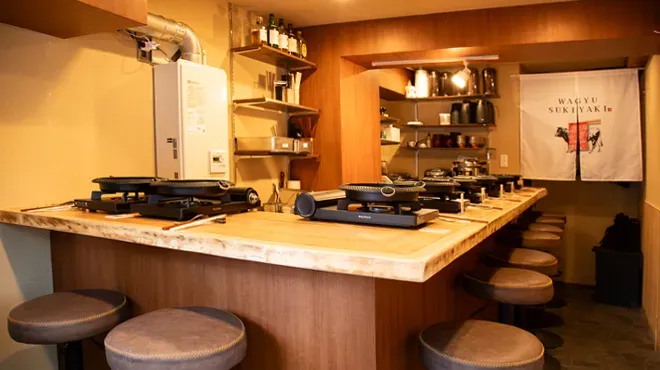
Sukiyaki is one of those Japanese dishes that tourists often overlook in favour of sushi and ramen, which is a mistake. At GOKU in Harajuku, thin slices of A5 wagyu are swished through a sweet soy-based broth, then dipped in raw egg. The beef is so heavily marbled it practically dissolves. The room is small and cozy, which works in its favour. You’re close enough to the pot to control the timing yourself, and the staff will walk you through the technique if you haven’t done sukiyaki before. The finishing move is the truffle rice with raw egg: the kitchen adds truffle shavings to steamed rice, cracks a raw egg on top, and you mix it into the remaining broth at the bottom of the pot. It tastes like someone distilled the entire meal into one last bite. Reservations recommended. The portions are generous for the price.

WAGYU SUKIYAKI GOKU Harajuku
6

WAGYU SUKIYAKI GOKU Harajuku

restaurant Harajuku
4.9 Google 3-23-2 Jingumae, Shibuya, Tokyo
  • Exceptional A5 wagyu sukiyaki with melt-in-your-mouth beef
  • Intimate and cozy setting in Harajuku
  • Signature truffle rice with raw egg to finish
Tip

Make a reservation if possible. The raw egg and truffle rice finish is not to be missed.

"A cozy and intimate restaurant known for its exceptional A5 wagyu sukiyaki. The truffle rice with raw egg finish receives especially high acclaim."

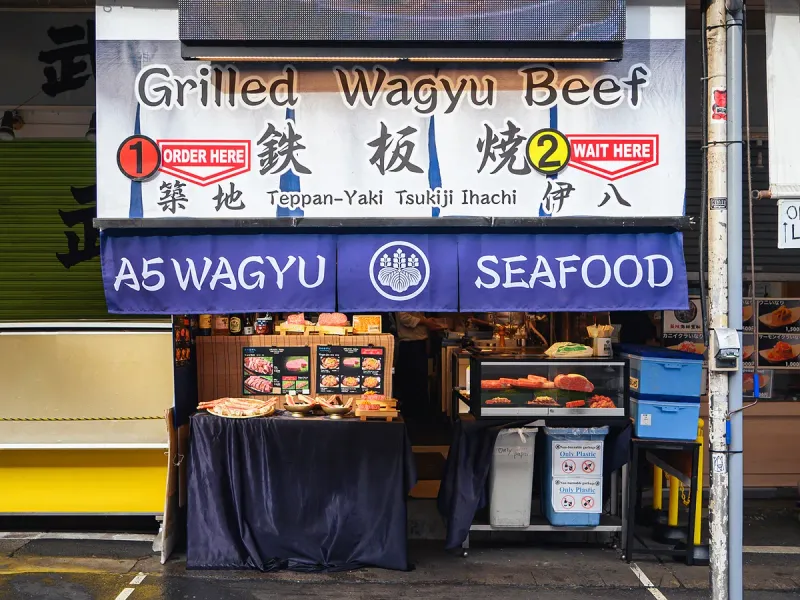
7. Tsukiji Ihachi honten

The inner wholesale market moved to Toyosu in 2018, but the outer market at Tsukiji is still very much alive, and Tsukiji Ihachi sits right in the middle of it. They specialize in A5 wagyu steak, grilled on a hot stone at your table. It’s theatrical in the best way: you hear the sizzle, you smell the fat rendering, and then you eat beef that costs a fraction of what the same cut would run you at a Ginza steakhouse. The lunch sets are the value play here. The dinner menu expands but the lunch gives you the core experience for less. The location means you can combine it with a morning walk through the outer market, grabbing tamagoyaki and fresh seafood from the stalls before sitting down for steak.

Tsukiji Ihachi honten
7

Tsukiji Ihachi honten

restaurant Ginza
4.9 Google Tsukiji, Chuo City, Tokyo
  • A5 wagyu steak grilled right in front of you
  • Located steps from Tsukiji Outer Market
  • Excellent value lunch sets
Tip

Go for the A5 wagyu steak set at lunch for the best value.

"Tsukiji Ihachi honten offers a unique dining experience with A5 wagyu steak grilled on a hot stone at your table. The quality and theatrical presentation consistently impress."

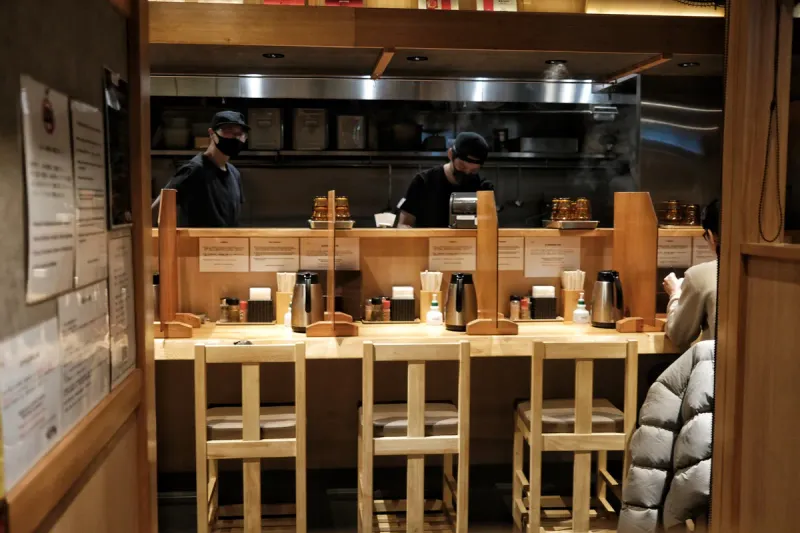
8. Ginza Kagari

Ramen purists will tell you that chicken broth ramen (tori paitan) isn’t real ramen. Ginza Kagari will change their minds. This tiny eight-seat counter hidden in a Ginza back alley serves what might be the richest, most luxurious bowl of chicken ramen in Japan. The broth is thick, creamy, almost porridge-like in texture, and somehow still clean-tasting. It coats the perfectly chewy noodles and leaves a gelatin layer on your lips that makes you want to order another bowl immediately. The truffle chicken ramen is the move if you want to go all in. The regular chicken paitan shoyu is the purist’s choice. Either way, you’re eating a bowl of ramen that looks and tastes like it was designed by a French saucier. Get there before 11 AM or prepare to queue. No reservations. Cashless only.

Ginza Kagari
8

Ginza Kagari

restaurant Ginza $$
4.2 Google 6-4-12 Ginza, Chuo City, Tokyo
  • Famous creamy tori paitan chicken broth
  • Michelin-recommended ramen
  • Truffle-flavored chicken ramen option
Tip

Arrive before 11 AM opening to beat the queue. Cash only. Try the chicken paitan shoyu.

"A small ramen spot known for its rich and creamy chicken broth. Only 8 seats around a U-shaped counter. The truffle-flavored chicken ramen is exceptional."

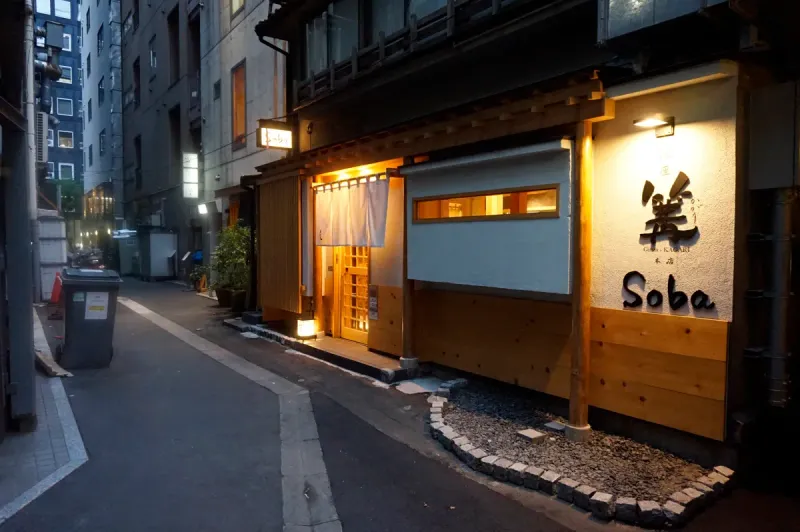
9. Soba House Konjiki-Hototogisu

Most ramen in Tokyo is built on pork bone or chicken. Konjiki-Hototogisu does something completely different: the base is red sea bream and clams, which gives the broth a light, oceanic quality that’s closer to a refined French bisque than a typical ramen. It earned a Michelin star in 2019, making it one of only three ramen shops in the world to hold one at the time. (Michelin later restructured its categories, so the star is technically gone, but the quality hasn’t changed.) The shio version is the one to order. The salt seasoning keeps the broth delicate and lets the seafood sing. At ¥900 a bowl, you’re eating what may be the cheapest former-Michelin-star meal on the planet. The catch is the queue system: arrive around 9:30 AM for lunch or 5:30 PM for dinner to get a numbered ticket, then come back at your assigned time.

Soba House Konjiki-Hototogisu
9

Soba House Konjiki-Hototogisu

restaurant Shinjuku $
4.1 Google Shinjuku, Tokyo
  • Former Michelin-starred ramen
  • Unique sea bream and clam broth
  • A bowl of world-class ramen for just ¥900
Tip

Arrive at 9:30 AM for lunch or 5:30 PM for dinner to get a numbered ticket with your return time.

"A renowned ramen restaurant known for its exceptional seafood-based broth using red sea bream and clams. The shio version is the standout."

10. AFURI Ebisu

If Konjiki-Hototogisu is ramen as fine dining, AFURI is ramen as modern comfort food. Their signature is a yuzu shio broth: light, citrusy, and about as far from heavy tonkotsu as ramen gets. It’s the kind of bowl that works after a long flight when you want something warming but not sleep-inducing. The Ebisu branch is the original and still the best, a short walk from the station. They accept cards only (no cash), order through a kiosk, and the whole system is designed so a tourist who doesn’t speak Japanese can walk in and eat without confusion. The yuzu tsukemen (dipping noodles) is a good alternative in summer. There’s a vegan option with konjac noodles if you’re travelling with someone who doesn’t eat meat. The pour-over sake, served in a cedar box, is worth adding.

AFURI Ebisu
10

AFURI Ebisu

restaurant Ebisu $$
4.2 Google 1-1-7 Ebisu, Shibuya, Tokyo
  • Famous yuzu broth in shio, shoyu, and spicy versions
  • Vegan options including konjac noodles
  • Modern kiosk ordering, open late, right by Ebisu Station
Tip

The yuzu shio ramen is the signature. Try the pour-over sake served in a cedar box.

"AFURI is known for its delicious yuzu broth ramen. Card-only payments and kiosk ordering make it very tourist-friendly."

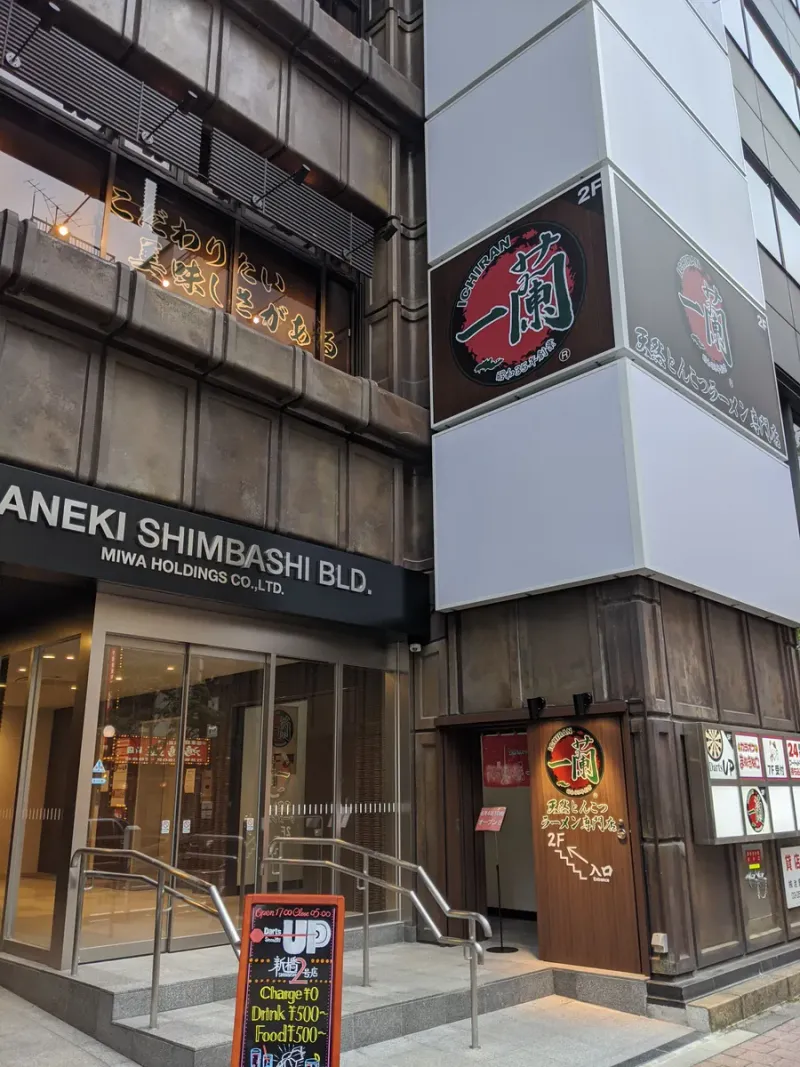
11. Ichiran Shimbashi

Ichiran is a chain, and some food snobs will roll their eyes. Ignore them. The individual booth system, where you sit alone behind a bamboo curtain and a bowl of ramen appears through a slot in the wall, is one of the most uniquely Japanese dining experiences you can have. The ramen itself is solid tonkotsu: rich, porky, and endlessly customizable via a preference card where you choose broth richness, noodle firmness, spice level, and garlic amount. It’s not the best ramen in Tokyo (see numbers 8 and 9 above), but it is the most fun for a first-time visitor. The Shimbashi branch is central, less touristy than the Shibuya location, and open 24 hours. Two bowls with extras will set you back around ¥2,000. If you arrive between 5 and 6 PM, you might dodge the dinner queue. Later than that, ask about the virtual queue system that texts you when a seat opens.

Ichiran Shimbashi
11

Ichiran Shimbashi

restaurant Shimbashi $$
4.2 Google 30-45 mins 2-5-6 Shinbashi, Minato City, Tokyo
  • Iconic solo-booth ramen experience with complete privacy
  • Customizable tonkotsu ramen with preference cards
  • Open 24 hours, perfect for late-night cravings
Tip

Use the preference card to set broth richness, spice, and garlic. Order extra chashu and the ajitama egg.

"Reviewers consistently praise the customizable tonkotsu ramen and unique booth dining experience. The preference card lets you control every aspect of your bowl."

12. Hinotori

Yakitori in Tokyo is its own world, and Hinotori in Nishi-Shinjuku is a good entry point. The chef sources fresh Daisen chicken daily from Tottori Prefecture, one of Japan’s most prized poultry breeds, and grills it over charcoal with the kind of timing that comes from years of practice. Each skewer arrives at its own pace, and the manager, who earned a Sake Master certification in 2023, pairs specific sakes with each course. It’s loud, it’s smoky, and it feels like the kind of place salary workers disappear into after 7 PM. The liver, heart, and skin skewers are the test of a good yakitori shop, and Hinotori handles all three well. If you’ve only ever had chicken breast on a stick, this will recalibrate your expectations. Reserve ahead because the place is small and regularly full.

Hinotori
12

Hinotori

restaurant Shinjuku
4.8 Google 5-10-1 Nishishinjuku, Shinjuku City, Tokyo
  • Top-quality Daisen chicken sourced daily
  • Sake Master-certified manager pairs drinks with each course
  • Lively izakaya atmosphere
Tip

Reserve ahead. The chef sources fresh Daisen chicken daily.

"A popular yakitori place in Tokyo with expertly grilled chicken skewers. Premium Daisen chicken and curated sake pairings make it stand out."

13. GYOPAO Gyoza Roppongi

Gyoza in Japan is often a side dish. GYOPAO makes it the main event. The pan-fried dumplings here arrive with a shatter-crisp bottom and a juicy pork filling that bursts when you bite through. They do variations beyond the classic: shiso gyoza, cheese gyoza, and a spicy mapo tofu gyoza that works surprisingly well as a drinking snack. The Roppongi location is casual and loud, which suits the food. It’s the kind of place you go with three friends, order too many plates, and split the bill for less than ¥2,000 each. The beer selection is decent. If you’re in Roppongi after a night out (or before one), this is where you fuel up.

GYOPAO Gyoza Roppongi
13

GYOPAO Gyoza Roppongi

restaurant Roppongi
4.8 Google Roppongi, Minato City, Tokyo
  • Some of the best dumplings in Tokyo
  • Creative gyoza variations beyond the classic
  • Casual Roppongi spot great for groups
Tip

Order the signature pan-fried gyoza and the spicy mapo gyoza for contrast.

"GYOPAO Gyoza Roppongi serves some of the best dumplings in Tokyo with perfectly crispy pan-fried gyoza and creative variations."

14. Asakusa Chicken

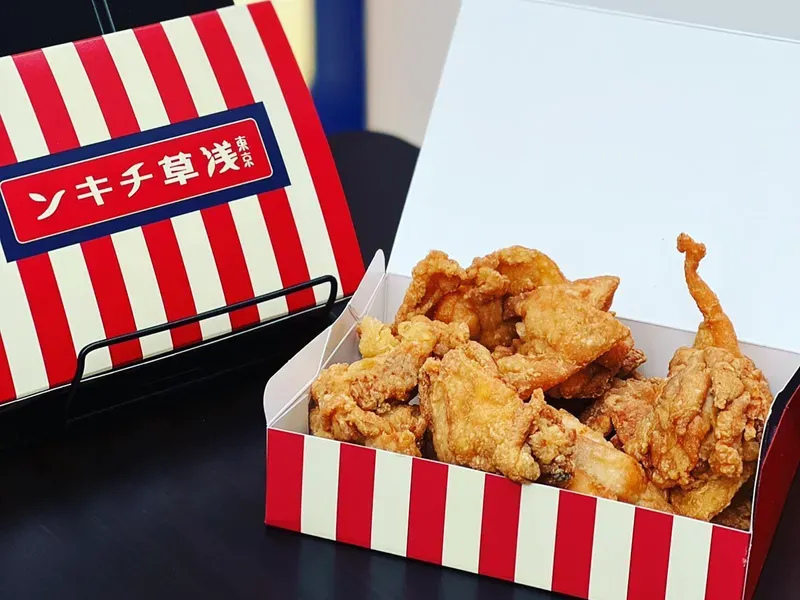
This is not a restaurant in the traditional sense. It’s a tiny fried chicken stand a few minutes from Senso-ji temple that opens at 9 AM and serves made-to-order karaage from a family recipe. The chicken pieces are small, nugget-sized, cooked fresh, and impossibly crispy. They’ve won awards for this recipe. The crab cream croquettes are the sleeper hit: creamy inside, crackly outside, and about ¥300 each. There’s a small seating area out front with some fun photo props, but most people eat standing up or walking. It pairs perfectly with a morning beer (this is Japan, morning beers at food stalls are not weird) before you explore the Asakusa temples. Cheap, fast, and genuinely delicious. Come early to avoid the crowds that build after 11 AM.

Asakusa Chicken
14

Asakusa Chicken

restaurant Asakusa
4.9 Google 2-10-1 Asakusa, Taito City, Tokyo
  • Award-winning chicken karaage cooked to order
  • The crab cream croquettes are a sleeper hit
  • Opens at 9 AM near Senso-ji, perfect morning snack
Tip

Visit early at 9 AM to avoid crowds and get freshly cooked chicken.

"A gem near Senso-ji known for its delicious made-to-order chicken karaage based on a family recipe. The crab cream croquettes also get high praise."

15. Shishikura

Shabu shabu doesn’t get the tourist attention that sushi and ramen do, which is exactly why Shishikura in Nishi-Shinjuku feels like a find. The chef prepares everything at your table: thinly sliced beef, seasonal vegetables, handmade dipping sauces. The broth options rotate but always include a rich konbu dashi and sometimes a spicy variant. What sets Shishikura apart from chain shabu shabu spots is the sourcing. The beef is carefully selected, the vegetables are fresh and seasonal, and the chef adjusts the presentation based on what’s good that week. It’s located away from the main Shinjuku tourist corridor, in a quieter part of Nishi-Shinjuku where the crowds thin out. The staff take keepsake photos for guests, which sounds cheesy but somehow feels genuinely warm in the context of a quiet, personal meal. Good for a slower evening when you don’t want to queue.

Shishikura
15

Shishikura

restaurant Shinjuku
4.8 Google 5-10-1 Nishishinjuku, Shinjuku City, Tokyo
  • Exceptional shabu shabu with carefully selected ingredients
  • Professional chef prepares everything at your table
  • Away from tourist traps in Nishi-Shinjuku
Tip

Head to the quieter side of Nishi-Shinjuku. The chef takes keepsake photos for guests.

"Shishikura offers an unforgettable shabu shabu experience with delicious food and exceptional service. Personalized touches like keepsake photos make it special."

How to Plan Your Eating in Tokyo

The best strategy is to anchor each day around a neighbourhood and eat your way through it. If you’re in Ginza, do Ginza Kagari for a late-morning ramen, walk to Tsukiji Ihachi for a wagyu lunch, and save the evening for Ginza Kousui’s omakase. If you’re in Shinjuku, Konjiki-Hototogisu for lunch and Hinotori for yakitori at dinner is a strong double-header. Shibuya works for BeBu-Ya yakiniku followed by late-night drinks in the neighbourhood.

A few practical notes: most ramen shops are cash-only or ticket-machine-only, so carry yen. Omakase places almost always need advance reservations, often through Japanese booking sites. If your hotel has a concierge, use them. Many restaurants close between lunch and dinner (roughly 2-5 PM), so plan accordingly. Tipping is not done and will confuse staff. And if you’re standing in a queue that wraps around the block, you’re probably in the right place.

If you’re spending several days in Tokyo, check out our best ramen in Tokyo guide for deeper noodle coverage, or our best bars guide for where to drink after dinner.

Planning your trip to Tokyo? Save these places to your itinerary with Tourli, the app that turns travel guides into actionable day plans.

Frequently Asked Questions

How much does a good meal cost in Tokyo?
Tokyo has incredible food at every price point. A bowl of Michelin-quality ramen costs around ¥900-1,200 ($6-8 USD). All-you-can-eat wagyu yakiniku starts at ¥5,000 ($33). An omakase sushi dinner runs ¥15,000-35,000 ($100-230). Fine dining tasting menus start around ¥25,000 ($165).
Do I need reservations at Tokyo restaurants?
For ramen shops and casual spots, no. Just queue up. For yakitori, gyoza, and mid-range restaurants, reservations are recommended but walk-ins sometimes work. For omakase sushi and fine dining, book weeks or months ahead. Many upscale Tokyo restaurants only accept bookings through hotel concierges or Japanese-language reservation sites like Tabelog.
What time do people eat dinner in Tokyo?
Tokyo eats early by Western standards. Most restaurants open for dinner at 5:30 or 6 PM, and popular ramen shops can sell out by 8 PM. If you want to avoid queues, aim for 5:30 PM. Late-night options exist too, with izakaya and ramen shops open past midnight, and Ichiran is open 24 hours.
Is it rude to tip at restaurants in Tokyo?
Yes. Tipping is not practiced in Japan and can actually cause confusion or embarrassment. The bill is always the final amount. Service charges are already included at higher-end restaurants.

More Tokyo Guides

3-Day Tokyo Itinerary (2026)

Itinerary

Three days, three pairs of neighbourhoods. This itinerary groups Tokyo by geography so you spend less time underground and more time eating, photographing, and getting properly lost.

14 places 3 days

5-Day Tokyo Itinerary (2026)

Itinerary

Five days, five neighbourhoods. This itinerary groups Tokyo by geography so you spend less time on trains and more time eating, exploring, and getting lost in the right way.

25 places 5 days

Things to Do in Asakusa, Tokyo (2026 Neighbourhood Guide)

Guide

Asakusa is Tokyo at its most traditional. While most of the city rebuilt itself into glass and steel after the war, this neighbourhood held onto its wooden shopfronts, its temple rituals, and its open-air drinking culture. Senso-ji has been standing here since the seventh century. Nakamise has been selling rice crackers and souvenirs since the Edo period. And Hoppy Street has been serving cheap beer alternatives to salarymen since the 1940s. It's the part of Tokyo that still feels like old Tokyo, and it's one of the few neighbourhoods where you can spend an entire day without running out of things to see, eat, and do.

13 places

Best Breakfast in Tokyo (2026) - From 6AM Sushi to Kissaten Toast

Vibe

Tokyo is one of the few cities where eating sushi at 6 AM is completely normal. Breakfast here spans everything from a three-piece sashimi set at a Tsukiji fish stall to a ¥500 kissaten morning set with toast so thick it could double as a pillow. This guide covers 11 ways to start your day, from the traditional to the trendy.

11 places

11 Best Brunch Spots in Tokyo (2026)

Vibe

Tokyo takes breakfast seriously, just not in the way you might expect. The city runs on kissaten morning sets, fluffy souffle pancakes that take 20 minutes to cook, and hotel buffets that could double as Michelin-level tasting menus. This guide covers all of it.

11 places

15 Best Cafes in Tokyo (2026)

Guide

Tokyo has over 550 cafes in our database alone, ranging from century-old kissaten to cafes where a capybara sits in your lap. These 15 cover matcha specialists, third-wave roasters, themed experiences, and traditional tea shops.

15 places

Save these places to your Tokyo trip

Tourli turns travel guides into actionable day plans. Save places, get walking directions, and share your itinerary — all in one app.