Best Nightlife in Tokyo (2026) - Clubs, Bars & Late-Night Spots

Tokyo doesn't do nightlife the way most cities do. There's no single strip, no one neighbourhood where everyone funnels in at 11 PM. Instead, the city scatters its best nights across districts that each have a completely different personality. Golden Gai is 200 tiny bars crammed into six alleys. Shibuya Maruyama-cho is basement speakeasies and DJ bars. Kabukicho has multi-floor megaclubs with LED walls the size of buildings. And when the last train leaves at midnight, half the city just... stays out. That five-hour gap until the first morning train is when Tokyo nightlife really finds its stride.

Places
10
Avg Rating
4.8
City
Tokyo

Best Nightlife in Tokyo

Tokyo’s nightlife starts with a choice that most cities never force you to make. At midnight, you’re standing on a train platform, and the display board says “Last Train” in blinking letters. You can get on it and go home. Or you can turn around, walk back into the neon, and commit to the full ride until 5 AM when the first trains start running again. Most people, at least once during their trip, choose the second option. And that’s when things get genuinely interesting.

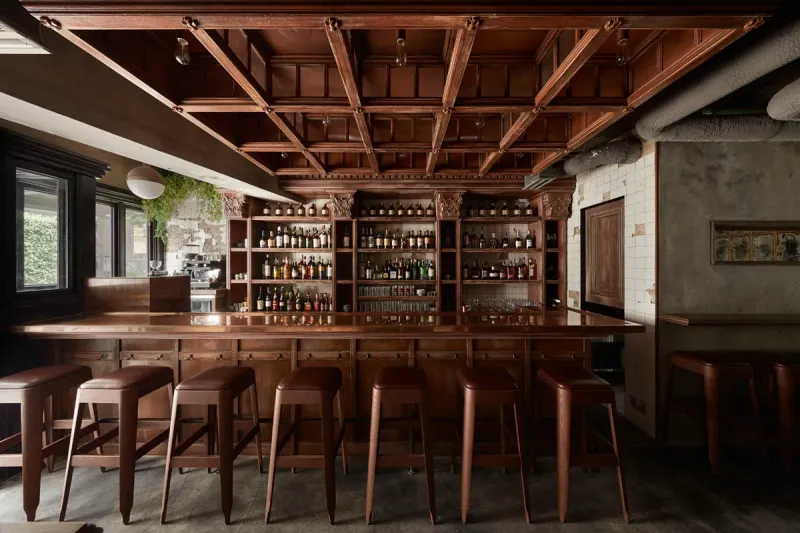
The city doesn’t have a single nightlife district the way London has Soho or New York has the Lower East Side. Instead, it has about six of them, each with a completely different energy. Shinjuku alone contains multitudes: Golden Gai’s labyrinth of tiny themed bars, Kabukicho’s towering nightclubs, Omoide Yokocho’s smoky yakitori stalls that stay open past midnight. Shibuya’s Maruyama-cho neighbourhood hides speakeasies and DJ bars in basements that you’d walk past a dozen times without noticing. Ebisu and Nakameguro are quieter, with vinyl bars and natural wine spots that draw the kind of crowd that treats Tuesday like Friday.

The drinking age in Japan is 20, not 18, and clubs check passports at the door. Tipping doesn’t exist. And the single most important piece of practical advice is this: carry cash. The speakeasy with the world-class cocktails might not take your Visa.

Golden Gai: Two Hundred Bars in Six Alleys

Golden Gai is, depending on who you ask, either the greatest bar district on earth or a tourist trap. The truth is somewhere in between, and it depends entirely on which door you push open. There are over 200 bars packed into six narrow alleys just east of Shinjuku Station, each one seating maybe four to eight people. Some have themes: rock music, jazz, cinema, horror. Others are just a person behind a counter who’s been pouring drinks for thirty years and has opinions about everything.

The trick is ignoring the bars with English menus posted outside and instead looking for the ones with a “Tourist Welcome” sign in the window but no further explanation. Those tend to be the places where you’ll end up in a two-hour conversation with a retired salaryman and a bartender who insists you try the house specialty.

1. Alley Nuts Rock Bar

This is the Golden Gai bar that people come back to on their second and third trips to Tokyo. The owner is a rock obsessive with vinyl knowledge that goes deep, and the walls are covered in records and band posters that tell you everything about the place before you sit down. But the real draw is the homemade plum wine. He makes it himself, and it’s genuinely better than any commercial umeshu you’ll find in Japan. The bar seats maybe six people, which means you’re going to end up talking to whoever’s next to you. That’s the point. Expect a small seating charge of a few hundred yen, which is standard for Golden Gai and covers the intimacy tax of drinking in someone’s very small, very personal space.

1

Alley Nuts Rock Bar

bar Golden Gai
5.0 Google
  • Perfect 5.0 rating in the heart of Golden Gai
  • Homemade plum wine you can't get anywhere else
  • Rock music curated by the owner with deep vinyl knowledge
Tip

Ask for the homemade plum wine. The owner makes it himself and it's better than anything you'll find bottled.

"A tiny Golden Gai bar with a perfect rating, known for its rock music atmosphere and the owner's homemade plum wine."

2. Bar DOCO

If Alley Nuts is the Golden Gai bar for music lovers, Bar DOCO is the one for people who just want to sit and talk. It’s small, even by Golden Gai standards, and the atmosphere is the kind of warm and relaxed that makes you forget you’re in a city of 14 million people. The regulars are a mix of locals and returning visitors, and the bartender keeps the vibe easy. This is the bar you end up at after trying three others, and it’s the one you remember the next morning. Order when you sit down, keep your voice at a considerate level (the walls between Golden Gai bars are paper-thin), and settle in.

2

Bar DOCO

bar Golden Gai
5.0 Google
  • Authentic Golden Gai atmosphere
  • Perfect 5.0 Google rating
  • Intimate bar experience with locals and travellers
Tip

Be respectful of the tiny space. Order a drink when you sit down and keep conversation at a reasonable volume.

"A classic Golden Gai bar with a perfect rating. Reviewers highlight the welcoming atmosphere and the genuine local experience."

Kabukicho and the Big Clubs

Walk ten minutes from Golden Gai’s quiet alleys and you’re under the neon canyon of Kabukicho, Shinjuku’s entertainment district. The contrast is absurd. Where Golden Gai whispers, Kabukicho screams. The clubs here are multi-floor operations with sound systems that rattle your chest, LED walls the size of apartment buildings, and lineups that stretch around the block after midnight. This is where Tokyo does big-night-out energy, and it does it on a scale that makes most Western clubs feel like house parties.

3. ATOM TOKYO Nightclub

ATOM is one of Kabukicho’s most reliable clubs, and its 4.9 rating reflects that consistency. Multiple floors, each with a different genre. Hip-hop on one level, EDM on another, J-pop somewhere in between. The VIP section exists if you want bottle service and a table, but the main floors are where the energy lives. The crowd is a mix of locals and tourists, which keeps things from feeling too insular. Entry is typically ¥2,000-3,000 with a drink included, and prices drop if you arrive before midnight. Bring your passport. They will ask, and they will turn you away without it.

ATOM TOKYO Nightclub
3

ATOM TOKYO Nightclub

nightclub Shinjuku
4.9 Google
  • Multi-floor nightclub with different music on each level
  • VIP area available for groups
  • One of Shinjuku's highest-rated clubs
Tip

Arrive before midnight for reduced entry. Bring your passport for ID check at the door.

"A multi-floor nightclub in Shinjuku with a strong 4.9 rating. Guests praise the variety of music across floors and the energetic atmosphere."

Shibuya Maruyama-cho: The Quieter Side of Going Out

Shibuya’s nightlife isn’t just the crossing and the scramble and the 109 building. Walk uphill from the station into Maruyama-cho and the vibe shifts completely. This is where Tokyo’s cocktail culture and underground music scene overlap. Basement bars with unmarked doors, DJ nights that don’t start until 1 AM, wine bars that stay open until the person behind the counter decides to close. It’s the antidote to Kabukicho’s sensory overload. For more on the broader bar scene across Tokyo, including rooftop spots and whisky bars, see our full guide.

4. The SG Club

The SG Club runs a clever dual concept. The ground floor, called Guzzle, is a casual bar with walk-in seating, solid cocktails, and a relaxed atmosphere. Downstairs is Sip, a proper speakeasy with dim lighting, plush seating, and cocktails that take three minutes to make and about thirty seconds to understand why. The bartenders here are award-winners, and the menu changes with the seasons. If you only have one cocktail night in Tokyo, this is a strong contender. Guzzle works for spontaneous evenings. Sip rewards planning ahead with a reservation.

The SG Club
4

The SG Club

bar Shibuya
4.5 Google
  • Two bars in one: casual upstairs, speakeasy downstairs
  • World-class cocktails by award-winning bartenders
  • Located in the heart of Shibuya Maruyama-cho nightlife district
Tip

Ground floor (Guzzle) is casual with walk-ins. Downstairs (Sip) is the speakeasy with reservations recommended.

"The SG Club offers a dual concept with Guzzle (casual ground floor) and Sip (speakeasy basement). Cocktails are world-class."

5. Z MARUYAMA

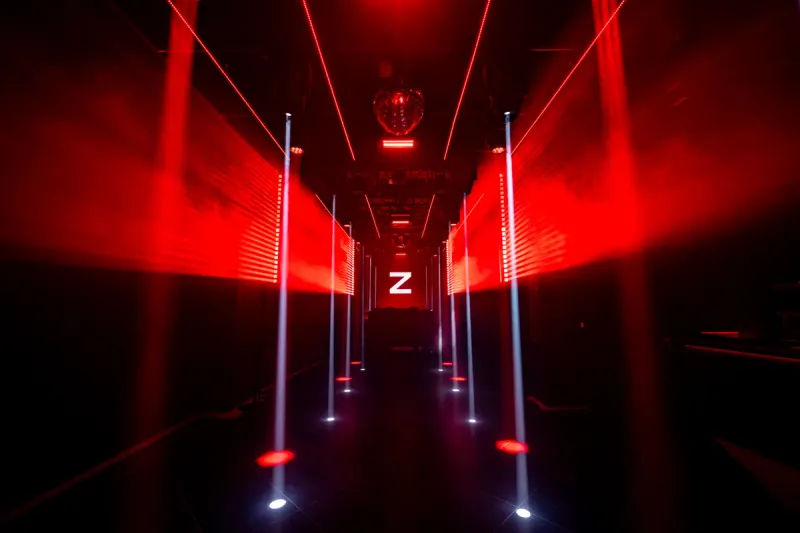
Z MARUYAMA sits right in the thick of Maruyama-cho’s nightlife cluster, and its perfect 5.0 rating tells you that the locals who frequent this area take it seriously. The vibe is distinctly Shibuya: a little cooler, a little less loud, a little more intentional than Shinjuku’s big clubs. This is the kind of bar where you start the evening and end up mapping out the rest of the night with recommendations from the staff. Maruyama-cho rewards wandering, and Z MARUYAMA is a solid starting point.

Z MARUYAMA
5

Z MARUYAMA

bar Shibuya
5.0 Google
  • Perfect 5.0 rating in Shibuya's best nightlife pocket
  • Maruyama-cho district vibe away from the main Shibuya crowds
  • Great late-night atmosphere
Tip

This area of Maruyama-cho has several great bars within walking distance. Make a night of it.

"Z MARUYAMA sits in the Maruyama-cho nightlife district of Shibuya, offering a more local, less touristy experience with a perfect Google rating."

Karaoke: Not Optional

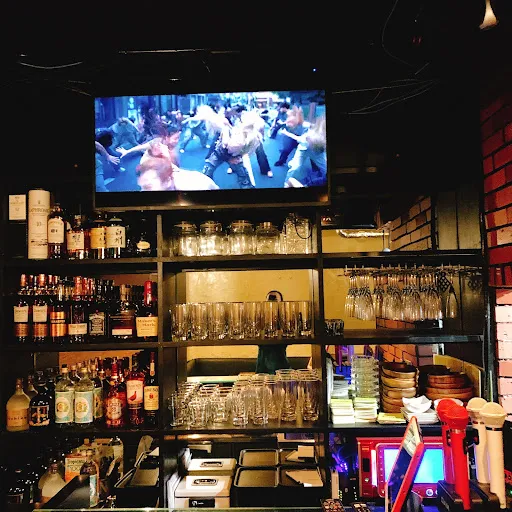
Karaoke in Tokyo is not the thing you do ironically after four drinks. It’s a genuine cultural institution, and the experience of renting a private room with friends (or strangers you met at a bar an hour ago) is one of the best things about going out here. The big chains like Big Echo and Karaoke Kan are everywhere and perfectly fine, but the smaller independent karaoke bars have more personality and often come with a bartender, a crowd of regulars, and the kind of atmosphere where a terrible rendition of Bohemian Rhapsody gets a standing ovation.

6. Karaoke Bar VAMOS

VAMOS is a karaoke bar rather than a karaoke box, which means you’re singing in front of other people, not hiding in a private room. That sounds terrifying until you’re actually there, at which point the energy in the room makes it clear that nobody cares if you can sing. The song selection is genuinely impressive, covering English, Japanese, Korean, and more. Groups do well here, but solo travellers can absolutely walk in and join the chaos. It’s the kind of place where the night starts with nervous laughter and ends with arm-around-shoulder duets with people whose names you never learned.

Karaoke Bar VAMOS
6

Karaoke Bar VAMOS

bar Shinjuku
5.0 Google
  • Perfect 5.0 rating for karaoke in Shinjuku
  • Wide song selection across multiple languages
  • Friendly atmosphere that welcomes tourists
Tip

Great for groups. The song selection covers English, Japanese, Korean, and more.

"A highly rated karaoke bar in Shinjuku known for its welcoming atmosphere and extensive song library spanning multiple languages."

7. KARAOKE BAR chakura

Chakura is the karaoke bar for the post-midnight crowd. Open late in Shinjuku, it’s the kind of place that fills up after the last train when people decide they’re not done yet but need something more structured than wandering between convenience stores. The song library is diverse, the atmosphere is relaxed, and the late hours make it a practical option when you’ve committed to an all-nighter. Plenty of visitors have used karaoke bars exactly like this one to bridge the gap until the 5 AM trains, which is a perfectly honourable Tokyo tradition.

7

KARAOKE BAR chakura

bar Shinjuku
5.0 Google
  • Perfect 5.0 Google rating
  • Diverse song selection including international hits
  • Open late in the heart of Shinjuku
Tip

Good option if you've missed the last train and want to sing until morning.

"A welcoming karaoke bar with a perfect rating and diverse song choices. Reviewers appreciate the laid-back atmosphere and late hours."

The Quieter End of the Spectrum

Not every great night in Tokyo involves volume. Some of the city’s best after-dark experiences happen in small bars where the music is low, the drinks are thoughtful, and the crowd is there because they genuinely care about what’s in their glass.

8. Spincoaster Music Bar

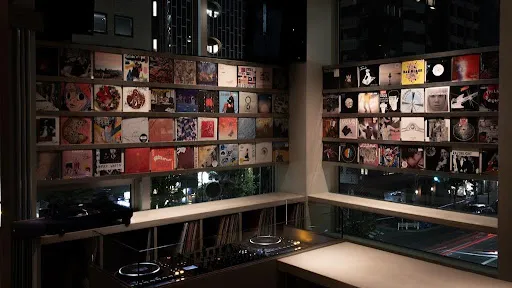
Spincoaster is an Ebisu music bar that takes its curation seriously. The vinyl collection is deep, the DJ sets lean indie and electronic, and the crowd tends toward people who actually listen to music rather than talk over it. Ebisu as a neighbourhood has a grown-up energy that makes it feel miles from Shinjuku’s chaos, and Spincoaster fits that mood perfectly. Check their Instagram before you go, because the event nights with guest DJs are worth planning around. This is the bar for the person who packs headphones for every trip and considers “good music” a non-negotiable part of going out.

Spincoaster Music Bar
8

Spincoaster Music Bar

bar Ebisu
4.9 Google
  • Music-forward bar with curated DJ sets and vinyl culture
  • Ebisu neighbourhood away from the tourist crowds
  • Strong 4.9 rating with a loyal following
Tip

Check their Instagram for event nights. The DJ sets tend to lean indie and electronic.

"Spincoaster Music Bar in Ebisu is a music-themed bar with a strong following. Guests love the curated playlists and vinyl-forward approach."

9. Wine Bar Juni

Nakameguro is the neighbourhood where Tokyo goes to be quietly cool, and Wine Bar Juni fits right in. The natural wine selection is thoughtfully curated, the space is cozy without being cramped, and the bartender has the kind of warmth that turns a quick glass into a two-hour stay. It’s open late enough to work as a nightcap destination after dinner, and the Nakameguro canal area is genuinely lovely to walk at night. If the high-energy Shinjuku scene isn’t your thing, this is where you should be instead.

9

Wine Bar Juni

bar Nakameguro
5.0 Google
  • Perfect 5.0 rating with thoughtful natural wine selection
  • Cozy late-night Nakameguro atmosphere
  • The kind of neighbourhood bar where everyone ends up talking
Tip

Go on a weeknight for a quieter vibe. The bartender's natural wine picks are always interesting.

"Wine Bar Juni is a cozy neighbourhood wine bar in Nakameguro with a perfect Google rating. The natural wine selection is excellent."

Late-Night Fuel

Every great night out in Tokyo ends the same way: with ramen. It’s practically a law. The post-club, post-karaoke, post-everything ramen run is one of the city’s most sacred rituals, and the fact that excellent ramen exists at 3 AM is one of the many reasons this city’s nightlife works as well as it does.

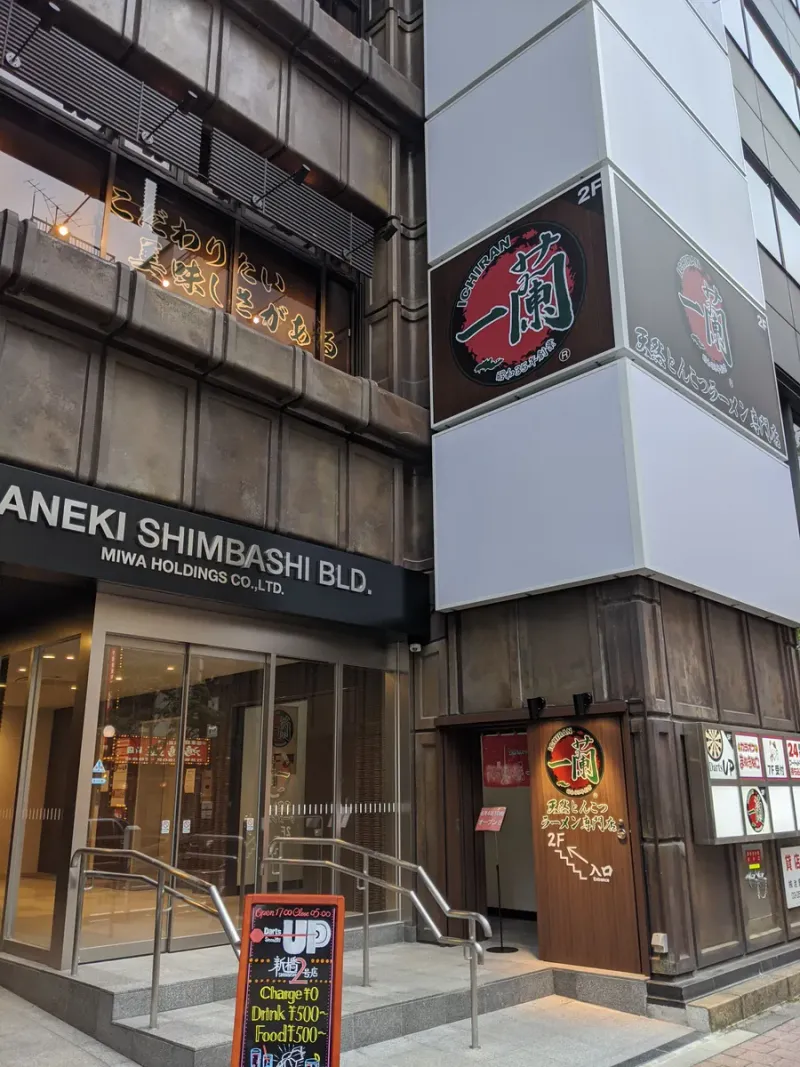
10. Ichiran Shimbashi

Ichiran is the 24-hour ramen chain that has become a late-night institution. The Shimbashi location never closes, which makes it the default destination when the night is over but you’re not ready to be horizontal yet. You sit in an individual booth, fill out a preference card (broth richness, spice level, garlic amount, noodle firmness), and your custom bowl appears through a window. The solo-booth setup is actually perfect at 3 AM when conversation has run out but hunger hasn’t. Two bowls with extras runs around ¥2,000, which is probably less than you spent on your last cocktail. The tonkotsu is rich, the noodles are firm, and the experience of eating alone in a private booth while the city sleeps outside is oddly meditative.

Ichiran Shimbashi
10

Ichiran Shimbashi

restaurant Shimbashi $$
4.2 Google
  • Open 24 hours for post-club ramen
  • Solo booth dining with complete privacy
  • Customizable tonkotsu with preference cards
Tip

Use the preference card to set broth richness, spice level, and garlic. The extra chashu is worth it at 3 AM.

"Ichiran Shimbashi serves customizable tonkotsu ramen in private solo booths around the clock. The 24-hour schedule makes it a go-to for late-night eaters."

A Few More Notes on Tokyo Nights

Omoide Yokocho at night is worth a detour even if you’ve already eaten. The narrow alley of yakitori stalls next to Shinjuku Station fills with smoke and laughter after dark, and grabbing a couple of skewers while standing shoulder-to-shoulder with salarymen winding down their evening is one of Tokyo’s most atmospheric experiences.

Roppongi deserves a mention, though it’s not represented on this list for a reason. The clubs are big, the international crowd is real, and venues like Zero Tokyo in the new Kabukicho Tower are pushing production values to absurd levels. But Roppongi also has the highest concentration of touts and overpriced bars in the city. If you go, stick to places you’ve researched in advance and ignore anyone who approaches you on the street.

All-night trains run on weekends and holidays on some lines, particularly the Yamanote Line. Check the schedule for your specific visit dates, because this changes the entire calculus of your night. When the trains run all night, there’s no midnight decision point. You just go until you’re done.

Cash is essential. The speakeasy with the ¥2,500 cocktails might not take cards. The Golden Gai bar definitely won’t. Carry at least ¥10,000 for a night out.

For the full rundown on Tokyo’s bar scene, including rooftop spots, whisky bars, and more cocktail recommendations, check out our best bars in Tokyo guide. And if you’re planning your nights around Shinjuku specifically, we have a full neighbourhood guide covering Golden Gai, Kabukicho, Omoide Yokocho, and more.

Frequently Asked Questions

Do clubs and bars in Tokyo have cover charges?
Most nightclubs charge ¥2,000-4,000 entry which usually includes one or two drinks. Golden Gai bars typically have a seating charge (otoshidai) of ¥300-1,000 per person, which is standard across Japan and replaces tipping culture. Cocktail bars and speakeasies generally don't have a cover, but expect drinks in the ¥1,500-2,500 range.
What time is the last train in Tokyo and how do I get home after?
Last trains run between midnight and 12:30 AM depending on your line. First trains resume around 5:00 AM. In between, your options are taxis (expensive, roughly ¥3,000-8,000 depending on distance), staying out until morning, or ducking into a karaoke room for a few hours. Many clubs stay open until 5 AM specifically to bridge this gap. On weekends and holidays, some lines run all-night services.
Do I need ID to get into Tokyo nightclubs?
Yes. Bring your passport. Japanese law requires you to be 20 to drink alcohol, not 18, and clubs check at the door. A photocopy or photo on your phone sometimes works at smaller bars, but major clubs like ATOM TOKYO require the real thing. No passport, no entry.
Is Tokyo nightlife safe for tourists and solo travellers?
Tokyo is one of the safest major cities in the world, and that extends to the nightlife districts. Shinjuku, Shibuya, and Roppongi are busy and well-lit well past midnight. The main things to watch for are inflated bills at unlicensed bars (avoid touts who approach you on the street, especially in Roppongi and Kabukicho) and missing your last train. Stick to places with Google reviews and you'll be fine.

More Tokyo Guides

3-Day Tokyo Itinerary (2026)

Itinerary

Three days, three pairs of neighbourhoods. This itinerary groups Tokyo by geography so you spend less time underground and more time eating, photographing, and getting properly lost.

14 places 3 days

5-Day Tokyo Itinerary (2026)

Itinerary

Five days, five neighbourhoods. This itinerary groups Tokyo by geography so you spend less time on trains and more time eating, exploring, and getting lost in the right way.

25 places 5 days

Things to Do in Asakusa, Tokyo (2026 Neighbourhood Guide)

Guide

Asakusa is Tokyo at its most traditional. While most of the city rebuilt itself into glass and steel after the war, this neighbourhood held onto its wooden shopfronts, its temple rituals, and its open-air drinking culture. Senso-ji has been standing here since the seventh century. Nakamise has been selling rice crackers and souvenirs since the Edo period. And Hoppy Street has been serving cheap beer alternatives to salarymen since the 1940s. It's the part of Tokyo that still feels like old Tokyo, and it's one of the few neighbourhoods where you can spend an entire day without running out of things to see, eat, and do.

13 places

Best Breakfast in Tokyo (2026) - From 6AM Sushi to Kissaten Toast

Vibe

Tokyo is one of the few cities where eating sushi at 6 AM is completely normal. Breakfast here spans everything from a three-piece sashimi set at a Tsukiji fish stall to a ¥500 kissaten morning set with toast so thick it could double as a pillow. This guide covers 11 ways to start your day, from the traditional to the trendy.

11 places

11 Best Brunch Spots in Tokyo (2026)

Vibe

Tokyo takes breakfast seriously, just not in the way you might expect. The city runs on kissaten morning sets, fluffy souffle pancakes that take 20 minutes to cook, and hotel buffets that could double as Michelin-level tasting menus. This guide covers all of it.

11 places

15 Best Cafes in Tokyo (2026)

Guide

Tokyo has over 550 cafes in our database alone, ranging from century-old kissaten to cafes where a capybara sits in your lap. These 15 cover matcha specialists, third-wave roasters, themed experiences, and traditional tea shops.

15 places

Save these places to your Tokyo trip

Tourli turns travel guides into actionable day plans. Save places, get walking directions, and share your itinerary — all in one app.