10 Best Museums in Tokyo (2026)
Tokyo's museum scene runs from ancient samurai swords to barefoot digital art installations where you wade through knee-deep water while digital koi swim around your ankles. The Roppongi Art Triangle packs three world-class galleries into a walkable radius. Ueno has a whole museum district. And some of the best gallery spaces in the city are free, tucked inside luxury brand buildings in Ginza.
Best Museums in Tokyo
Tokyo’s museum scene is genuinely weird in the best possible way. This is a city where you can start your morning looking at 800-year-old samurai swords in a hushed gallery, spend the afternoon wading barefoot through knee-deep water while digital koi fish swim around your ankles, and end the evening browsing contemporary art on the 53rd floor of a skyscraper while the city glitters below. The range is absurd, and almost nothing about it follows the patterns you’d expect from museums in London or New York.
Three areas anchor the scene. Roppongi has the Art Triangle: the Mori Art Museum, The National Art Center, and the Suntory Museum of Art, all within walking distance of each other and all with legitimately strong programming. Ueno Park has a whole museum district anchored by the Tokyo National Museum, the oldest and largest museum in Japan with over 110,000 objects spanning millennia. And then there are the surprises. Free galleries hidden inside luxury brand buildings in Ginza. A photography museum tucked into a garden complex in Ebisu. A retro nostalgia museum in Odaiba that recreates 1960s Japanese shopping streets, complete with working vintage arcade machines.
This guide covers 10 museums across the spectrum, from the teamLab installations that have become Tokyo’s most-Instagrammed experiences to a quiet garden museum in Omotesando that makes you forget you’re in a city of 14 million people.
1. teamLab Borderless
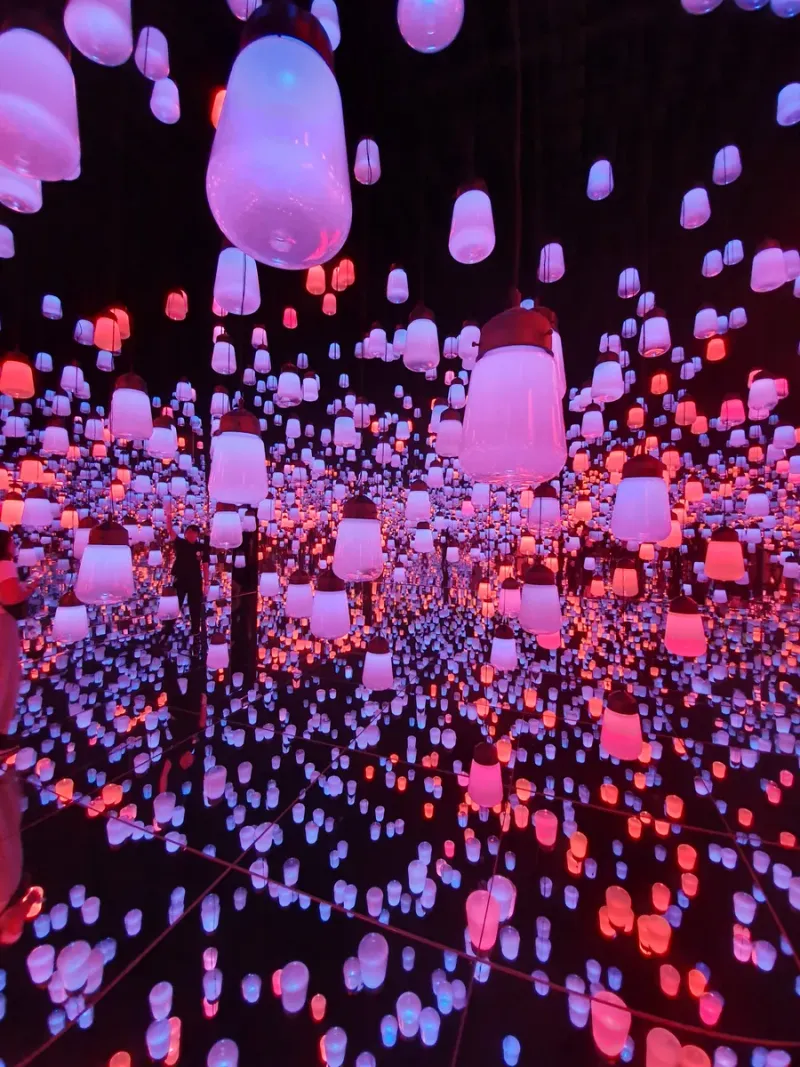
This is probably the single most talked-about museum experience in Tokyo right now, and for once the hype is mostly warranted. teamLab relocated Borderless from Odaiba to Azabudai Hills in 2023, and the new space is bigger, more refined, and somehow even more disorienting than the original. The concept is simple to explain and impossible to fully grasp until you’re inside: rooms of flowing, overlapping digital projections that respond to your presence. Walk toward a wall of cascading flowers and they scatter. Stand still and butterflies land on your shoulders. The art bleeds between rooms with no clear boundaries, which is where the “borderless” part comes in.
Here’s the honest bit. On weekends and holidays, the crowds can be thick enough to dull the magic. You’ll be trying to have a contemplative moment with a waterfall of light while someone’s ring light flashes behind you. Weekday mornings are a completely different experience. Wear dark clothing so the projections show up better on your body. Budget at least two hours, ideally three. And yes, it’s worth the ticket price, which runs around ¥3,800 for adults.

teamLab Borderless
- Immersive digital art that responds to your movement
- Relocated to Azabudai Hills in 2023 with new installations
- One of the most photographed museums in the world
Go on a weekday. Wear dark clothing to blend into the projections. Allow 2-3 hours minimum.
"A unique immersive experience where art, light, and technology blend seamlessly. The new Azabudai Hills location is larger and more refined than the original Odaiba site."
2. teamLab Planets
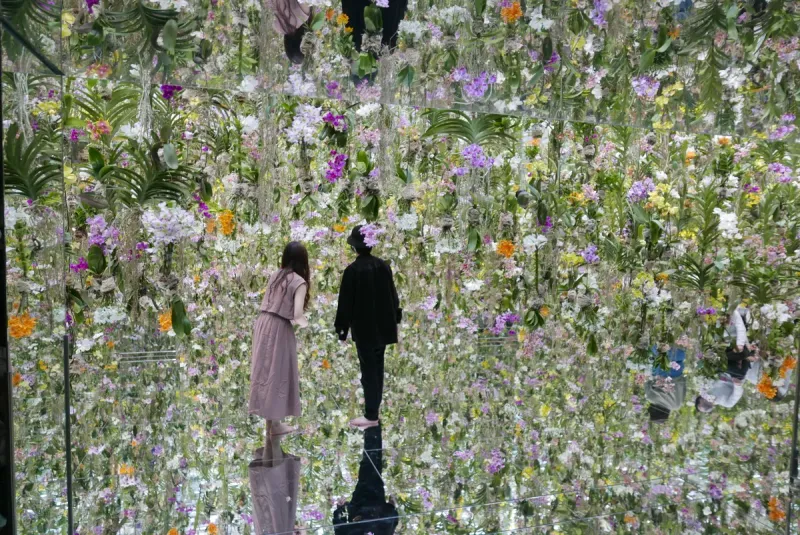
Planets is the other teamLab, and the two get confused constantly. Here’s the difference: Borderless is about wandering through rooms of projected art. Planets is about your body. You take off your shoes and socks at the entrance and spend the next hour wading barefoot through warm water installations, lying in fields of projected flowers, and walking through rooms where the floor drops away into what feels like infinite digital space. It’s more physical, more sensory, and honestly more memorable than Borderless for a lot of visitors.
The catch: teamLab Planets is closing permanently in 2027. That gives you roughly a year to visit, and ticket demand has only increased since the closure was announced. The water rooms mean you’ll want to wear shorts or trousers you can roll up to the knee. Lockers are provided for your things. The whole experience takes about 60-90 minutes and you’ll come out with wet feet and a slightly altered sense of reality. Fair warning, the infinity mirror rooms can be genuinely disorienting for people with vertigo.

teamLab Planets
- Barefoot walk-through water installations unlike anything else
- Closing permanently in 2027, so visit while you can
- More physical and sensory than Borderless
Wear shorts or trousers you can roll up. You'll be barefoot in knee-deep water. Lockers provided.
"A body-immersive museum where you walk barefoot through water installations with digital koi, lie in fields of flowers, and lose your sense of space entirely."
3. Mori Art Museum
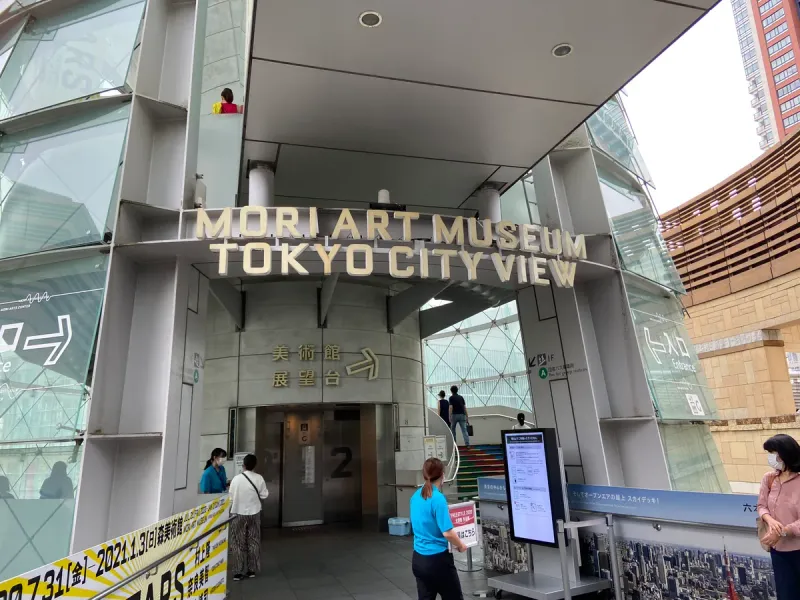
Up on the 53rd floor of Roppongi Hills Mori Tower, this is Tokyo’s premier contemporary art museum and one corner of the Roppongi Art Triangle. The exhibitions rotate every few months and tend toward ambitious, large-scale shows covering everything from architecture to social justice to the intersection of art and technology. What makes Mori special beyond the art itself is the location. Your ticket includes access to the Tokyo City View observation deck on the same floor, and on clear days you can see all the way to Mount Fuji. The smart move is to arrive in the late afternoon, see the exhibition, then watch the sunset from the observation area.
Not every exhibition lands. Some lean too heavily on wall text and concept over visual impact. But when they get it right, it’s one of the best museum experiences in Asia. The gift shop on the way out is excellent too, if you’re into art books and Japanese design objects.

Mori Art Museum
- Contemporary art on the 53rd floor with panoramic Tokyo views
- One corner of the Roppongi Art Triangle
- Exhibitions rotate every few months with major international artists
Your ticket includes the Sky Deck observation area. Go near sunset for the best city views.
"A leading contemporary art museum perched atop Roppongi Hills with sweeping views of the Tokyo skyline. Exhibitions tend toward large-scale installations and socially engaged art."
4. The National Art Center, Tokyo
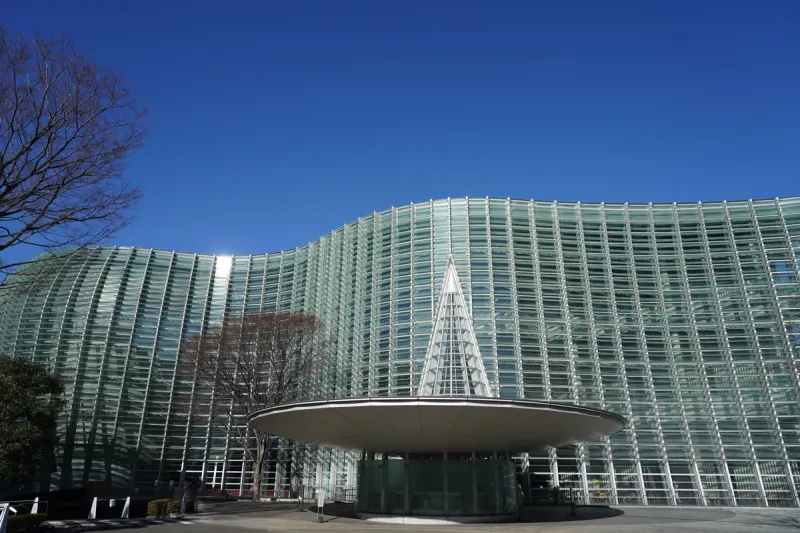
Even if you have zero interest in whatever exhibition is showing, this building is worth visiting for the architecture alone. Kisho Kurokawa designed the facade as a massive undulating glass wave that catches sunlight differently throughout the day. Inside, the cavernous atrium houses two inverted cone structures, one of which holds a Paul Bocuse restaurant with surprisingly good French food. The museum has no permanent collection, which is unusual. Instead, it functions as Japan’s largest exhibition space, hosting rotating shows that range from blockbuster retrospectives to annual art association competitions.
The lack of a permanent collection means you absolutely need to check what’s on before visiting. Some weeks the exhibitions are world-class. Other weeks they’re niche association shows that won’t mean much to casual visitors. When in doubt, come for the building and the cafe, skip the ticketed exhibitions, and walk over to the Mori Art Museum or Suntory Museum of Art to round out your Roppongi Art Triangle day.

The National Art Center, Tokyo
- Kisho Kurokawa's stunning undulating glass facade
- No permanent collection means every visit is different
- The Paul Bocuse restaurant on the top floor is excellent
Check which exhibitions are running before you go. The building itself is worth seeing even if the shows don't interest you.
"Japan's largest exhibition space with a breathtaking wave-like glass exterior. Rotating exhibitions span painting, sculpture, photography, and design."
5. Nezu Museum
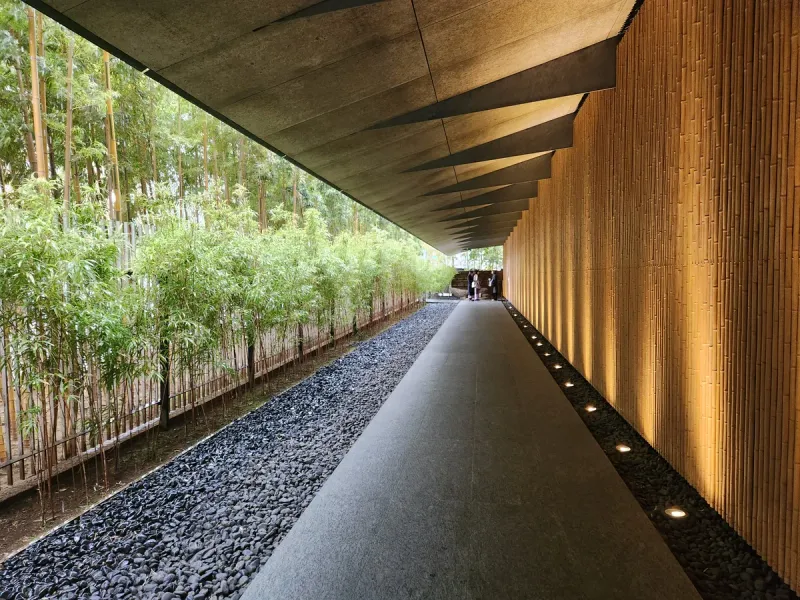
After the sensory overload of teamLab and the scale of Roppongi’s art museums, Nezu is the antidote. It’s a ten-minute walk from the madness of Omotesando’s fashion boutiques, but stepping through the bamboo-lined entrance designed by Kengo Kuma feels like crossing into another century. The collection covers pre-modern Japanese and East Asian art: Buddhist sculpture, calligraphy, ceramics, lacquerware. The pieces are beautiful and the curation is careful, but most visitors will tell you honestly that the garden is the main event.
The garden sprawls across a hillside behind the museum with winding stone paths, moss-covered lanterns, tea houses, and a koi pond. It’s one of the most peaceful spots in central Tokyo. Bring a book, sit on one of the benches near the pond, and forget that Harajuku is ten minutes away. Spring is ideal for the irises. Autumn brings spectacular leaf colour. Even in summer, the tree canopy keeps things shaded and cool. Admission is around ¥1,500.

Nezu Museum
- Pre-modern Japanese and Asian art in a serene setting
- One of Tokyo's most beautiful traditional gardens
- Designed by Kengo Kuma with a striking bamboo entrance
Spend as much time in the garden as the galleries. The bamboo paths and tea houses are the real highlight.
"A tranquil escape from Omotesando's shopping frenzy. The garden with stone paths, tea houses, and a koi pond is consistently called worth the admission alone."
6. Ghibli Museum
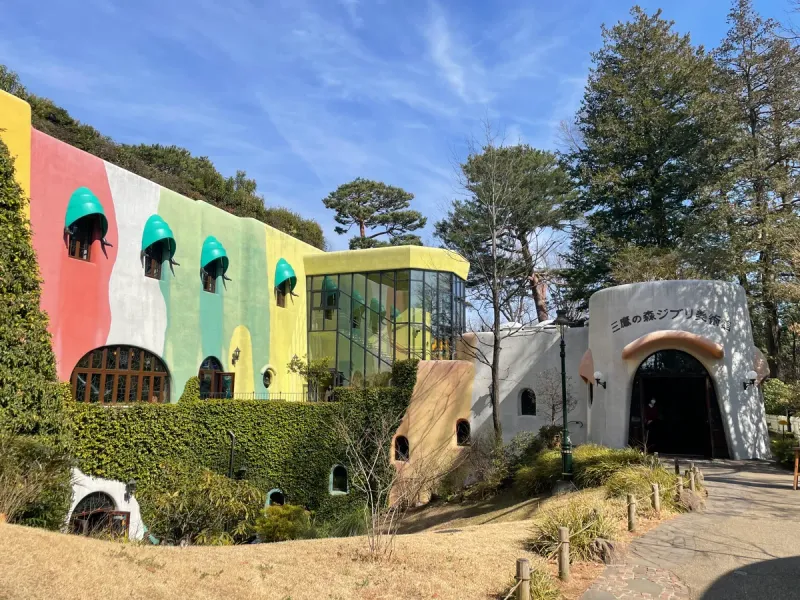
If you grew up watching Spirited Away, My Neighbour Totoro, or Princess Mononoke, the Ghibli Museum in Mitaka is a pilgrimage. Hayao Miyazaki designed the building himself, and every detail feels like stepping into one of his films. Stained glass windows throw coloured light across spiral staircases. A life-size Robot Soldier from Castle in the Sky guards the rooftop garden. The Cat Bus room (for kids, technically, but adults stare longingly through the window) is exactly as soft and chaotic as you’d hope.
The museum also screens exclusive short films that you cannot see anywhere else. They rotate, so repeat visitors get different ones. No photography is allowed inside, which sounds annoying but actually preserves something rare: a museum experience that lives in your memory rather than your camera roll.
Now for the bad news. Tickets sell out almost instantly. They go on sale on the first of each month for the following month, usually through the Lawson convenience store system or the official website. If you want to go, set a calendar reminder and be ready to click the moment they drop. It’s a 20-minute walk from Mitaka Station on the Chuo Line, or you can take the shuttle bus. Plan half a day for the trip since it’s outside central Tokyo.

Ghibli Museum
- The only place to see exclusive short Ghibli films
- Miyazaki designed the building himself with hidden details everywhere
- The rooftop garden with the life-size Robot Soldier from Laputa
Tickets sell out weeks ahead. Buy from Lawson or the official site on the first of each month. No photos inside.
"A magical museum for Studio Ghibli fans. Hayao Miyazaki designed the space to feel like walking into one of his films. Exclusive short films and the rooftop Robot Soldier are highlights."
7. Maison Hermès Le Forum
This is one of Tokyo’s best-kept secrets in the gallery world, and it’s completely free. The Hermès flagship store in Ginza occupies a Renzo Piano-designed building made of glass blocks that glow like a lantern at night. On the upper floors, Le Forum hosts rotating contemporary art exhibitions that are curated with the kind of care you’d expect from a museum charging ¥2,000 admission. The shows lean toward installation art and tend to be thoughtful rather than flashy.
The space is small. You’ll be in and out in 30 minutes. But the quality-per-square-metre ratio is remarkable, and the fact that a luxury fashion house is doing this for free, without plastering their brand all over the art, is genuinely commendable. Pair it with a walk through the Ginza district. If you like this format, the Shiseido Gallery and Pola Museum Annex in the same neighbourhood follow a similar free-gallery-inside-corporate-building model.
Maison Hermès Le Forum
- Free contemporary art gallery inside Renzo Piano's glass-block building
- Curated exhibitions that rival paid galleries
- The building itself is an architectural landmark in Ginza
Free admission, always. Check their site for current exhibitions before visiting.
"A small but impeccably curated gallery space inside the Hermès flagship store. The Renzo Piano-designed glass-block building filters natural light beautifully. Completely free."
8. Tokyo Photographic Art Museum
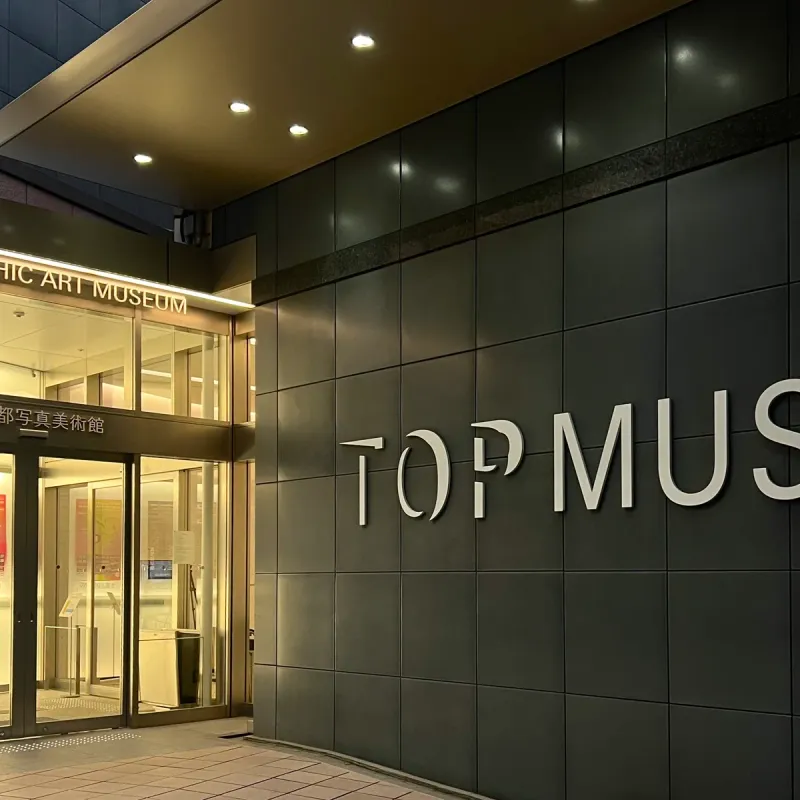
Tucked inside the Yebisu Garden Place complex in Ebisu, this is Japan’s only museum dedicated entirely to photography and moving images. Three gallery floors host rotating exhibitions that cover everything from classic Japanese street photography to contemporary international work. The permanent collection is strong on post-war Japanese photographers, and if names like Daido Moriyama or Nobuyoshi Araki mean anything to you, this is your museum.
Even for people who aren’t photography nerds, the exhibitions tend to be visually engaging and well-explained in English. The museum shop has an excellent selection of photo books. And the location in Yebisu Garden Place is pleasant for an afternoon stroll. The old Yebisu Beer Museum is right next door if you want to follow up art with a tasting. Admission runs ¥700-1,200 depending on the exhibition.

Tokyo Photographic Art Museum
- Japan's only museum dedicated entirely to photography and moving images
- Three floors of rotating exhibitions from emerging to legendary photographers
- Located in the pleasant Yebisu Garden Place complex
Combine with the Yebisu Beer Museum next door for a full Ebisu afternoon.
"A focused photography museum with thoughtfully curated exhibitions across three gallery floors. The building is part of the Yebisu Garden Place complex."
9. Small Worlds
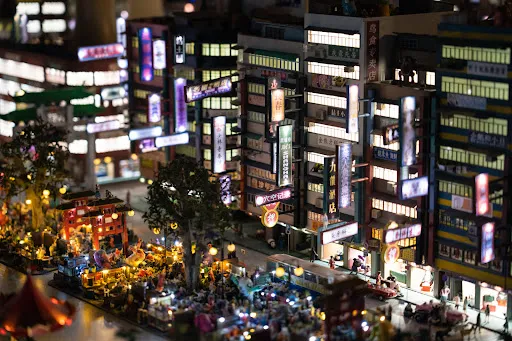
Small Worlds in Ariake is one of those museums that sounds like it might be a tourist trap and then turns out to be genuinely impressive. It’s the world’s largest indoor miniature theme park, with incredibly detailed 1/80-scale recreations of cities, airports, and fictional worlds. Tiny planes taxi down runways. The lighting shifts from day to night. Thousands of hand-placed figures go about their tiny lives. Licensed zones include Evangelion and Sailor Moon, which draw anime fans, but the non-licensed sections are equally fascinating. The working miniature Kansai International Airport is mesmerizing.
The gimmick that gets people talking: you can 3D-scan yourself and have a tiny figurine of you placed inside one of the miniature worlds. It’s a genuinely fun souvenir, though the scan takes some time and costs extra. Kids love this place, obviously, but so do adults who appreciate craftsmanship and obsessive attention to detail. It’s out in Ariake near the Tokyo Big Sight convention centre, so combine it with a trip to Odaiba.

Small Worlds
- Incredibly detailed miniature worlds at 1/80 scale
- Licensed zones include Evangelion, Sailor Moon, and a space center
- You can 3D-scan yourself and become a resident of the miniature city
The Evangelion and Sailor Moon zones are the most popular. You can buy a tiny figurine of yourself to place in the miniature world.
"A miniature theme park with astonishing attention to detail. Tiny cities with working airports and day-night cycles. The ability to insert your own miniature self is a fun souvenir."
10. Odaiba Retro Museum
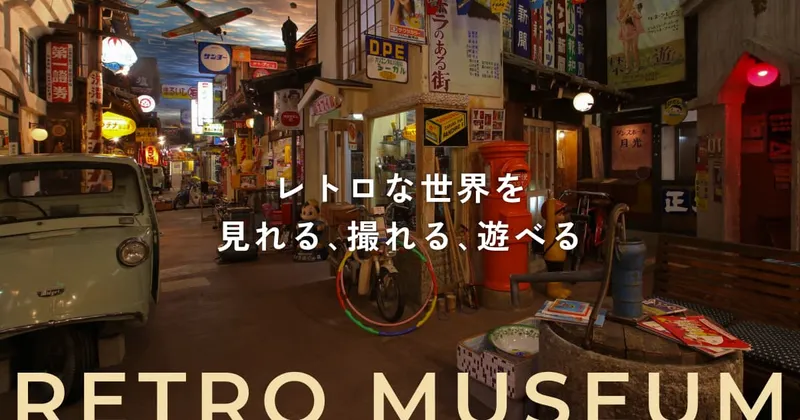
This one is a bit of a wildcard, and that’s why it’s here. The Odaiba Retro Museum recreates Japanese shopping streets and arcades from the 1960s through 1980s, and it does it with enough detail and charm to earn a 4.8 Google rating, the highest of any museum on this list. Old-school storefronts line narrow lanes. Vintage game machines actually work (bring coins). Retro candy shops sell sweets from decades past. The whole thing feels like walking into someone’s detailed, loving memory of mid-century Tokyo.
You don’t need any personal connection to the era to enjoy it. The craftsmanship is the point. It’s inside the Decks Tokyo Beach complex in Odaiba, which makes it easy to combine with Small Worlds in nearby Ariake, or the life-size Unicorn Gundam statue outside DiverCity. A good rainy-day option, and one of the few museums in Tokyo where you’ll find yourself smiling the entire time.

Odaiba Retro Museum
- A recreation of 1960s-80s Japanese shopping streets and arcades
- Working vintage game machines and retro candy shops
- Highest Google rating of any museum on this list at 4.8
Bring coins for the vintage arcade machines. Many of them actually work.
"A nostalgic recreation of mid-century Japanese life with old-school shopping streets, vintage arcade games, and retro signage. Popular with families and couples."
Honourable Mentions
A few museums that didn’t make the main list but are worth knowing about. The Tokyo National Museum in Ueno Park is the oldest and largest museum in Japan, with over 110,000 objects including samurai armour and Buddhist sculpture. It’s essential if you care about Japanese history. The Edo-Tokyo Museum in Ryogoku just reopened on March 31, 2026 after a four-year renovation, and early reports suggest the refresh was worth the wait. And 21_21 Design Sight in Tokyo Midtown is a Tadao Ando-designed space focused on design rather than fine art, with a folded-steel roof inspired by Issey Miyake’s fabric work.
How to Plan a Museum Day in Tokyo
The most efficient approach is to cluster by neighbourhood. A Roppongi Art Triangle day covers the Mori Art Museum, National Art Center, and Suntory Museum of Art in a single walkable loop. Pair the Nezu Museum with Omotesando shopping. Combine teamLab Planets in Toyosu with Small Worlds and the Odaiba Retro Museum for an east-side day. The Ghibli Museum in Mitaka needs its own half-day since it’s outside central Tokyo.
The Grutto Pass (around ¥2,500) is worth buying if you plan to visit three or more museums. It covers discounted or free entry to over 100 venues across Tokyo. Most museum gift shops are excellent and stock items you won’t find in regular stores. English signage varies wildly: teamLab and Mori are fully bilingual, while some smaller museums have minimal English. Google Translate’s camera mode handles most Japanese wall text reasonably well.
One practical note: many Tokyo museums close on Mondays or Tuesdays, but the specific day varies. Always check before you go. Nothing ruins a museum day faster than arriving at a locked door.
For more ideas on what to do in Tokyo beyond museums, check out our things to do in Tokyo guide, which covers temples, towers, street food, and the neighbourhoods that make this city unlike anywhere else.
Planning your trip to Tokyo? Save these museums to your itinerary with Tourli, the app that turns travel guides into actionable day plans.
Frequently Asked Questions
Is there a museum pass for Tokyo?
Which Tokyo museums are free?
What is the Roppongi Art Triangle?
Which Tokyo museums are best for kids?
More Tokyo Guides
3-Day Tokyo Itinerary (2026)
ItineraryThree days, three pairs of neighbourhoods. This itinerary groups Tokyo by geography so you spend less time underground and more time eating, photographing, and getting properly lost.
5-Day Tokyo Itinerary (2026)
ItineraryFive days, five neighbourhoods. This itinerary groups Tokyo by geography so you spend less time on trains and more time eating, exploring, and getting lost in the right way.
Things to Do in Asakusa, Tokyo (2026 Neighbourhood Guide)
GuideAsakusa is Tokyo at its most traditional. While most of the city rebuilt itself into glass and steel after the war, this neighbourhood held onto its wooden shopfronts, its temple rituals, and its open-air drinking culture. Senso-ji has been standing here since the seventh century. Nakamise has been selling rice crackers and souvenirs since the Edo period. And Hoppy Street has been serving cheap beer alternatives to salarymen since the 1940s. It's the part of Tokyo that still feels like old Tokyo, and it's one of the few neighbourhoods where you can spend an entire day without running out of things to see, eat, and do.
Best Breakfast in Tokyo (2026) - From 6AM Sushi to Kissaten Toast
VibeTokyo is one of the few cities where eating sushi at 6 AM is completely normal. Breakfast here spans everything from a three-piece sashimi set at a Tsukiji fish stall to a ¥500 kissaten morning set with toast so thick it could double as a pillow. This guide covers 11 ways to start your day, from the traditional to the trendy.
11 Best Brunch Spots in Tokyo (2026)
VibeTokyo takes breakfast seriously, just not in the way you might expect. The city runs on kissaten morning sets, fluffy souffle pancakes that take 20 minutes to cook, and hotel buffets that could double as Michelin-level tasting menus. This guide covers all of it.
15 Best Cafes in Tokyo (2026)
GuideTokyo has over 550 cafes in our database alone, ranging from century-old kissaten to cafes where a capybara sits in your lap. These 15 cover matcha specialists, third-wave roasters, themed experiences, and traditional tea shops.
Save these places to your Tokyo trip
Tourli turns travel guides into actionable day plans. Save places, get walking directions, and share your itinerary — all in one app.