
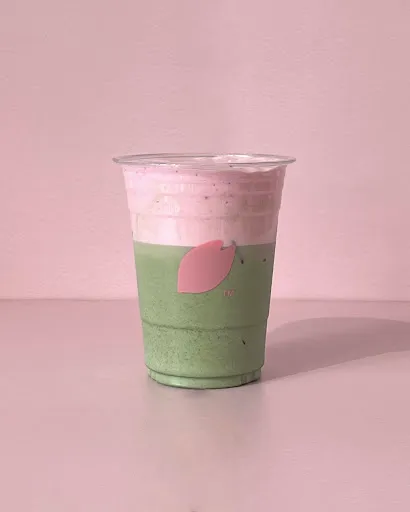
Order the plain matcha first (¥690) to taste the powder on its own. It also sells matcha powder, whisks and bowls.
Grab a ¥690 matcha at SACYA in Shibuya Scramble Square, sit down with a bowl and a sweet at Toraya or Kosoan's 1950s tea room, and buy your tin at Ippodo by Tokyo Station.
If you only have ten minutes, get a ¥690 matcha from SACYA in the basement of Shibuya Scramble Square. If you have an hour, sit down with a bowl and a sweet at Toraya in Akasaka (¥1,210) or at Kosoan, a tea room in an old wooden house in Jiyugaoka (¥1,200). And for the tea itself, go to Ippodo by Tokyo Station, which whisks thin matcha for ¥972 and thick koicha for ¥1,620 and sells tea to take home.
Most of these close early, often by 6pm, and a few shut one weekday, so check the hours on each card. For coffee and the rest of Tokyo's café scene, see the best cafés in Tokyo, and for full meals start with the best restaurants in Tokyo.
Quick matcha, made properly
SACYA is a small stand two floors below street level in Shibuya Scramble Square, the tower above Shibuya Station, and it's the easiest good matcha in Tokyo to fit into a day. The matcha is made fresh to order, and the plain matcha (iced or hot) costs ¥690. The latte is ¥720; the flavoured ones (lavender, chai, strawberry) run ¥890 to ¥920, and the Kinuccino, a matcha latte under a strawberry milk foam, is ¥950.
There's shared table seating but no café to linger in, so think of it as a pit stop on the way to Shibuya Sky or the crossing. It also sells its own matcha powder, a whisk and a bowl if you want to make it at home. Open 10am to 9pm every day. The catch: it's a stand in a station mall, with none of the calm of a tea room. For the rest of the area, see our Shibuya guide.

Order the plain matcha first (¥690) to taste the powder on its own. It also sells matcha powder, whisks and bowls.
Ippodo's Tokyo counter is in the basement of the Shin-Marunouchi Building, about two minutes underground from the Marunouchi North Exit of Tokyo Station. It's a take-out counter run by the tea merchant's own staff, and it's the place to taste matcha the way a tea shop makes it: ¥972 for usucha (thin, frothy, the everyday kind) and ¥1,620 for koicha, thick matcha made with far more powder, which few counters in Tokyo sell to go. Matcha latte is ¥1,080, and a small sweet is ¥307 more.
It sells loose tea and matcha to take home too, so this is also the easiest place near Tokyo Station to buy a tin before a train. Open 11am to 9pm (last call 7pm), or to 8pm on Sundays and holidays. The catch: it's a basement counter in an office tower, not somewhere to sit for an hour, and eating in is taxed at 10% rather than the 8% take-away rate.
About 2 minutes underground from the Marunouchi North Exit ticket gate of JR Tokyo Station. Try the koicha: few counters sell thick matcha to take away.
Nakamura Tokichi was founded in 1854 in Uji, the town south of Kyoto famous for matcha, and its Ginza store on the 4th floor of GINZA SIX is a café and tea shop in one. It's the place for a sit-down matcha and a matcha sweet in Ginza, and you can pick up a tin from the tea shop on the way out. For matcha in Kyoto and Uji, see the best matcha in Kyoto.
It doesn't take reservations, and when it's busy it can stop taking orders before the 7:30pm last call, so the morning, soon after the 10:30am opening, is the easy time. Prices aren't listed on its site. It's two minutes on foot from Ginza Station. For more in the area, see our Ginza guide. The catch: queues at weekends.
It doesn't take bookings, and it may stop taking orders before last call when it's busy, so come in the morning. Prices aren't listed on its site.
Toraya is one of Japan's great wagashi (Japanese sweets) makers, and its Akasaka main store has a café, Toraya Karyo, where you can sit with a bowl of its own Uji matcha, Kyo no Shirabe, for ¥1,210, or an iced matcha glacé for the same price.
The better order is the yokan set (¥1,760): a slab of Toraya's yokan (sweet bean jelly) with any drink. Pick Shinryoku, the matcha yokan, and have matcha with it. The café opens at 11am and takes last orders at 5pm, and the store closes on the 6th of every month except December, so check the date. It's 7 minutes on foot from exit A of Akasaka-mitsuke Station. The catch: it's a sweet shop first, so come for a bowl of matcha and yokan, not a matcha-latte menu.
7 minutes on foot from exit A of Akasaka-mitsuke Station (Marunouchi and Ginza lines). Get the yokan set and pick Shinryoku with a bowl of matcha: matcha twice for ¥1,760.
HIGASHIYA GINZA is a modern wagashi shop and tea salon on the 2nd floor of the POLA building at the quiet north end of Ginza. The salon serves usucha (thin matcha) from ¥2,200, with seasonal sweets that are the reason most people come, and a long, bookable tea meal called Sajikie (¥14,000, two people or more) that finishes with matcha.
Book the salon on TableCheck. Open 11am to 7pm (last order 6pm). The catch: it's closed on Mondays for the time being, and at ¥2,200 a bowl it's a splurge. Our Ginza guide has more for the afternoon.

The tea salon takes bookings on TableCheck. Closed on Mondays.
Sakurai Japanese Tea Experience is a tea room on the 5th floor of the Spiral building in Aoyama, where the tea is brewed for you course by course. It isn't a matcha café: the tea course (from ¥5,950) takes you through gyokuro, a blended tea, a roasted tea and then matcha, with a wagashi sweet. If you love tea rather than just matcha, this is the most interesting hour you can spend on it in Tokyo.
For less, order one tea with a sweet (from ¥2,500), brewed up to three times. On weekdays the tea room stays open until 11pm (last order 9:30pm), so it works after dinner too; at weekends it closes at 8pm. Book on TableCheck. The catch: the matcha comes as one step in a course, not as a bowl on its own.
Book the counter on TableCheck. Matcha comes as part of the course rather than on its own.
Kosoan is a tea room in a family house in Jiyugaoka, a well-off shopping neighbourhood in southwest Tokyo. The house dates from the 1920s, and its tea room, built from old mulberry wood, was finished in 1954 and named by the novelist Matsuoka Yuzuru, Natsume Soseki's son-in-law. You sit on tatami among the family's antiques and the cloth dolls its founder made.
Matcha with a seasonal wagashi is ¥1,200, the same as a bowl of matcha shiratama zenzai (sweet red beans with rice-flour dumplings); a matcha au lait is ¥1,100. It's 5 minutes on foot from the main exit of Jiyugaoka Station on the Tokyu Toyoko line. Open from 11am (noon on weekdays), last order 5:30pm. The catch: it's closed every Wednesday and on the 1st and 3rd Thursday of the month.
5 minutes on foot from the main exit of Jiyugaoka Station (Tokyu Toyoko and Oimachi lines). It sometimes closes for a day or two at short notice; the news page on its site lists them.
Yamamotoyama has sold tea and nori since 1690, and its flagship, Fujie, on the ground floor of the Takashimaya Mitsui Building, has a tea room as well as the shop. Matcha comes in two grades: Tenkaichi at ¥1,200 and the house Fujie Saryo at ¥1,800. There's matcha warabimochi (¥1,200) and matcha zenzai (¥1,000), and, if you're done with sweets, a matcha beer (¥1,200).
The shop sells its own tea leaves, nori and tea ware, so it's a good stop for presents. Tea room 11am to 5:30pm (last order 5pm). The entrance is on the street, not inside the Takashimaya shopping centre. The catch: it closes early, like most of the old Nihonbashi shops.
The entrance is on the street, not inside the Takashimaya shopping centre. Yamamotoyama has been selling tea and nori since 1690.
Garden tea houses
Nakajima no Ochaya stands on a small island in the tidal pond of Hamarikyu Gardens, the old shogun's garden by Shiodome, reached by a long wooden bridge. The tea house was rebuilt in 1983, and you drink matcha with a sweet looking out over the water. Entry to the garden is ¥300 (¥150 for 65 and over, free for primary school age and under); the tea house doesn't post its own prices online.
The tea house is open 9am to 4:45pm (last order 4:30pm), but the garden stops letting people in at 4:30pm and closes 29 December to 1 January, so come by mid-afternoon. On Thursdays the garden runs guided visits to its rebuilt shogun's tea houses. The catch: it's a sit-down in a park, so allow at least an hour for the walk round as well. For more gardens, see the best walks in Tokyo.
Cross the long wooden bridge to the island. Go before 4:30pm, when the garden stops letting people in.
Matcha lattes, organic
THE MATCHA TOKYO uses organic matcha and is the easy matcha latte stop for shoppers in Omotesando and Harajuku. The Omotesando café has 25 seats, open 11am to 7pm; there are also branches at Harajuku, Shibuya Miyashita Park, NEWoMan Shinjuku, atre Ebisu and Tokyo Skytree Town.
It's cashless only, and its prices aren't on its site. Our best cafés guide cards its Harajuku shop, and our Harajuku and Omotesando guide has the rest of the street. The catch: it's a latte bar, not a tea room, so come for a drink to go rather than a quiet bowl.
No cash. Other branches include Shibuya Miyashita Park, NEWoMan Shinjuku and Tokyo Skytree Town. Menu prices aren't on its site.
Matcha is powdered green tea whisked with hot water. Usucha is thin matcha, the light, frothy everyday kind, and it's what you get when a menu just says matcha. Koicha is thick matcha, with much more powder and much less water; Ippodo sells it to take away for ¥1,620.
Wagashi are Japanese sweets, usually made from sweet bean paste, and they're served with matcha to balance its bitterness: eat the sweet first, then drink. Hojicha is roasted green tea, brown and gentle, and many matcha cafés sell a hojicha latte too. Uji, near Kyoto, is Japan's best-known matcha town: Nakamura Tokichi was founded there, and Toraya's matcha is Uji tea.
Buy from a tea merchant, not a gift shop. Near Tokyo Station, Ippodo in the Shin-Marunouchi Building sells its tea and matcha to take home. In Ginza, Nakamura Tokichi has a tea shop next to its café in GINZA SIX. In Nihonbashi, Yamamotoyama sells its own tea leaves and tea ware. In Shibuya, SACYA sells its matcha powder with a whisk and a bowl.
Matcha loses its colour and flavour once it's open, so a small tin you'll finish in a few weeks beats a big bag. For Kit Kats, Tokyo Banana and the rest of the presents, and how the new tax refund for tourists works, see our Tokyo souvenirs guide.
Pair SACYA with Shibuya, Ippodo with a train from Tokyo Station, Nakamura Tokichi or HIGASHIYA with Ginza, Toraya with Akasaka, and Hamarikyu with Tsukiji's outer market nearby (see our Tsukiji and Toyosu guide). Kosoan is the only one worth a special trip, and Jiyugaoka is a pleasant half-day for shopping around it.
Remember the early closing times: Toraya, Yamamotoyama and Hamarikyu wind down around 5pm, so do tea rooms in the afternoon and leave SACYA, Ippodo and Sakurai for the evening. For more ideas, see things to do in Tokyo. Planning your trip? Save these tea houses to your itinerary with Tourli, the app that turns travel guides into day-by-day plans.
Stop reading lists.
Start the trip.
Tourli turns any guide into an actionable day plan — pinned to a map, walking directions and offline access included. One tap to save every place on this page.