Things to Do in Akihabara, Tokyo (2026 Guide)

Akihabara is Tokyo's electric heart of otaku culture, a neighbourhood where eight-storey anime shops sit next to retro gaming arcades, capsule toy machines line every spare wall, and you can eat some of the city's best sushi between rounds of vintage Street Fighter. This guide covers the anime shops, the arcades, the themed cafes, and the surprisingly great food that makes Akihabara worth a full day of your trip.

Places
5
Avg Rating
5.0
City
Tokyo

Things to Do in Akihabara: A Neighbourhood Guide

Akihabara doesn’t ease you in. You step out of the JR station’s Electric Town exit and immediately the signage is ten storeys tall, the jingles are playing from every doorway, and someone in a maid costume is handing you a flyer. It is loud, dense, and completely without subtlety. For a neighbourhood originally known for selling radio parts in the post-war black market, it has pivoted hard into anime, gaming, and otaku culture over the past three decades, and it does all of it with an intensity that no other district in Tokyo can match.

But here is what most guides won’t tell you: Akihabara also has some of the best sushi in the city. Seriously. A handful of tiny omakase counters have set up shop in this neighbourhood, and because most tourists are busy buying figurines, you can sometimes get a seat at a place that would have a three-month waitlist in Ginza. The food scene here is one of the genuine surprises.

This guide covers the full Akihabara experience, from the anime megastores and retro arcades to the themed cafes, the electronics, the nearby shrine, and yes, the sushi.

Anime and Manga Shopping

If you’re here for anime and manga, Akihabara delivers on a scale that nowhere else in the world attempts. The two shops you need to know are Mandarake Complex and Animate.

Mandarake Complex is eight floors of secondhand otaku goods. Manga, rare figurines, vintage toys, doujinshi (self-published comics), cosplay gear, retro video games. Each floor specialises in a different category, and the selection is so deep that collectors fly in from around the world specifically to browse here. The ground floor has a good selection of affordable items if you’re just looking for souvenirs, but the upper floors are where things get serious. Prices on rare collectibles are fair by collector standards, and the English-speaking staff on several floors can help you track down specific items.

Animate Akihabara is the newer, shinier counterpart. Multiple floors of new merchandise, from current-season anime goods to exclusive collaboration items you won’t find anywhere else. It’s more polished and commercial than Mandarake, which makes it easier to navigate if you’re not deep into the collector world. The ground floor rotates themed pop-up displays tied to whatever anime is trending, and there’s usually a queue for the latest limited-edition goods.

Beyond these two, Akihabara has dozens of smaller specialty shops. Radio Kaikan is a multi-tenant building packed with figure shops, trading card stores, and hobby suppliers. Kotobukiya has a flagship store here with exclusive model kits. And if you’re into trading cards (Pokemon, Yu-Gi-Oh, or otherwise), there are entire shops dedicated to nothing else. You could spend a full day just shopping and still not see everything.

Retro Arcades and Gaming

Akihabara’s arcade scene has changed over the years. The massive multi-floor game centres are fewer than they used to be, but what remains is better curated. GiGO Akihabara (formerly Sega) is the biggest name still standing, with floors dedicated to crane games (UFO catchers), rhythm games, fighting games, and photo booths. The crane game floors alone can eat an hour of your time and a surprising amount of yen.

For retro gaming, Super Potato is the destination. This legendary shop sells vintage consoles, cartridges, and memorabilia from the NES era through to the PS2, with an entire floor of playable retro arcade cabinets on top. You can play original Street Fighter II, Donkey Kong, and dozens of other classics for 100 yen per credit. The nostalgia factor is high even if you weren’t alive when these games came out.

The broader arcade culture in Akihabara extends to smaller, more specialized spots too. Rhythm game enthusiasts will find floors of Taiko no Tatsujin and maimai machines in several buildings. And fighting game communities still gather at specific arcades for competitive sessions, particularly on weekday evenings.

Gachapon and Capsule Toys

You’ll notice capsule toy machines everywhere in Akihabara. They line the entrances of shops, fill entire floors of buildings, and cluster in dedicated gachapon halls. Each machine costs between 200 and 500 yen per turn and dispenses a random small toy in a plastic capsule. The range of items is absurd: miniature food replicas, anime characters, cats in hats, surprisingly detailed historical figures, and things that defy easy categorisation.

Akihabara Gachapon Kaikan on Chuo-dori is the most famous dedicated spot, with hundreds of machines packed into a single location. But honestly, you’ll find machines worth trying on nearly every block. The trick is to look for machines with items you actually want rather than playing every one you see, because it adds up fast. That said, spending 1,000 yen on gachapon and ending up with five tiny plastic cats is a perfectly valid Akihabara experience.

Maid Cafes and Themed Experiences

You can’t write about Akihabara without talking about maid cafes. They’re the neighbourhood’s most distinctive cultural export, places where staff in elaborate costumes serve food and drinks with theatrical flair, perform songs and dances, and interact with customers in a playful, scripted way. It is weird. It is also genuinely fun if you go in with the right expectations.
Rose Campbell Maid Cafe
5

Rose Campbell Maid Cafe

attraction Akihabara
5.0 Google Akihabara, Chiyoda City, Tokyo
  • Welcoming maid cafe experience with English-speaking staff
  • Perfect 5.0 Google rating
  • Great introduction to Akihabara's cafe culture for first-timers
Tip

English-friendly staff. Expect a minimum charge of around 1,000 yen plus food and drink orders.

"A maid cafe that gets consistently high marks for its welcoming atmosphere and English-speaking staff. Reviewers note it's one of the best options for visitors new to the maid cafe concept."

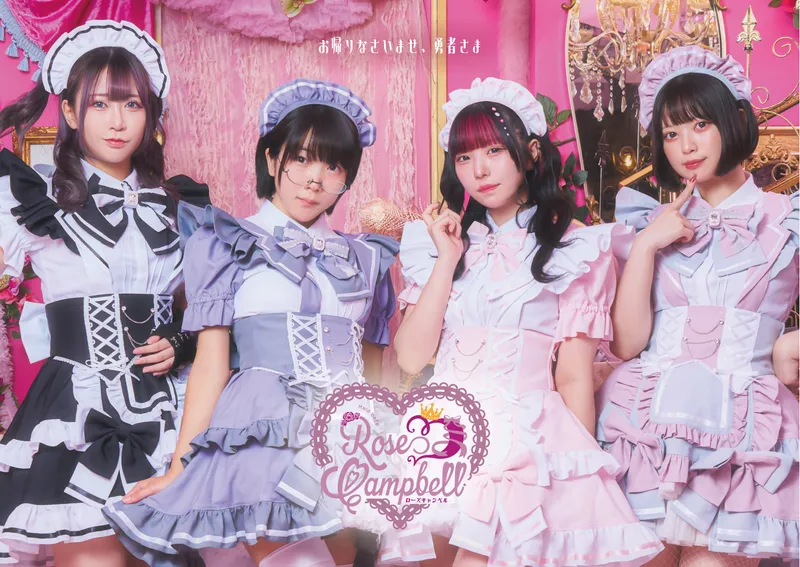
Rose Campbell is the one to try if you’ve never been to a maid cafe before. The staff speak English, the atmosphere is welcoming rather than overwhelming, and the whole experience feels like a gentle introduction to one of Akihabara’s strangest traditions. You’ll get a greeting ritual, decorated food, and probably a small performance. It’s theatrical and silly and the perfect 5.0 Google rating tells you that people leave happy.

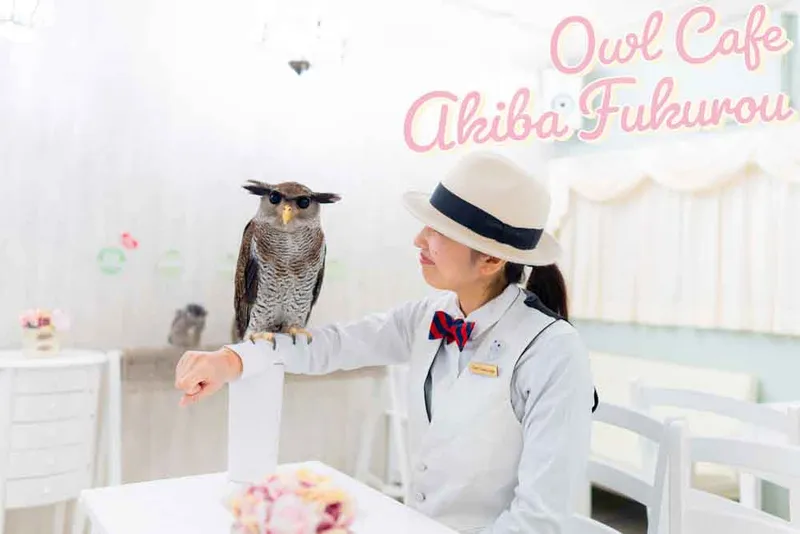
Beyond maid cafes, Akihabara has a whole world of themed experiences. Owl Cafe Tokyo is one of the better animal cafes in the district, where you can spend an hour with owls in a calm, well-maintained space.

Owl Cafe Tokyo
4

Owl Cafe Tokyo

attraction Akihabara
4.9 Google Akihabara, Chiyoda City, Tokyo
  • Interact with owls in a calm, well-maintained environment
  • Staff are knowledgeable about each owl's personality
  • A uniquely Tokyo experience
Tip

Sessions are timed, usually 60 minutes. Book online to guarantee a slot.

"A themed cafe where visitors can interact with owls in a relaxed setting. Reviewers praise the staff's care for the animals and the calm atmosphere."

The staff know each owl by name and personality, and they’ll guide you on how to interact safely. It’s a surprisingly calm experience for a neighbourhood this loud. Book your slot online because walk-ins fill up fast, especially on weekends.

Electronics and Yodobashi Akiba

The “Electric Town” nickname isn’t just historical. Yodobashi Akiba, the nine-storey electronics megastore right next to JR Akihabara station, is one of the largest electronics retailers in Japan. It sells everything: cameras, laptops, rice cookers, beauty devices, audio equipment, and gadgets you didn’t know existed. The tax-free counter for tourists is on the first floor, and the prices are competitive with online retailers. Even if you’re not buying, the sheer scale of the place is impressive.

Smaller electronics shops still dot the side streets too, particularly along Chuo-dori and in the Radio Kaikan building. These tend to specialise in components, cables, and parts that the big stores don’t stock. If you need a specific adapter or cable, someone in Akihabara sells it.

Kanda Myojin Shrine

Five minutes’ walk from the neon chaos, Kanda Myojin is a 1,300-year-old Shinto shrine that feels like it belongs in a completely different Tokyo. The vermilion gate is striking, the main hall is ornate without being gaudy, and the grounds are quiet even when Akihabara’s streets are packed. The shrine has deep ties to the neighbourhood. It’s the patron shrine of the area, and in recent years it has leaned into the otaku connection by selling anime-themed ema (wooden prayer plaques) and charms. You’ll see plaques covered in hand-drawn anime characters alongside traditional prayers for good luck in business and exams.

The shrine hosts the Kanda Matsuri festival in May (on odd-numbered years), one of Tokyo’s three great festivals. Even on a regular day, it’s a peaceful 20-minute detour that gives your senses a break from the electronics and neon.

The Sushi You Didn’t Expect

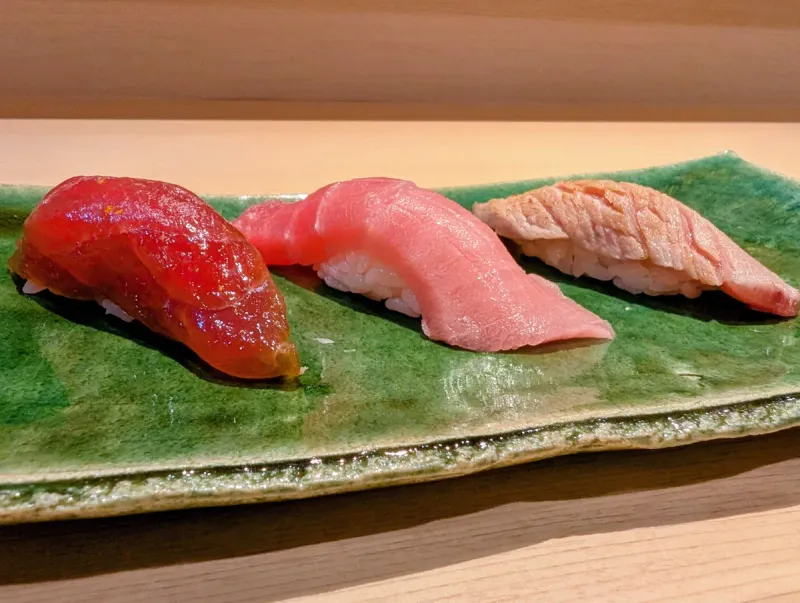
This is the part of the guide that surprises people. Akihabara has quietly become one of the best neighbourhoods in Tokyo for omakase sushi, with a handful of tiny counters that compete with Ginza spots at a fraction of the price and pretension.

1

sushi bar fish 4 u

restaurant Akihabara
5.0 Google 6-13-11 Sotokanda, Chiyoda City, Tokyo
  • Exceptional omakase with original creations by Chef Masaru Noguchi
  • Intimate 6-seat counter with warm hospitality
  • Outstanding quality-to-price ratio for Tokyo sushi
Tip

Book through Instagram well in advance. Only 6 seats.

"A tiny, cozy sushi spot where Chef Masaru Noguchi creates exceptional omakase using fish sourced daily from the local market. The intimate setting and engaging conversations with the English-speaking chef make it a unique experience."

Sushi bar fish 4 u is a six-seat counter run by Chef Masaru Noguchi, and it has a perfect 5.0 rating for good reason. The omakase features original creations alongside traditional nigiri, the fish is sourced daily, and Chef Noguchi speaks English well enough to explain each piece and crack jokes between courses. The atmosphere is intimate and warm in a way that the more formal Ginza counters sometimes aren’t. Book through Instagram because there are literally only six seats.

REONA Sushi Tokyo
2

REONA Sushi Tokyo

restaurant Akihabara
5.0 Google Akihabara, Chiyoda City, Tokyo
  • Immersive omakase with theatrical presentation
  • Perfect 5.0 Google rating
  • Creative seasonal courses with outstanding fish quality
Tip

Reserve well ahead. The immersive presentation and storytelling make this more than just a meal.

"An immersive omakase experience where the chef's storytelling and seasonal presentation elevate the meal into something theatrical."

REONA Sushi Tokyo takes the omakase format and adds a layer of theatrical storytelling to each course. The chef narrates the origin and seasonality of each piece, and the presentation is meticulous. Another perfect 5.0 on Google. If fish 4 u is the friendly neighbourhood counter, REONA is the immersive experience.

Asahi Sushi
3

Asahi Sushi

restaurant Akihabara
4.9 Google Akihabara, Chiyoda City, Tokyo
  • Friendly neighbourhood sushi with excellent quality
  • More accessible than the reservation-only omakase spots
  • Great value for the quality of fish
Tip

A good walk-in option if the omakase spots are booked. Friendly staff who welcome tourists.

"A welcoming neighbourhood sushi restaurant where the quality of fish punches well above its casual setting."

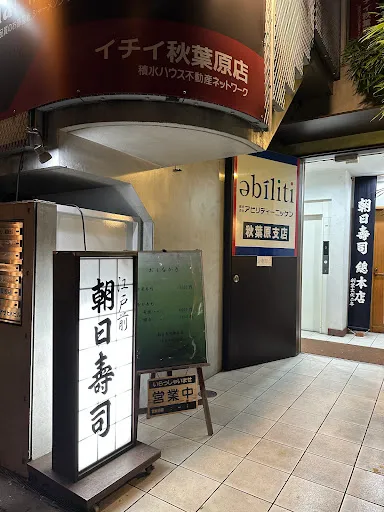
Asahi Sushi is the more casual alternative if the omakase counters are fully booked (which they often are). It’s a friendly neighbourhood sushi spot with a 4.9 rating, and the staff are welcoming to tourists. The fish quality is excellent for the price, and you can usually walk in without a reservation. For a full rundown of sushi options across the city, see our best sushi in Tokyo guide.

Planning Your Akihabara Day

Start at Kanda Myojin shrine in the morning when the grounds are quiet and the light is good for photos. Walk south into Akihabara proper as the shops start opening around 10 or 11 AM. Hit Mandarake Complex first because it takes the longest to browse. Then work your way down Chuo-dori, stopping at Super Potato for retro gaming and whatever gachapon machines catch your eye.

Lunch is the decision point. If you’ve booked ahead, a sushi omakase at fish 4 u or REONA is the move. If not, Asahi Sushi or one of the ramen spots in the area will sort you out. After lunch, explore Animate and the smaller specialty shops. Late afternoon is ideal for a maid cafe visit at Rose Campbell or an hour with the owls at Owl Cafe Tokyo. In the evening, the arcades and crane game floors at GiGO light up and the energy shifts.

If you’re visiting on a Sunday, time your walk down Chuo-dori for the afternoon pedestrian hours when the street closes to cars. The whole neighbourhood takes on a festival atmosphere, with cosplayers, performers, and thousands of people spilling into the road.

For more ideas on how to fill your Tokyo days, browse our things to do in Tokyo guide, or check out the best restaurants in Tokyo for eating options across every neighbourhood.

Planning your trip to Tokyo? Save these places to your itinerary with Tourli, the app that turns travel guides into actionable day plans.

Frequently Asked Questions

How much time should I spend in Akihabara?
Half a day is the minimum to hit the main shops and an arcade. A full day lets you explore Mandarake properly, browse the electronics floors of Yodobashi Akiba, try a maid cafe, visit Kanda Myojin shrine, and still have time for sushi. If you're a serious collector or gamer, you could easily fill two days without running out of things to look at.
Is Akihabara worth visiting if I'm not into anime?
Yes. The electronics at Yodobashi Akiba are impressive even if you never watch anime. Retro gaming arcades are fun regardless of your fandom. Kanda Myojin shrine is a beautiful 1,300-year-old Shinto shrine. And the food, particularly the sushi, is genuinely excellent. Akihabara is also one of the best neighbourhoods in Tokyo for people-watching.
When is the best time to visit Akihabara?
On Sundays between 1 PM and 5 PM (October to March) or 1 PM and 6 PM (April to September), the main street Chuo-dori is closed to cars and becomes a pedestrian paradise. Weekday mornings are quieter for shopping. Most shops open around 10 or 11 AM and close between 8 and 9 PM.
Are maid cafes in Akihabara appropriate for all ages?
Most maid cafes are family-friendly entertainment. Staff in costume serve food and drinks, perform songs, and interact with guests in a theatrical, playful way. Some cafes have a minimum order or time charge, typically around 1,000 to 1,500 yen for 30 to 60 minutes. Rose Campbell is a good first-timer option with English-speaking staff.

More Tokyo Guides

3-Day Tokyo Itinerary (2026)

Itinerary

Three days, three pairs of neighbourhoods. This itinerary groups Tokyo by geography so you spend less time underground and more time eating, photographing, and getting properly lost.

14 places 3 days

5-Day Tokyo Itinerary (2026)

Itinerary

Five days, five neighbourhoods. This itinerary groups Tokyo by geography so you spend less time on trains and more time eating, exploring, and getting lost in the right way.

25 places 5 days

Things to Do in Asakusa, Tokyo (2026 Neighbourhood Guide)

Guide

Asakusa is Tokyo at its most traditional. While most of the city rebuilt itself into glass and steel after the war, this neighbourhood held onto its wooden shopfronts, its temple rituals, and its open-air drinking culture. Senso-ji has been standing here since the seventh century. Nakamise has been selling rice crackers and souvenirs since the Edo period. And Hoppy Street has been serving cheap beer alternatives to salarymen since the 1940s. It's the part of Tokyo that still feels like old Tokyo, and it's one of the few neighbourhoods where you can spend an entire day without running out of things to see, eat, and do.

13 places

Best Breakfast in Tokyo (2026) - From 6AM Sushi to Kissaten Toast

Vibe

Tokyo is one of the few cities where eating sushi at 6 AM is completely normal. Breakfast here spans everything from a three-piece sashimi set at a Tsukiji fish stall to a ¥500 kissaten morning set with toast so thick it could double as a pillow. This guide covers 11 ways to start your day, from the traditional to the trendy.

11 places

11 Best Brunch Spots in Tokyo (2026)

Vibe

Tokyo takes breakfast seriously, just not in the way you might expect. The city runs on kissaten morning sets, fluffy souffle pancakes that take 20 minutes to cook, and hotel buffets that could double as Michelin-level tasting menus. This guide covers all of it.

11 places

15 Best Cafes in Tokyo (2026)

Guide

Tokyo has over 550 cafes in our database alone, ranging from century-old kissaten to cafes where a capybara sits in your lap. These 15 cover matcha specialists, third-wave roasters, themed experiences, and traditional tea shops.

15 places

Save these places to your Tokyo trip

Tourli turns travel guides into actionable day plans. Save places, get walking directions, and share your itinerary — all in one app.