Seven days at a glance
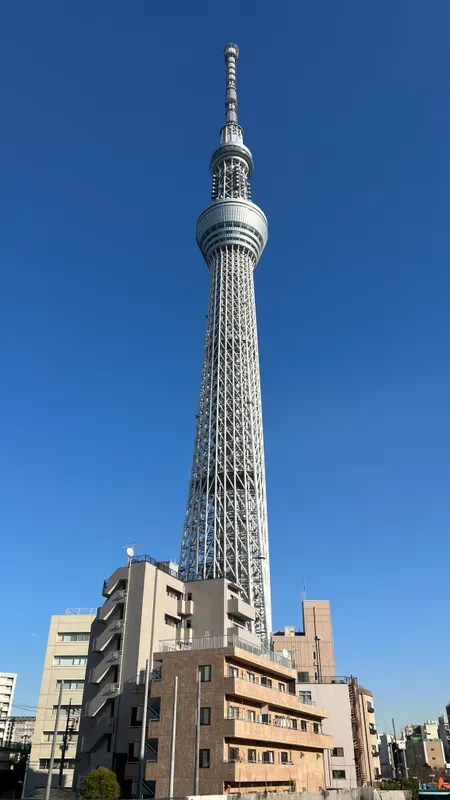
Day 1 (Monday), Asakusa and Skytree: Senso-ji, Nakamise, Kappabashi, lunch at Daikokuya, Sumida Park, Skytree at sunset, dinner at Tokyo Solamachi.
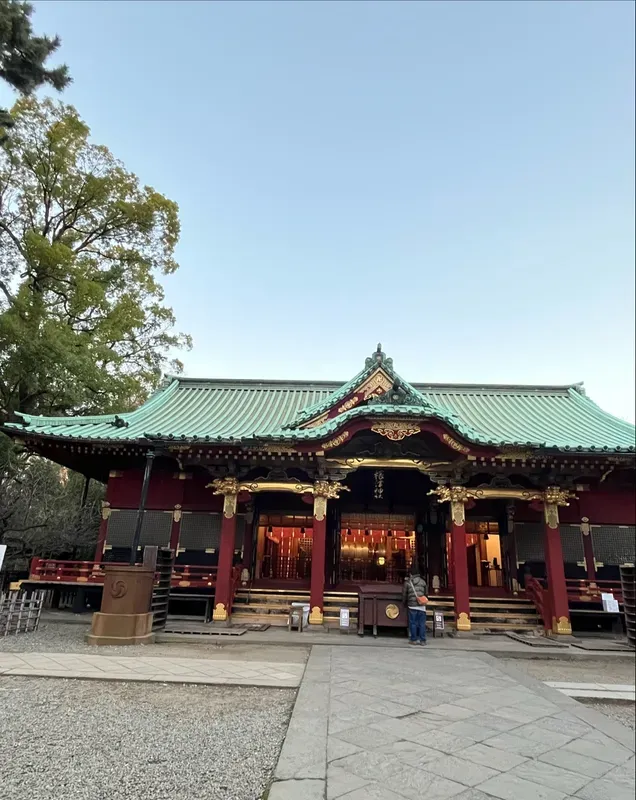
Day 2 (Tuesday), Ueno and Yanaka: Tokyo National Museum, Ueno Park, lunch at Nezu Kamachiku, Nezu Shrine, Yanaka Cemetery, sunset on Yanaka Ginza.
Day 3 (Wednesday), Nikko: the Tobu train from Asakusa, Shinkyo, Rinnoji, Toshogu, Taiyuin, yuba for lunch.
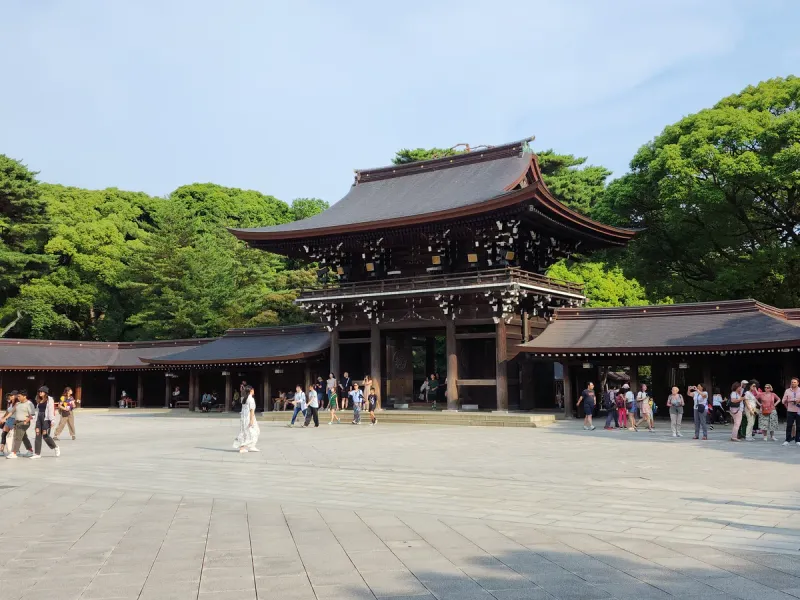
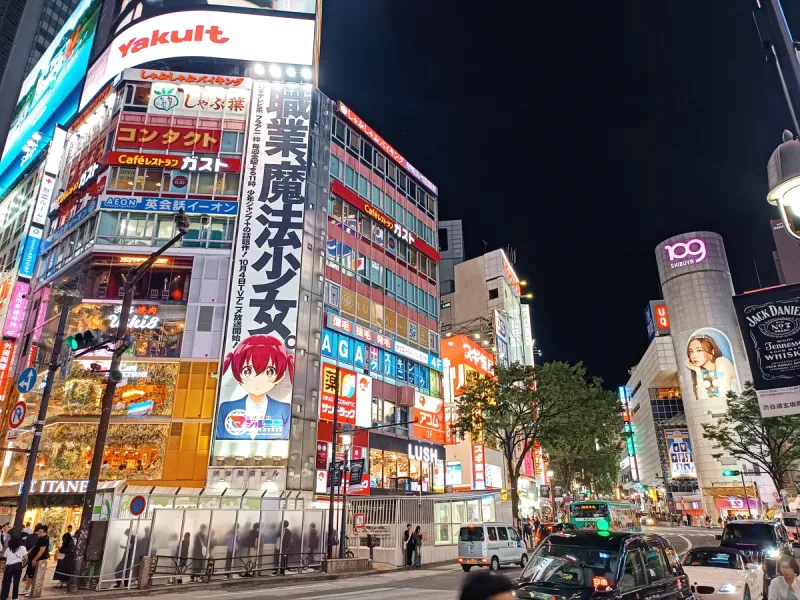
Day 4 (Thursday), Harajuku and Shibuya: Meiji Jingu, Takeshita Street, Omotesando Hills, lunch at Maisen, Cat Street, the Scramble Crossing, Shibuya Sky at sunset.
Day 5 (Friday), Kamakura: Engaku-ji, Tsurugaoka Hachimangu, lunch on Komachi-dori, the Enoden, the Great Buddha, Hase-dera.
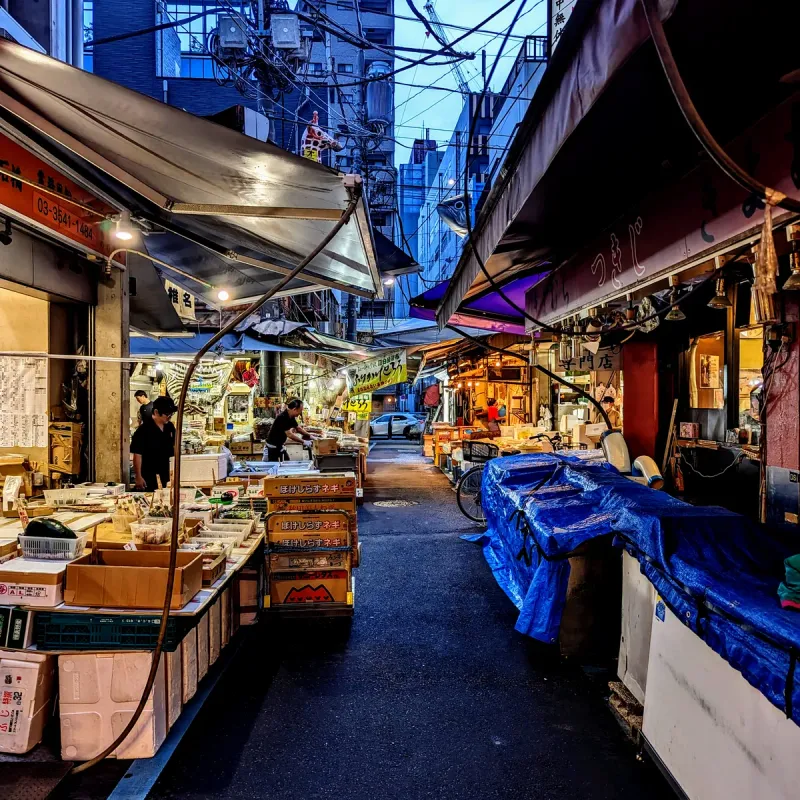
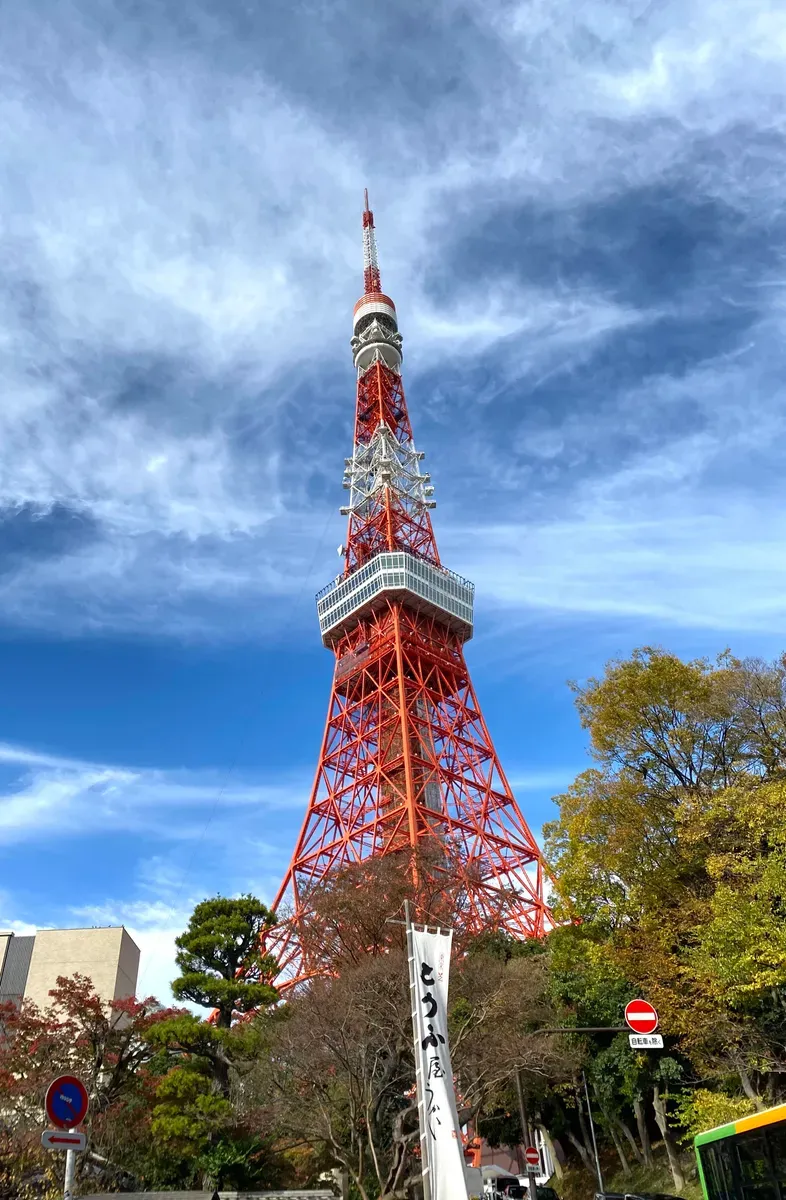
Day 6 (Saturday), Tsukiji to Tokyo Tower: Tsukiji Outer Market, the Imperial Palace East Gardens, Tokyo Ramen Street, Ginza and Itoya, Tokyo Tower at sunset.
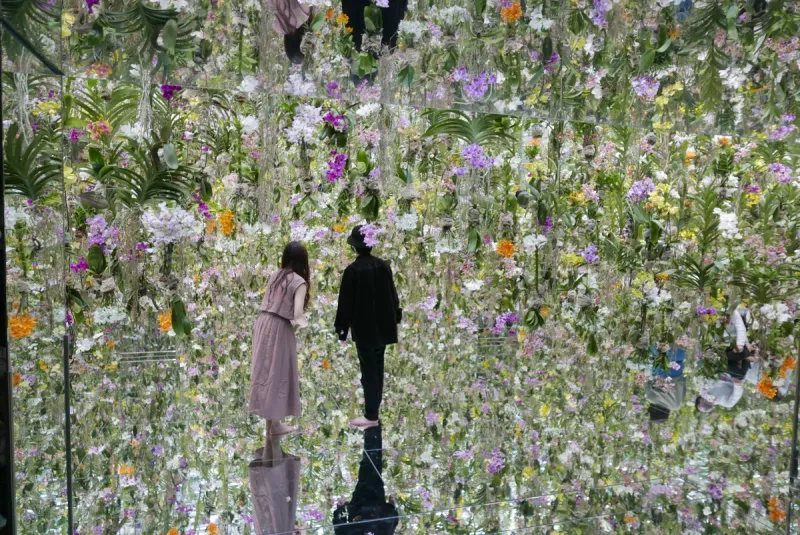
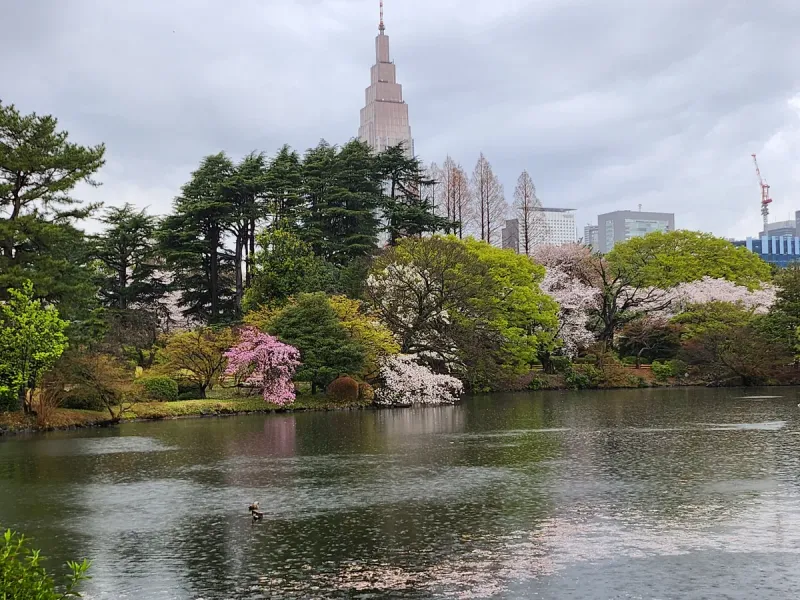
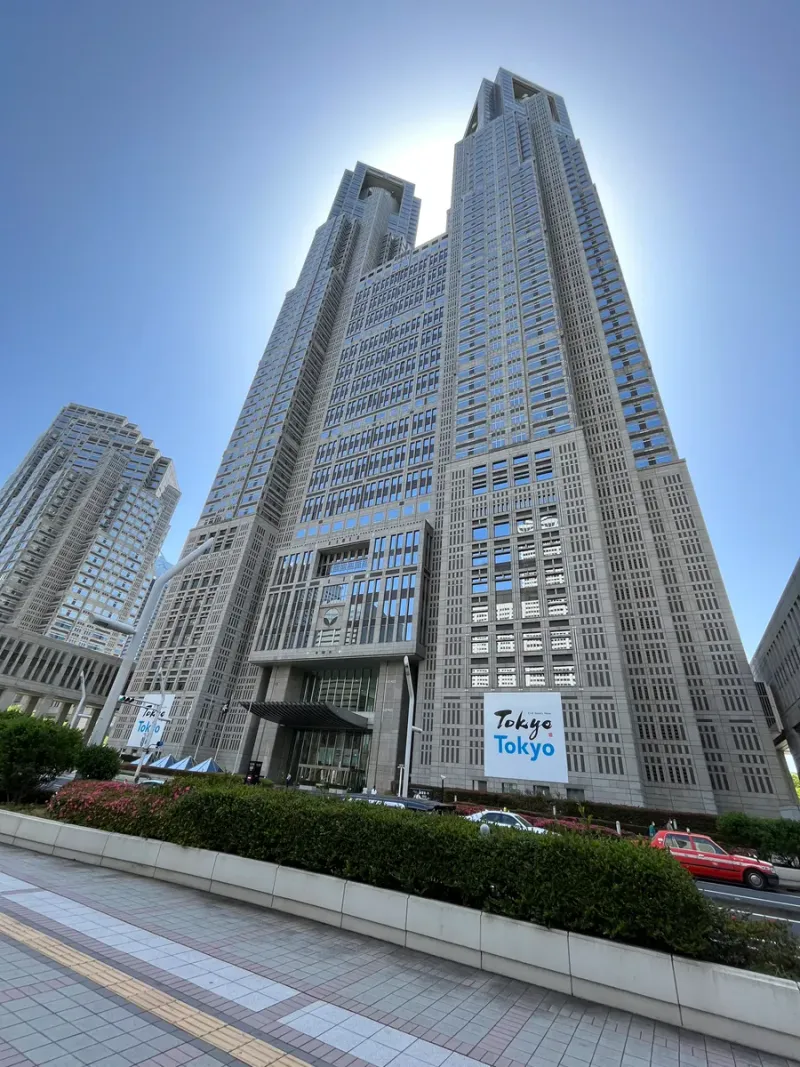
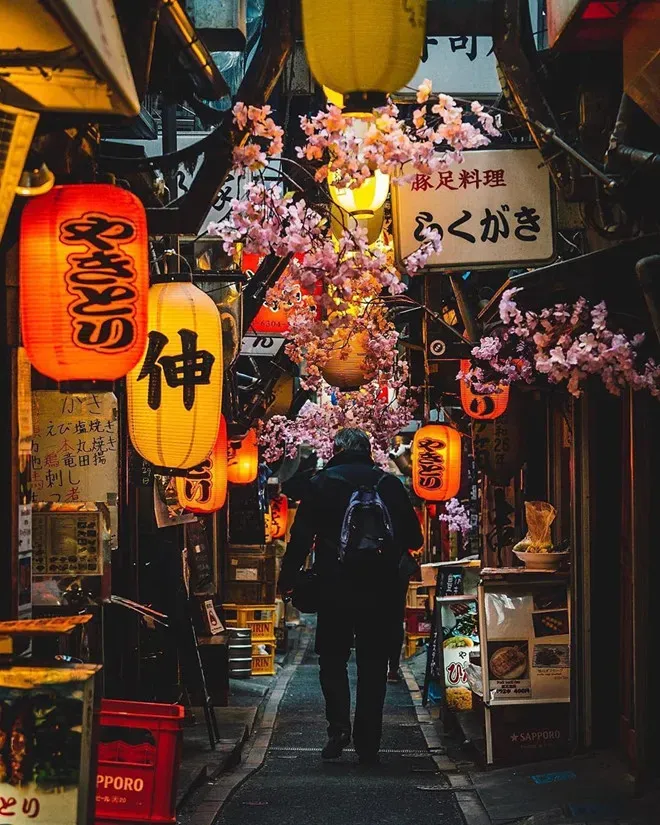
Day 7 (Sunday), teamLab and Shinjuku: teamLab Planets, lunch at Toyosu Senkyaku Banrai, Shinjuku Gyoen, the Tokyo Metropolitan Government Building at sunset, Omoide Yokocho and Torien, Golden Gai.
Which day to put where
Start on a Monday. Day 1 is the one city day that works on a Monday. Day 2 needs the museum (closed Mondays) and Kamachiku (closed Sundays and Mondays). The day trips are best on weekdays, when the trains and temples are calmer. Day 6 needs a Saturday or Sunday for the Ginza pedestrian street and can't be a Monday or Friday, when the East Gardens are closed; Saturday also beats Sunday for Tsukiji. Day 7 can't be a Monday, when Shinjuku Gyoen is closed.
If your week starts another day, keep the pairs together and move them: on a Sunday, Kappabashi is mostly shut (do Skytree and the river only); the museum and udon day can go on any Tuesday to Saturday; and on a weekday, day 6 still works without the car-free street (just not on a Monday or Friday).
Skip dates: the Tokyo National Museum is closed on Tuesday 15 December 2026 (do day 2 on the Wednesday and Nikko on the Tuesday); teamLab Planets is closed on Thursdays 3 December 2026 and 14 January 2027; Shibuya Sky opens only from 3pm on Thursday 19 November 2026; Rinnoji's Sanbutsudo is closed the morning of 14 December; Zojo-ji's mausoleum reopens after 1 December 2026.
Christmas and New Year: the East Gardens close 28 December to 3 January, Shinjuku Gyoen 29 December to 3 January and the Tokyo National Museum 26 to 31 December; most Tsukiji shops shut until 4 January. Use those days for New Year shrine visits; our Tokyo in January guide has what's open.
What a week costs
Paid sights: about ¥16,000 per adult at November 2026 prices, with date-priced tickets at their lowest: Tokyo National Museum ¥1,000, Skytree from ¥1,800, Shibuya Sky ¥3,400, Nikko ¥2,800 (Toshogu ¥1,600, the Rinnoji ticket ¥900, Shinkyo ¥300), Kamakura ¥1,200 (Engaku-ji ¥500, the Great Buddha ¥300, Hase-dera ¥400), Tokyo Tower ¥1,500, Shinjuku Gyoen ¥500 and teamLab Planets from ¥3,800. For rooms and food on top, see what a Tokyo trip costs.
Day-trip trains: Nikko is ¥3,050 each way on Tobu's Kegon or Revaty on a normal-fare day, or ¥3,340 on the SPACIA X. Kamakura is a regular JR fare (tap in with your IC card; JR East's site has the current fare), plus ¥200 for the Enoden to Hase. Odakyu's Enoshima-Kamakura Freepass from Shinjuku is ¥1,640 for the day, covering the Enoden too, if you'd rather go that way.
City transport: a Tokyo Subway Ticket covers Tokyo Metro and Toei lines for 24, 48 or 72 hours (¥1,000, ¥1,500, ¥2,000). JR, Tobu, the Enoden and the Yurikamome go on your IC card. Our getting around Tokyo guide explains the cards.
Free: Senso-ji, Meiji Jingu, Nezu Shrine, Tsurugaoka Hachimangu, the East Gardens, the Tokyo Metropolitan Government Building's view and every market and street on the route.
Where to stay for a week
For seven nights, base yourself where the day-trip trains leave. Asakusa or Ueno puts the Nikko train on your doorstep and day 1 and 2 on foot; Tokyo Station or Ginza is right for Kamakura and day 6; Shinjuku is best for nights out. One hotel for the week is easier than moving. Our where to stay in Tokyo guide compares the areas, with hotels in Asakusa, Ueno and around Tokyo Station.
Practical tips
Book ahead: the Nikko SPACIA X seats, Shibuya Sky (two weeks ahead at midnight Japan time), teamLab Planets (not sold at the door) and Skytree online to avoid the ¥500 counter surcharge.
Daylight: from November to January the sun sets around 4.30pm, and Nikko's and Kamakura's sights close by 4pm to 5pm. Start the day trips early. In summer, sunset is around 7pm, so slow the city days down and move each viewpoint later.
Rain: swap a day trip with a city day if the forecast is wet; Nikko's shrines and Kamakura's temples are mostly outdoors. The Tokyo National Museum and teamLab are the best indoor stops.
Cash: carry some. The Tokyo Ramen Street shops take cash or a transport IC card, and many market stalls and small bars take cash only.
Shorter or longer
For less time, see the 3-day, 4-day and 5-day Tokyo itineraries. To swap a day trip, Hakone adds hot springs and Fuji views, Kawagoe is a half-day of old merchant houses, and Mt Takao is a mountain walk on a Keio train from Shinjuku. With more days, the bullet train to Kyoto is in Tokyo to Kyoto.
Planning your trip? Save these places into a day-by-day plan with Tourli, the app that turns travel guides into actionable itineraries.