5-Day Tokyo Itinerary (2026)
Five days, five neighbourhoods. This itinerary groups Tokyo by geography so you spend less time on trains and more time eating, exploring, and getting lost in the right way.
Your 5-Day Tokyo Itinerary
Five days in Tokyo is the sweet spot. Enough time to cover the major sights without sprint-walking between them, and enough slack to sit in a park, queue for ramen, or follow a backstreet that looks interesting. This itinerary groups the city by neighbourhood so you’re not zig-zagging on trains all day. Expect 8-12 km of walking per day, which sounds like a lot but doesn’t feel like it when there’s something to eat or photograph every hundred metres.
A Suica or Pasmo IC card (buy at any station, load with ¥2,000-3,000 to start) covers all trains, buses, and convenience store purchases. The JR Yamanote line loops around central Tokyo and connects almost everything on this itinerary. Google Maps is reliable for train routing.
Day 1: Asakusa, Skytree & East Tokyo
Start on the east side of the city, where old Tokyo meets the skyline. This day pairs the city’s oldest temple with its tallest tower, connected by a pleasant 20-minute walk along the Sumida River.
Get to Senso-ji before 8 AM if you can. The Kaminarimon gate and the temple grounds are practically empty at that hour, and the light through the incense smoke is worth losing sleep over. The five-storey pagoda, the main hall, the fortune sticks (shake the silver canister, draw a stick, match the number to a drawer of paper fortunes). It’s all free and it all takes about an hour at a relaxed pace.
Senso-ji
Arrive before 7 AM for an empty temple. The incense smoke and morning light are worth the early alarm.
On the walk back from the temple, Nakamise Shopping Street will be waking up. The stalls sell ningyoyaki (small custard-filled cakes), beef croquettes, rice crackers, and matcha soft serve. The two side streets that branch off Nakamise are quieter and have better crafts.
Nakamise Shopping Street
The ningyoyaki and beef croquettes are the best snacks. Explore the quieter side streets too.
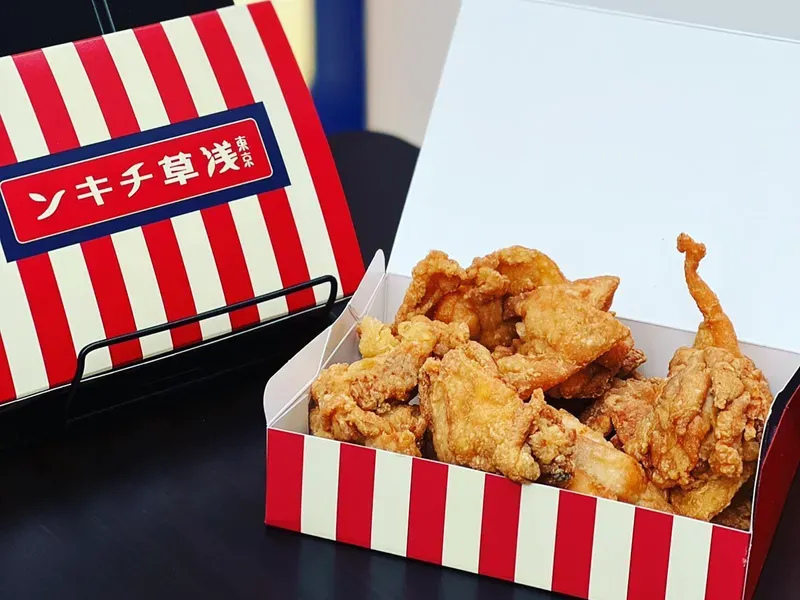
Grab a quick bite at Asakusa Chicken on the way (the karaage and crab cream croquettes are fantastic), then walk along the Sumida River toward Skytree. The walk takes about 20 minutes and the tower gets bigger with every block.

Asakusa Chicken
Opens at 9 AM. The karaage and crab cream croquettes are the move.
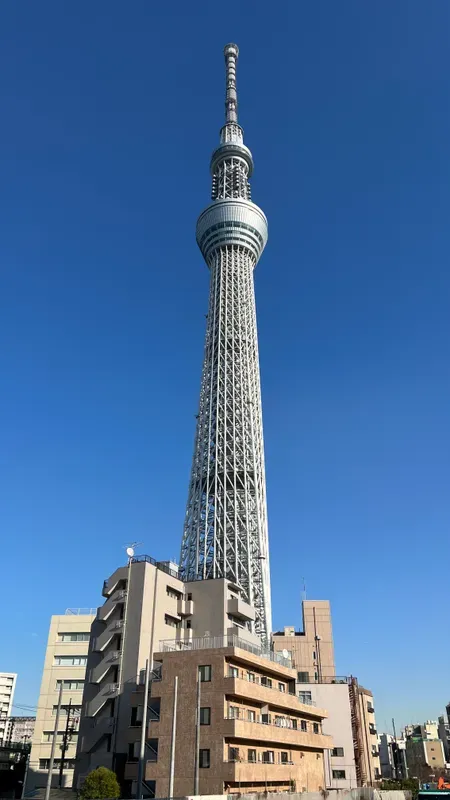
Tokyo Skytree’s observation decks give you the full eastward and westward panorama. The glass floor section on the lower deck is a good adrenaline hit. Book tickets online to avoid the queue.

Tokyo Skytree
Book observation deck tickets online. The glass floor section on the lower deck is thrilling.
Lunch at Tokyo Solamachi, the shopping complex at the base of Skytree. Over 300 shops and restaurants. The food court on the upper floors has good options, or grab souvenirs before heading back.

Tokyo Solamachi
Over 300 shops and restaurants at the base of Skytree. Good for lunch and souvenir shopping.
Day 1 dinner: Head to any of the best restaurants in Asakusa or Ueno, or try one of the small izakaya on Hoppy Street near Senso-ji for cold beer and yakitori in a lively outdoor atmosphere.
Day 2: Harajuku, Meiji Shrine & Shibuya
Today is west Tokyo: forest, fashion, and the crossing. Start early at Meiji Shrine, spend the middle of the day in Harajuku and Yoyogi Park, and end at Shibuya for sunset views.
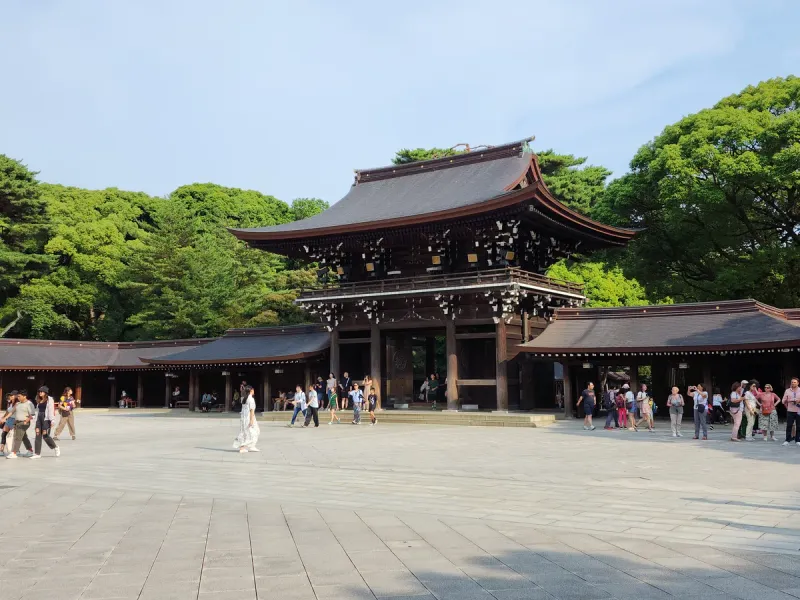
Meiji Jingu is a 10-minute walk from Harajuku Station. The moment you pass through the first torii gate, the city disappears behind a wall of trees. The forest walk to the shrine takes about 15 minutes and sets the mood. If you visit on a weekend, you might see a traditional Shinto wedding procession.

Meiji Jingu
Enter through the main torii gate for the full forest walk experience.
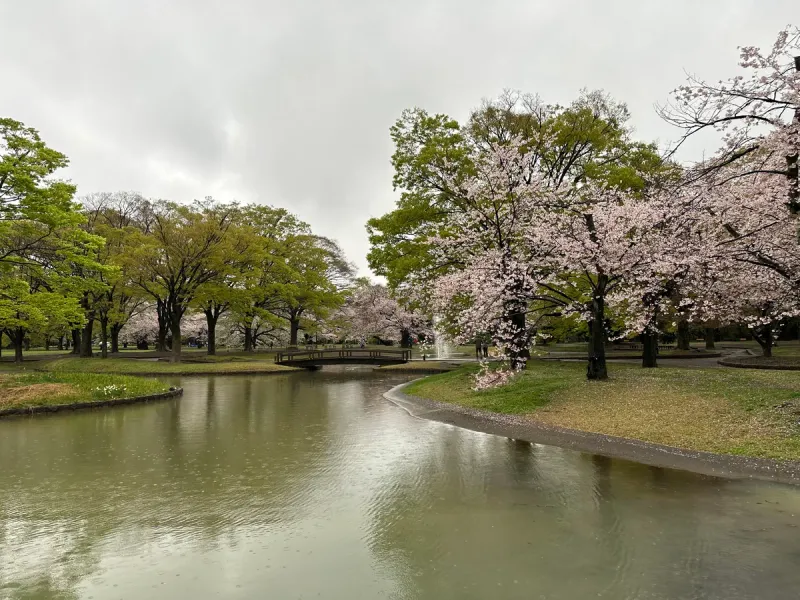
From the shrine, walk south through Yoyogi Park. On Sundays this is where Tokyo’s subcultures come out: cosplayers, rockabilly dancers, drum circles, and hip-hop dance groups near the entrance. Even on weekdays, it’s a pleasant green space for a coffee break.

Yoyogi Park
On Sundays, cosplayers, dancers, and musicians take over the park entrance.
Spend the middle of the day exploring Harajuku. Takeshita Street is chaotic and fun (crepes, capsule toy machines, streetwear). Cat Street, running parallel, is more relaxed with independent boutiques and cafes. Omotesando, the tree-lined boulevard, has the high-end architecture and flagship stores.
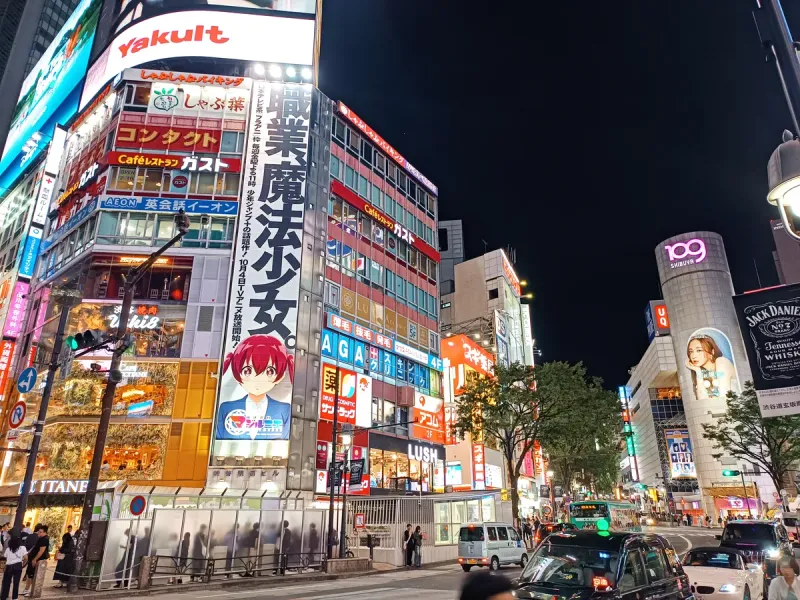
In the late afternoon, head to Shibuya. Watch the Crossing from the Starbucks above, then walk through it yourself. The energy at rush hour (5-7 PM) is something else.

Shibuya Crossing
Watch from the Starbucks above, then cross it yourself at street level.
End the day at Shibuya Sky for sunset. The open-air rooftop 230 metres up is the best sunset viewing spot in Tokyo. Book the slot closest to golden hour. The rooftop bar means you can stay for the transition from daylight to city lights.
Shibuya Sky
Book the sunset or evening slot for the best views.
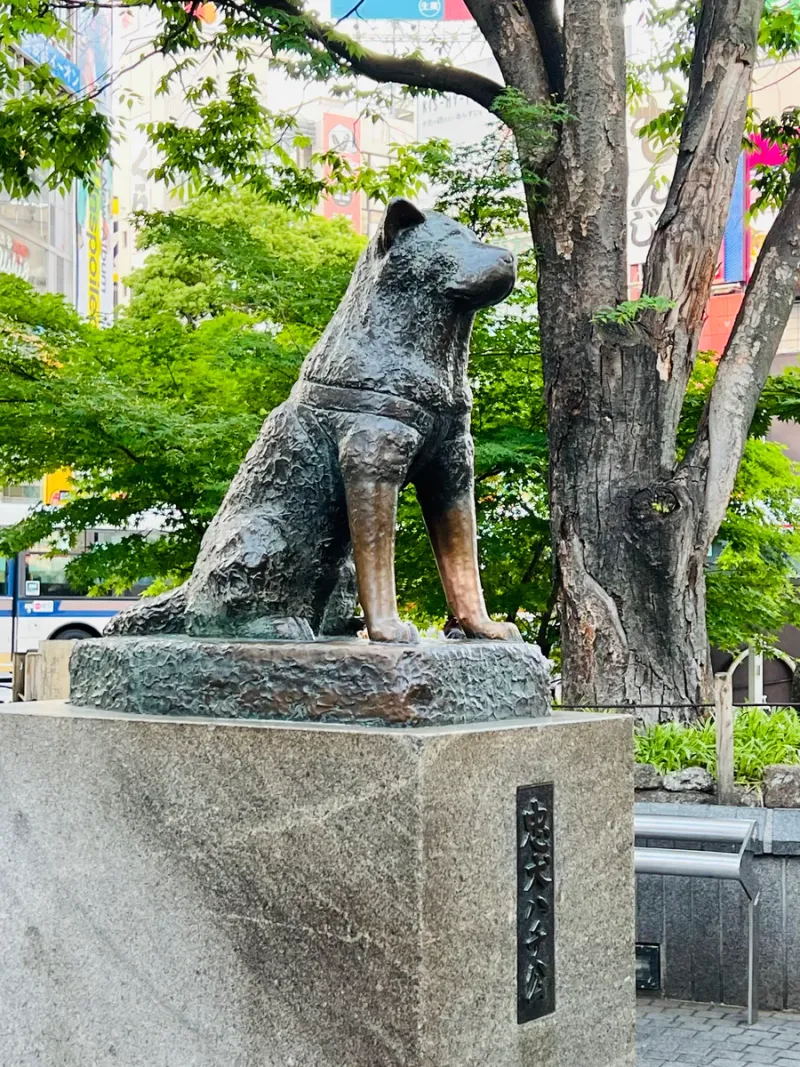
Snap a photo with Hachiko on the way out. The loyal dog’s statue is right outside Shibuya Station’s Hachiko Exit.

Hachiko Statue
The statue is outside Shibuya Station's Hachiko Exit. Quick photo stop.
Day 2 dinner: BeBu-Ya for all-you-can-eat wagyu yakiniku is right in Shibuya. Or head to the best bars in Shibuya after dinner.
Day 3: Shinjuku, Gardens & Ramen
A slower day. Start with the most beautiful garden in Tokyo, eat the best ramen in the city, then explore the Imperial Palace grounds before ending with yakitori in Shinjuku.
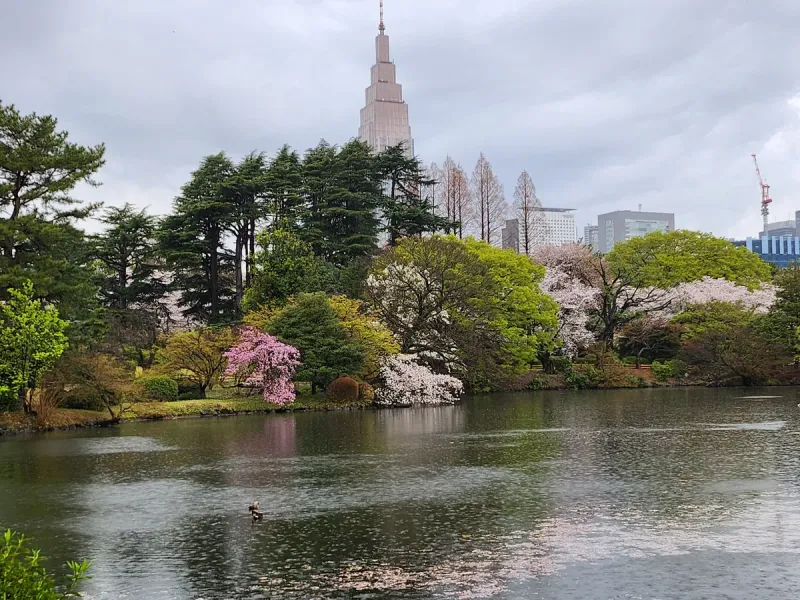
Shinjuku Gyoen opens at 9 AM. Pay the ¥500, leave the city behind, and walk through three garden styles: a serene Japanese garden with koi ponds, a symmetrical French garden, and a wide English lawn. If you’re visiting during cherry blossom season (late March to mid-April), this is the single best spot in Tokyo. Budget 90 minutes minimum.

Shinjuku Gyoen National Garden
¥500 entry. No alcohol. Three garden styles: Japanese, French, English.
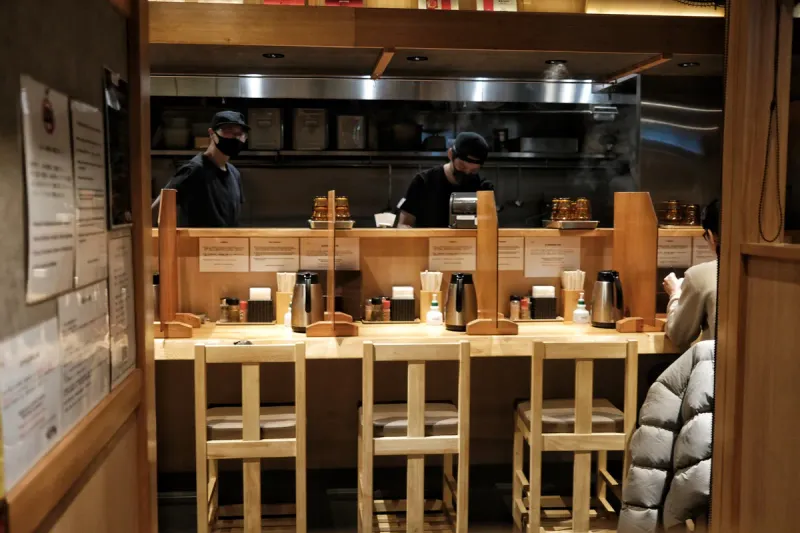
For lunch, walk to Soba House Konjiki-Hototogisu. The seafood broth (red sea bream and clams) is unlike any ramen you’ve had. Get a numbered ticket around 11 AM and come back at your assigned time. The shio version is the order. ¥900 for what might be the cheapest former Michelin-star meal on the planet.

Soba House Konjiki-Hototogisu
Get a numbered ticket at 9:30 AM for lunch. The shio ramen is the one to order.
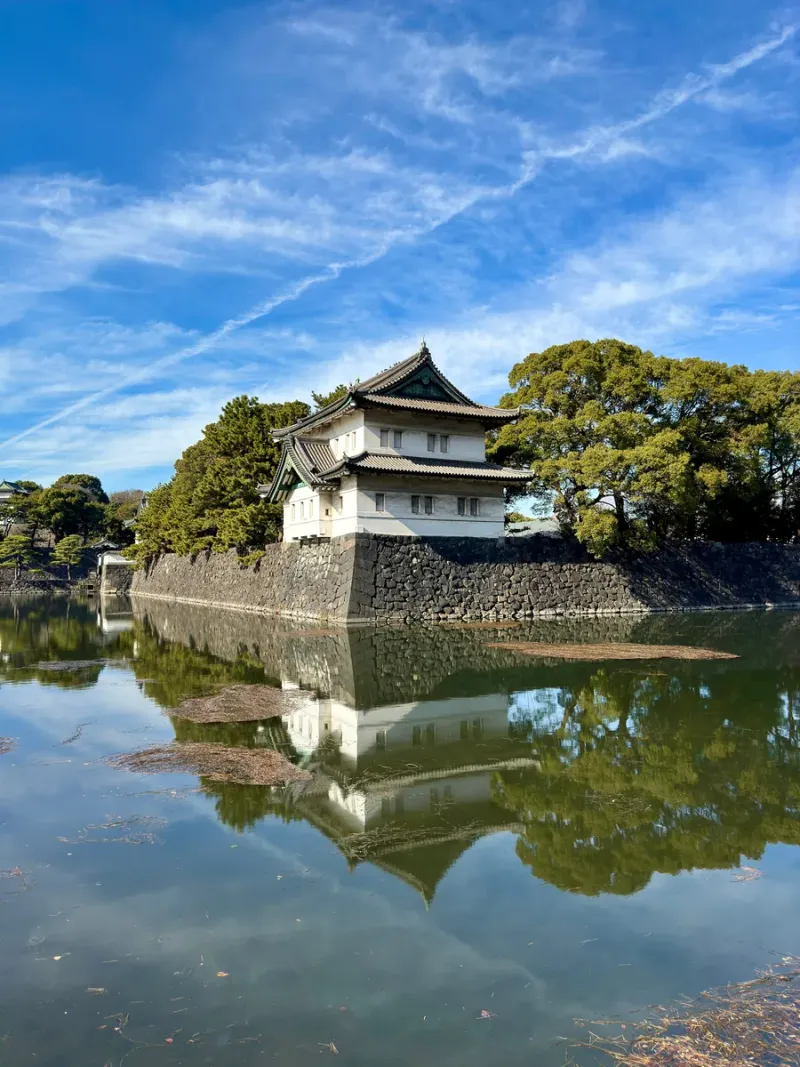
After ramen, take the train to the Imperial Palace (about 20 minutes from Shinjuku). The free East Gardens have remnants of Edo Castle, manicured lawns, and seasonal flowers. The Nijubashi Bridge photo with the palace reflected in the moat is the postcard shot. Allow 90 minutes to walk the grounds comfortably.

Imperial Palace
The East Gardens are free. The Nijubashi Bridge photo is the money shot.
Day 3 dinner: Back in Shinjuku, head to Hinotori for yakitori. Premium Daisen chicken grilled over charcoal, paired with sake selected by a certified Sake Master. Reserve ahead.

Hinotori
Reserve ahead. The Sake Master-certified manager pairs drinks with each course.
After dinner, explore Golden Gai: a maze of over 200 tiny bars, each seating 6-8 people, in narrow alleys near Kabukicho. Some charge a cover; most welcome tourists with a smile and a whisky.
Day 4: Tsukiji, Roppongi & Digital Art
A day of food, art, and views. Start with the best street food in Tokyo, continue to a digital art museum, and finish at Tokyo Tower.
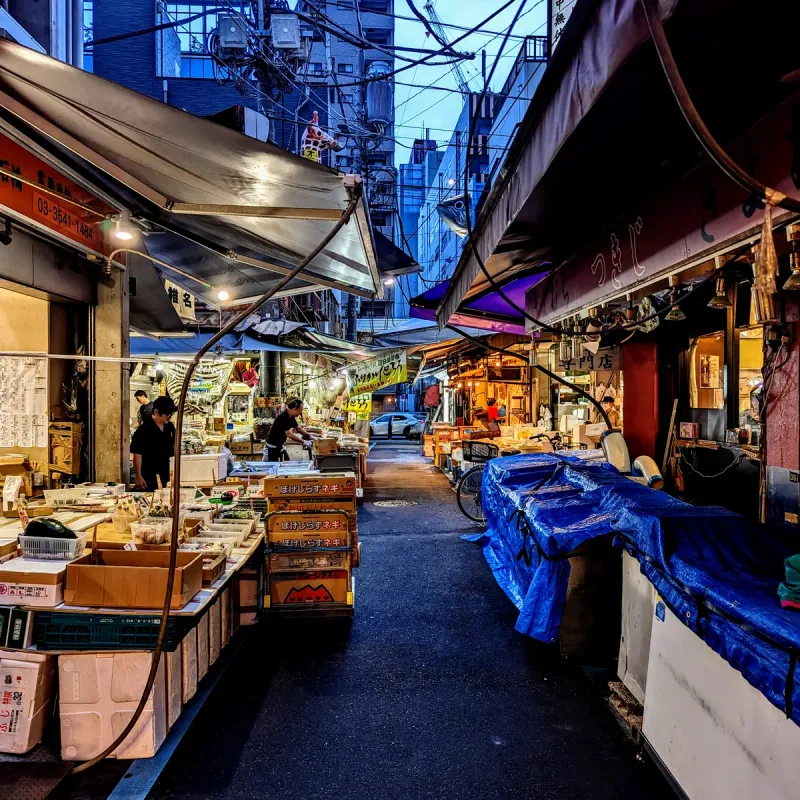
Get to Tsukiji Outer Market early (before 9 AM). Walk the full circuit first: the grilled scallops, the tamagoyaki sticks, the fresh sushi stands. Then loop back for the stalls that caught your eye. Most food is eaten standing.

Tsukiji Outer Market
Arrive before 9 AM. Grilled scallops and tamagoyaki on a stick are the top picks.
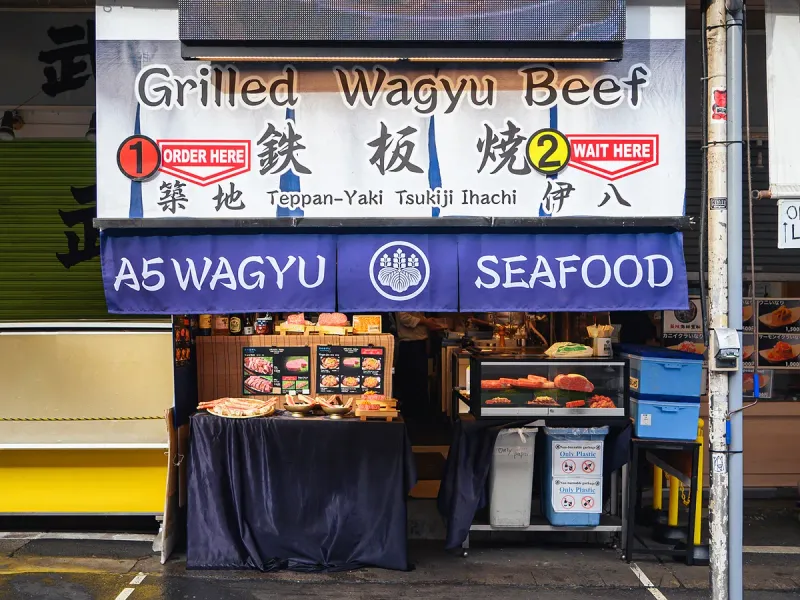
If you’re still hungry (you will be), Tsukiji Ihachi is steps away. A5 wagyu steak, grilled on a hot stone at your table. The lunch sets are the value play.

Tsukiji Ihachi honten
A5 wagyu steak grilled on a hot stone at your table. Go for the lunch set.
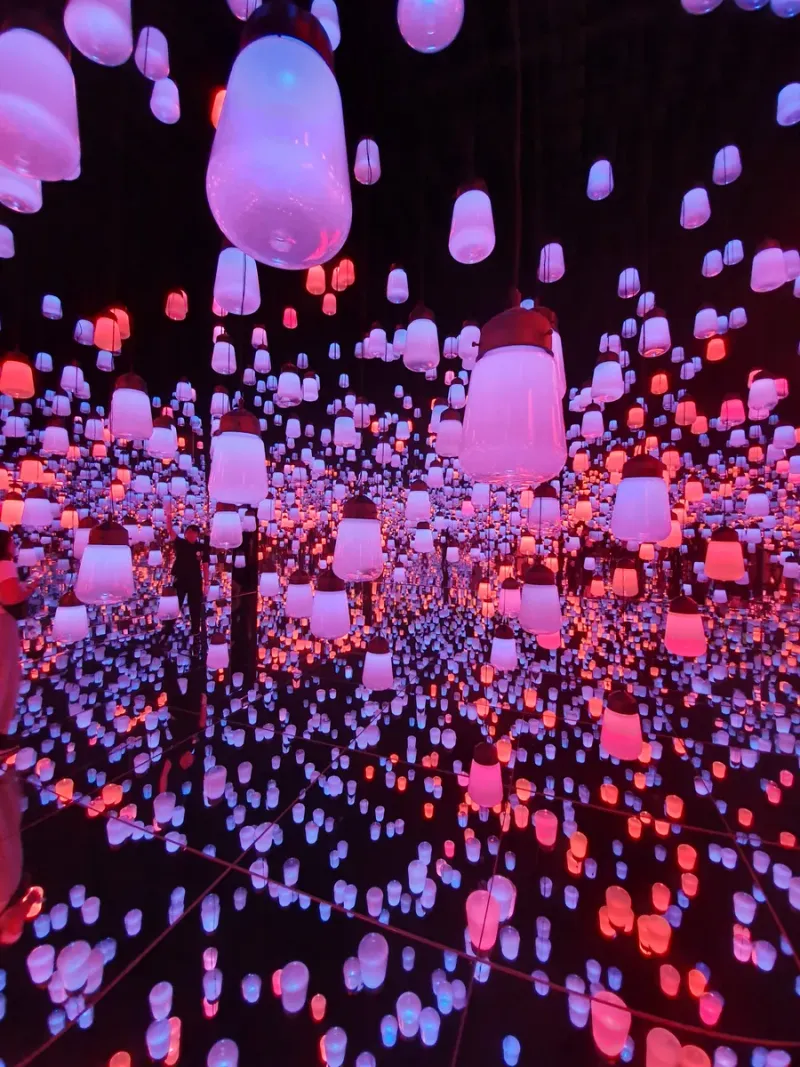
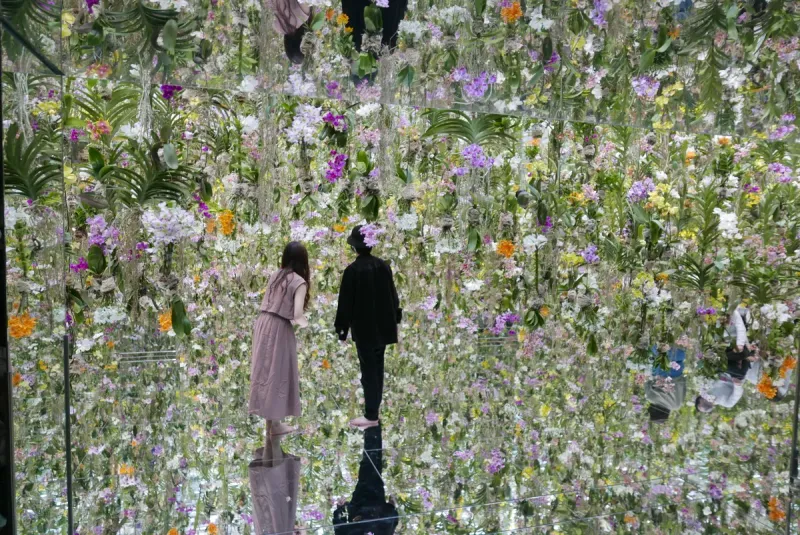
After lunch, take the metro to teamLab Borderless at Azabudai Hills. Two to three hours in the shifting, interactive digital art rooms. Wear light colours. Book an early afternoon slot.

teamLab Borderless
Book early morning slots. Wear light-coloured clothing for the projections.
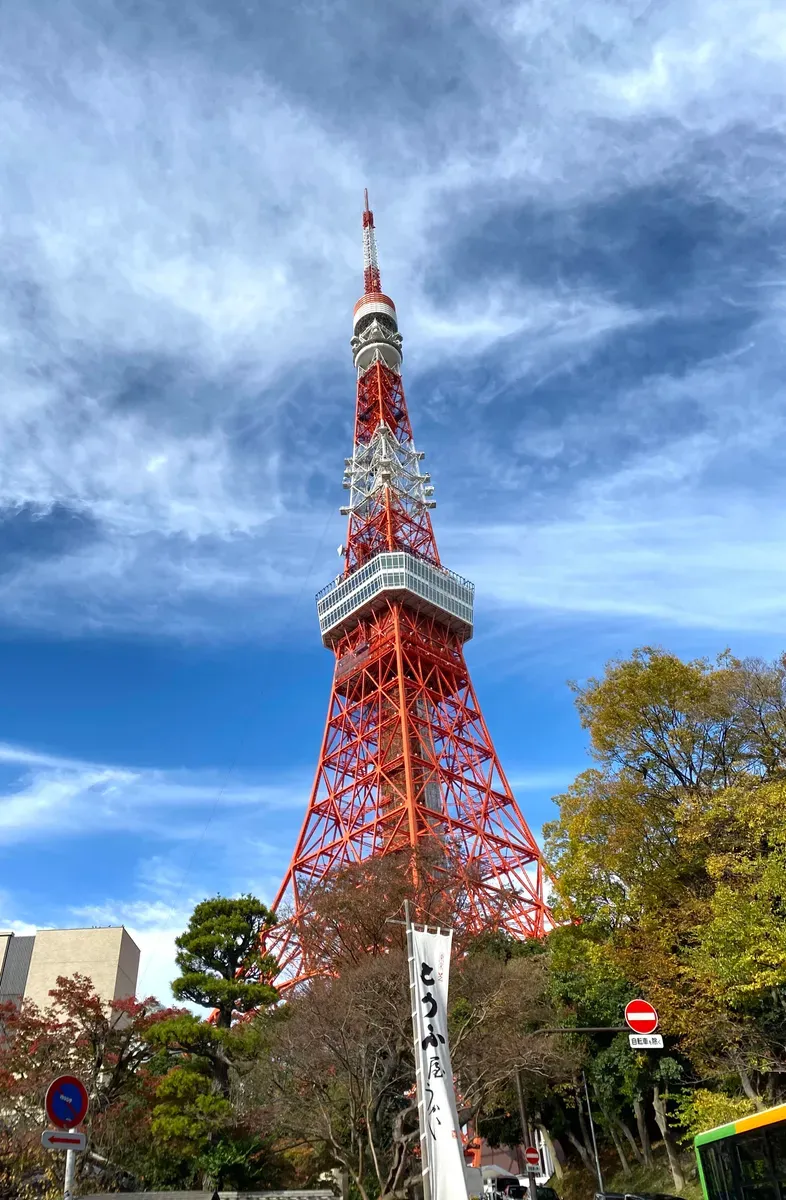
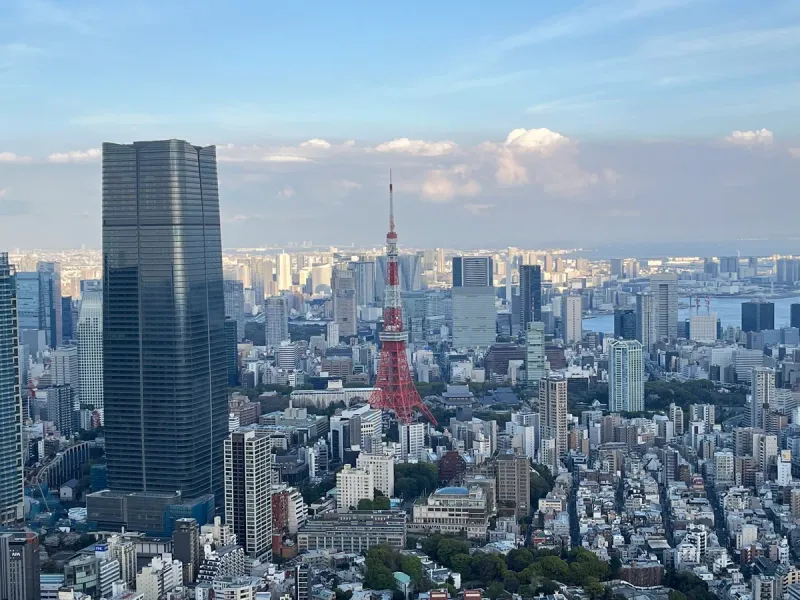
Walk from Azabudai Hills to Tokyo Tower (about 20 minutes). The main deck at 150m is enough. Visit at dusk for the transition from afternoon haze to glittering city lights.

Tokyo Tower
The main deck at 150m is sufficient. Visit at dusk for the best light.
End the evening at Roppongi Hills. The Mori Art Museum on the 53rd floor shows cutting-edge contemporary art, and the observation deck offers a different angle on the city. Dinner options abound in the complex and surrounding streets.

Roppongi Hills
The Mori Art Museum on the 53rd floor has the best contemporary art in Tokyo.
Day 5: Toyosu, Odaiba & Your Pick
The final day has a flexible structure. The morning is set (teamLab Planets), and the afternoon gives you three options depending on your interests.
teamLab Planets is the physical counterpart to Borderless. Take off your shoes and walk barefoot through knee-deep water, across soft sand, and through rooms of infinite light. The crystal mirror room is the photo everyone posts. It’s closing permanently in 2027, so this is your window. Book an early morning slot and allow 2-3 hours.

teamLab Planets
Wear shorts. You walk barefoot through knee-deep water. Closing 2027.
From Planets, it’s a short ride to Odaiba. DiverCity Tokyo Plaza has the life-size Gundam statue (even if you’re not an anime fan, it’s impressively engineered), waterfront views, and decent shopping.

DiverCity Tokyo Plaza
The life-size Gundam statue out front is a photo stop even if you don't shop.
Afternoon: Choose your own adventure.
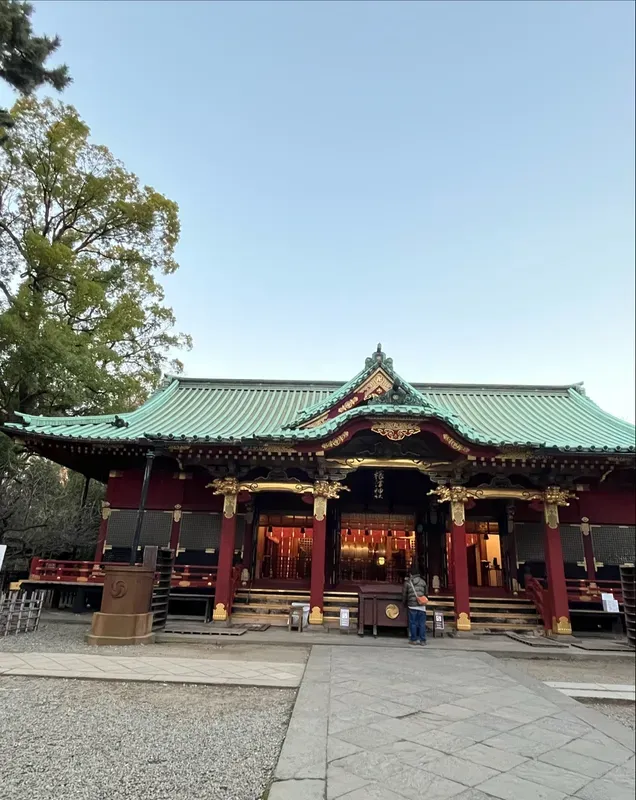
Option A: Yanaka & Nezu Shrine. If you want one last dose of old Tokyo, head to the Yanaka district. Nezu Shrine has a tunnel of vermillion torii gates and (in late April) 3,000 azalea bushes in bloom. The surrounding neighbourhood has narrow lanes, independent shops, and cats. Lots of cats. End at Yanaka Ginza shopping street for a sunset beer.

Nezu Shrine
The torii gate tunnel rivals Kyoto's Fushimi Inari. Late April for azalea festival.
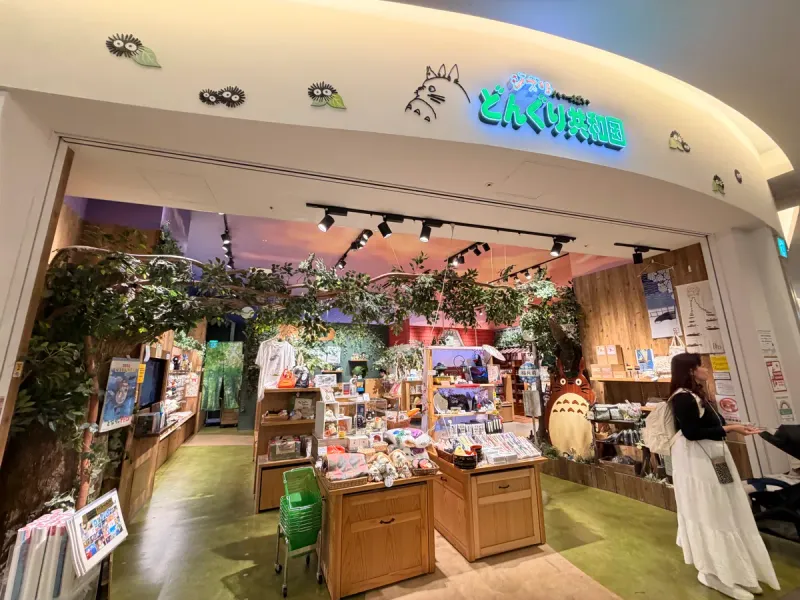
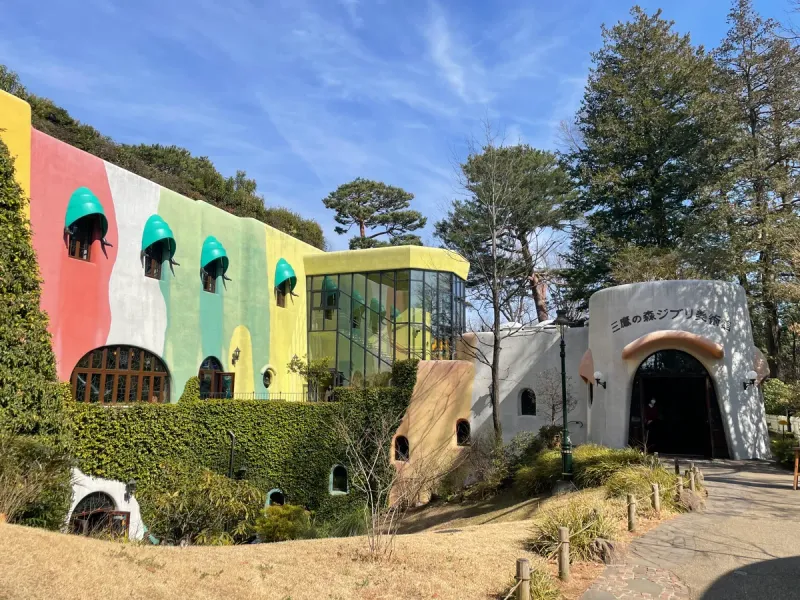
Option B: Ghibli Museum. If you’re a Studio Ghibli fan, the museum in Mitaka is a pilgrimage. Concept art from every Miyazaki film, exclusive short films, and a building that feels like walking into Spirited Away. Tickets must be bought weeks in advance.

Ghibli Museum
Buy tickets weeks ahead. No photos inside. Allow 2-3 hours.
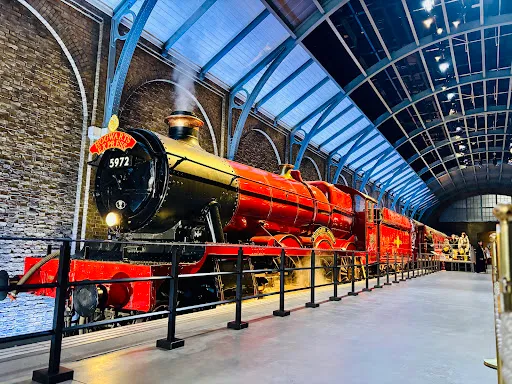
Option C: Harry Potter Studio Tour. Asia’s only Warner Bros. studio tour has authentic film sets, interactive wand experiences, and Butterbeer. Budget a full day if you go this route.

Warner Bros. Studio Tour Tokyo
Book morning slots. Pack a power bank. Budget a full day.
Where to Eat During Your 5 Days
Each day’s neighbourhood has solid food options:
- Day 1 (Asakusa): Street food at Nakamise and Tsukiji, Asakusa Chicken for karaage, Hoppy Street izakaya for dinner
- Day 2 (Shibuya): Harajuku crepes, BeBu-Ya for wagyu yakiniku
- Day 3 (Shinjuku): Konjiki-Hototogisu for ramen, Hinotori for yakitori, Golden Gai for drinks
- Day 4 (Ginza/Roppongi): Tsukiji Ihachi for wagyu, GYOPAO Gyoza in Roppongi
- Day 5: Ichiran for one last bowl of ramen (it’s open 24 hours)
For the full breakdown, see our best restaurants in Tokyo guide.
Practical Tips
- Transport: Get a Suica or Pasmo card at any station. Load ¥2,000-3,000. Works on all trains, buses, and convenience stores.
- Cash: Many ramen shops and small restaurants are cash-only. ATMs in 7-Eleven and Family Mart accept foreign cards.
- Tipping: Don’t. It’s not done in Japan and will confuse staff.
- Timing: Tokyo eats early. Restaurants open at 5:30-6 PM. Popular ramen shops sell out by 8 PM.
- Weather: Check the forecast daily. Observation deck visits and outdoor plans depend on clear skies.
Planning your trip to Tokyo? Save these places to your itinerary with Tourli, the app that turns travel guides into actionable day plans.
Frequently Asked Questions
Is 5 days enough for Tokyo?
Where should I stay in Tokyo for 5 days?
How much does 5 days in Tokyo cost?
What order should I visit Tokyo neighbourhoods?
More Tokyo Guides
3-Day Tokyo Itinerary (2026)
ItineraryThree days, three pairs of neighbourhoods. This itinerary groups Tokyo by geography so you spend less time underground and more time eating, photographing, and getting properly lost.
Things to Do in Asakusa, Tokyo (2026 Neighbourhood Guide)
GuideAsakusa is Tokyo at its most traditional. While most of the city rebuilt itself into glass and steel after the war, this neighbourhood held onto its wooden shopfronts, its temple rituals, and its open-air drinking culture. Senso-ji has been standing here since the seventh century. Nakamise has been selling rice crackers and souvenirs since the Edo period. And Hoppy Street has been serving cheap beer alternatives to salarymen since the 1940s. It's the part of Tokyo that still feels like old Tokyo, and it's one of the few neighbourhoods where you can spend an entire day without running out of things to see, eat, and do.
Best Breakfast in Tokyo (2026) - From 6AM Sushi to Kissaten Toast
VibeTokyo is one of the few cities where eating sushi at 6 AM is completely normal. Breakfast here spans everything from a three-piece sashimi set at a Tsukiji fish stall to a ¥500 kissaten morning set with toast so thick it could double as a pillow. This guide covers 11 ways to start your day, from the traditional to the trendy.
11 Best Brunch Spots in Tokyo (2026)
VibeTokyo takes breakfast seriously, just not in the way you might expect. The city runs on kissaten morning sets, fluffy souffle pancakes that take 20 minutes to cook, and hotel buffets that could double as Michelin-level tasting menus. This guide covers all of it.
15 Best Cafes in Tokyo (2026)
GuideTokyo has over 550 cafes in our database alone, ranging from century-old kissaten to cafes where a capybara sits in your lap. These 15 cover matcha specialists, third-wave roasters, themed experiences, and traditional tea shops.
12 Best Izakaya in Tokyo (2026)
GuideIzakaya are where Tokyo actually eats and drinks after work. These 12 spots cover smoky yokocho alleys, refined sake counters, standing bars under railway arches, and a few chains worth knowing about.
Save these places to your Tokyo trip
Tourli turns travel guides into actionable day plans. Save places, get walking directions, and share your itinerary — all in one app.