3-Day Tokyo Itinerary (2026)

Three days, three pairs of neighbourhoods. This itinerary groups Tokyo by geography so you spend less time underground and more time eating, photographing, and getting properly lost.

Places
14
Avg Rating
4.6
City
Tokyo
Duration
3 days

Your 3-Day Tokyo Itinerary

Three days in Tokyo is tight, but it’s enough to see the city properly if you plan by geography instead of by bucket list. The mistake most people make is bouncing between neighbourhoods on opposite sides of the city, spending half the trip underground on the metro. This itinerary pairs adjacent areas together so each day flows naturally on foot, with short train hops between the pairs.

You’ll cover six neighbourhoods across three days: the traditional east side (Asakusa), the neon-lit west (Shibuya and Harajuku), the gardens and nightlife of Shinjuku, and the food and art corridor running from Tsukiji through Roppongi. It’s a full trip. You’ll walk 10-14 km per day, but Tokyo has a way of making that feel effortless because there’s something to eat or gawk at every fifty metres.

Before you start, pick up a Suica or Pasmo IC card at any train station (load it with about ¥3,000). It works on every train, bus, and convenience store in the city. Google Maps handles all the train routing perfectly. And bring cash. Plenty of the best ramen shops and street food stalls still don’t take cards.

If you have more time, our 5-day Tokyo itinerary adds teamLab Planets, Odaiba, and a choose-your-own-adventure day.

Day 1: Asakusa and Shibuya

Two neighbourhoods that could not be more different, connected by a 30-minute ride on the Ginza line. The morning belongs to old Tokyo. The evening belongs to the neon and noise of Shibuya.

Get to Senso-ji before 8 AM. At that hour, the Kaminarimon gate stands almost empty, the incense smoke curls through the main hall in thick ribbons, and the light is the kind that makes even phone photos look good. Shake the silver canister for a fortune stick, match the number to a drawer, and pull out your paper fortune. If it’s bad luck, tie it to the rack and leave it behind. That’s the tradition. The whole temple complex is free and takes about an hour at a comfortable pace.

1

Senso-ji

attraction Asakusa
4.5 Google 4.4 TripAdvisor 2-3-1 Asakusa, Taito City, Tokyo
Tip

Arrive before 7 AM for an empty temple. The incense smoke and morning light are worth the early alarm.

2 mins walk

Walking back from the temple, you’ll pass through Nakamise Shopping Street as the stalls are opening up. This is where Asakusa turns into a snack run. Ningyoyaki (small custard-filled cakes shaped like temple lanterns), beef croquettes still crackling from the fryer, and rice crackers the size of your hand. The two side streets that branch off Nakamise are quieter and tend to have better traditional crafts if you want souvenirs that aren’t keychains.

2

Nakamise Shopping Street

attraction Asakusa
4.3 Google 4.0 TripAdvisor 30-60 mins 1-36-3 Asakusa, Taito City, Tokyo
Tip

The ningyoyaki and beef croquettes are the best snacks. Explore the quieter side streets too.

22 mins walk

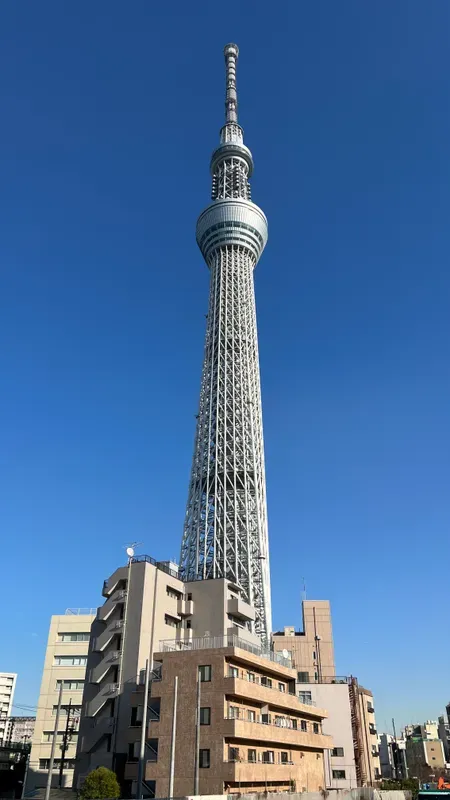
From Nakamise, walk along the Sumida River toward Tokyo Skytree. The tower grows with every block, and the riverside path is one of the most pleasant walks in east Tokyo. The observation deck gives you the full panoramic view of the city. Book tickets online beforehand to skip the queue, and don’t miss the glass floor section on the lower deck. It’s a genuine adrenaline hit looking straight down 350 metres. Grab lunch at Tokyo Solamachi, the shopping complex at the base of the tower, which has over 300 restaurants and shops.

Tokyo Skytree
3

Tokyo Skytree

attraction Oshiage
4.4 Google 4.2 TripAdvisor 60-90 mins 1-1-2 Oshiage, Sumida City, Tokyo
Tip

Book observation deck tickets online. The glass floor section on the lower deck is thrilling.

1 min walk

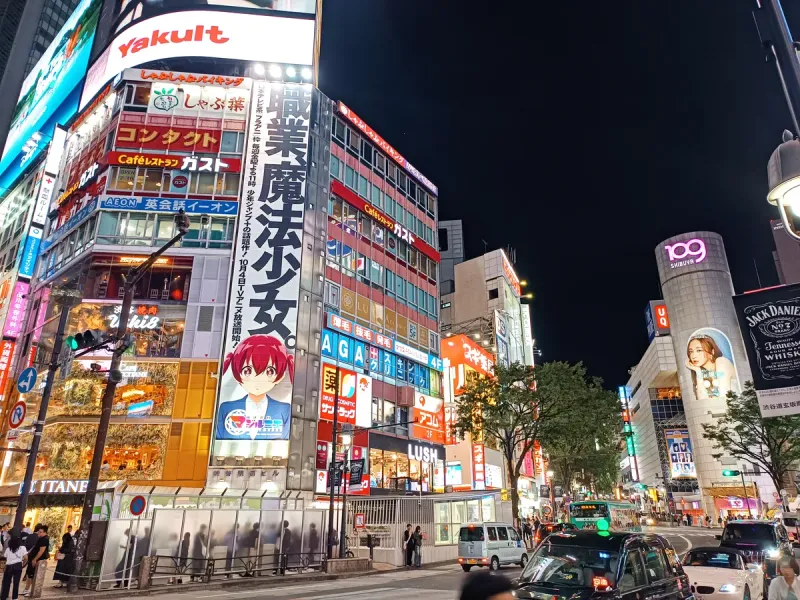
In the mid-afternoon, take the Ginza line from Asakusa to Shibuya (about 30 minutes, no transfers). The shift in atmosphere is immediate. Step out of Shibuya Station and you’re in the thick of it: screens, noise, thousands of people flowing in every direction. Watch the Crossing from the second-floor Starbucks first to take in the choreography of it, then walk through it yourself. Rush hour, between 5 and 7 PM, is when the crossing hits its peak with up to 3,000 people surging across simultaneously.

Shibuya Crossing
4

Shibuya Crossing

attraction Shibuya
4.5 Google Shibuya, Tokyo
Tip

Watch from the Starbucks above, then cross it yourself at street level.

5 mins walk

End your first day at Shibuya Sky, the open-air observation deck 230 metres above the crossing. Book the slot closest to golden hour. The rooftop has a bar, so you can nurse a drink while the city shifts from hazy daylight to a glittering grid of lights below. This is the single best sunset spot in Tokyo, full stop.

5

Shibuya Sky

attraction Shibuya
4.6 Google 4.4 TripAdvisor 60-90 mins Shibuya Scramble Square, Shibuya, Tokyo
Tip

Book the sunset or evening slot for the best views.

Day 1 dinner: Head to BeBu-Ya for all-you-can-eat A4 wagyu yakiniku. Ninety minutes of grilling wagyu at your table for ¥5,000 is one of the best food deals in the city.

BeBu-Ya

BeBu-Ya

restaurant Shibuya $$
4.8 Google Shibuya, Tokyo
Tip

Book ahead, especially weekends. The A4 wagyu course at ¥5,000 is the sweet spot for value.

Day 2: Harajuku and Shinjuku

Today stays on the west side of the city. Harajuku and Shinjuku are neighbours on the Yamanote line, separated by a single stop, so there’s almost no commute. Start with a forest and a shrine, spend the afternoon in a garden, and end the night in Golden Gai with a whisky.

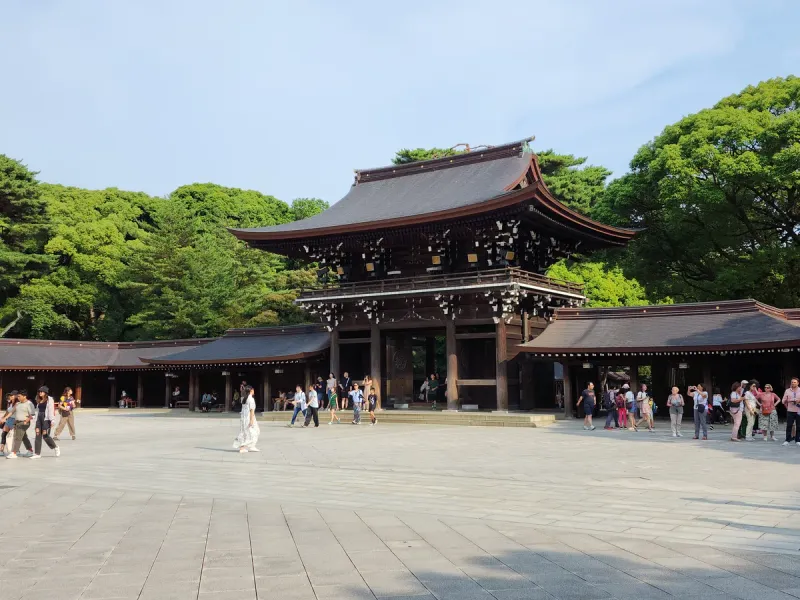
Walk from Harajuku Station into Meiji Jingu, Tokyo’s most important Shinto shrine. The moment you pass through the first torii gate, the city vanishes. A gravel path winds through a dense forest of 100,000 trees (all donated from across Japan when the shrine was built in 1920) for about 15 minutes before the shrine buildings appear. If you visit on a weekend, there’s a good chance you’ll see a traditional Shinto wedding procession in full kimono.

Meiji Jingu
6

Meiji Jingu

attraction Harajuku
4.6 Google 1-1 Yoyogikamizonocho, Shibuya, Tokyo
Tip

Enter through the main torii gate for the full forest walk experience.

21 mins walk

After the shrine, spend the late morning exploring Harajuku proper. Takeshita Street is the chaotic, colourful pedestrian strip you’ve seen in every Tokyo video: crepe stands, capsule toy machines, and streetwear stores stacked three floors high. For something calmer, Cat Street runs parallel and has independent boutiques, coffee shops, and vintage stores. Omotesando, the wide tree-lined boulevard nearby, is where the architectural flagship stores live (the Prada building alone is worth a look).

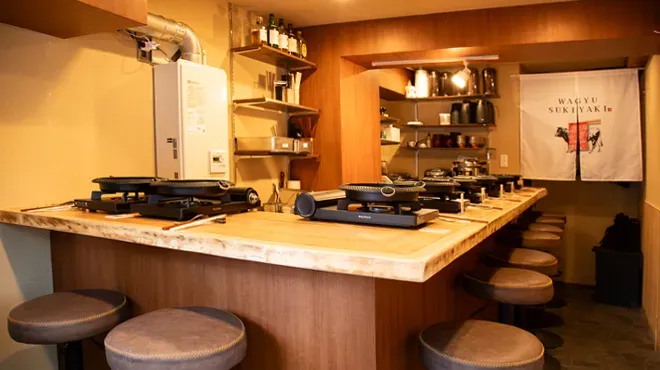
For lunch, grab a table at WAGYU SUKIYAKI GOKU. It’s a small, intimate spot right in Harajuku serving A5 wagyu sukiyaki. The beef melts into the broth and the finishing touch, raw egg and truffle over rice, is one of those things you’ll think about on the plane home.

WAGYU SUKIYAKI GOKU Harajuku

WAGYU SUKIYAKI GOKU Harajuku

restaurant Harajuku
4.9 Google 3-23-2 Jingumae, Shibuya, Tokyo
Tip

Make a reservation if possible. The raw egg and truffle rice finish is not to be missed.

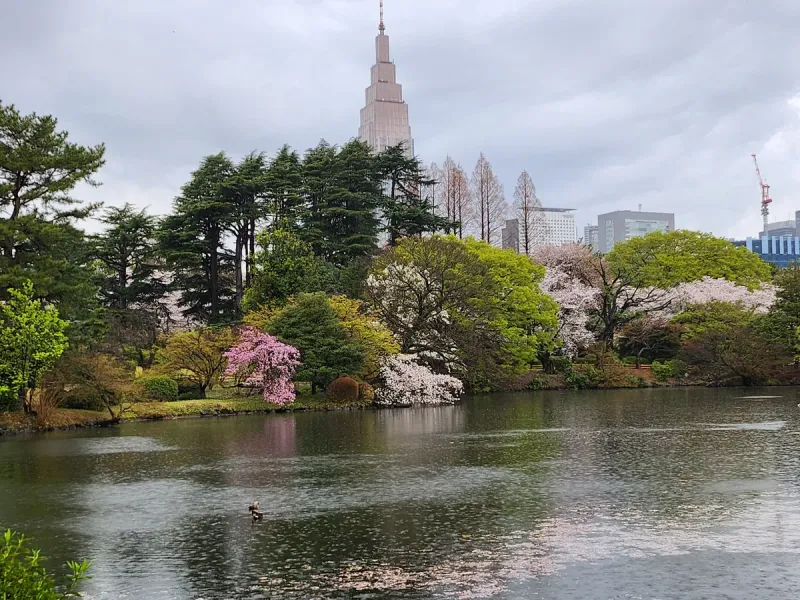
In the afternoon, take the train one stop to Shinjuku and walk to Shinjuku Gyoen. This garden is the antidote to everything you’ve seen so far. Pay the ¥500 entry, leave the noise behind, and wander through three distinct garden styles: a Japanese garden with koi ponds and manicured pines, a symmetrical French formal garden, and a wide English lawn perfect for sitting and doing nothing. If you’re visiting in late March or early April, the cherry blossoms here are the best in Tokyo. Budget at least 90 minutes.

Shinjuku Gyoen National Garden
7

Shinjuku Gyoen National Garden

attraction Shinjuku
4.6 Google 4.6 TripAdvisor 11 Naitomachi, Shinjuku City, Tokyo
Tip

¥500 entry. No alcohol. Three garden styles: Japanese, French, English.

20 mins walk

Day 2 dinner: Walk to Hinotori in Nishi-Shinjuku for yakitori. The chef sources premium Daisen chicken daily and grills it over charcoal. The Sake Master-certified manager pairs each course with a different sake. Reserve ahead.

Hinotori
8

Hinotori

restaurant Shinjuku
4.8 Google 5-10-1 Nishishinjuku, Shinjuku City, Tokyo
Tip

Reserve ahead. The Sake Master-certified manager pairs drinks with each course.

After dinner, walk to Golden Gai. It’s a maze of over 200 tiny bars crammed into narrow alleys near Kabukicho, each seating maybe six or eight people. Some charge a cover of ¥500-1,000; most welcome tourists with a grin and a pour of whisky. Pick one that looks interesting, sit down, and see what happens. This is where some of the best nights in Tokyo begin with no plan at all.

Day 3: Tsukiji, Roppongi and Central Tokyo

Your final day runs through the south-central corridor: street food for breakfast, digital art in the afternoon, and the Imperial Palace grounds to close things out.

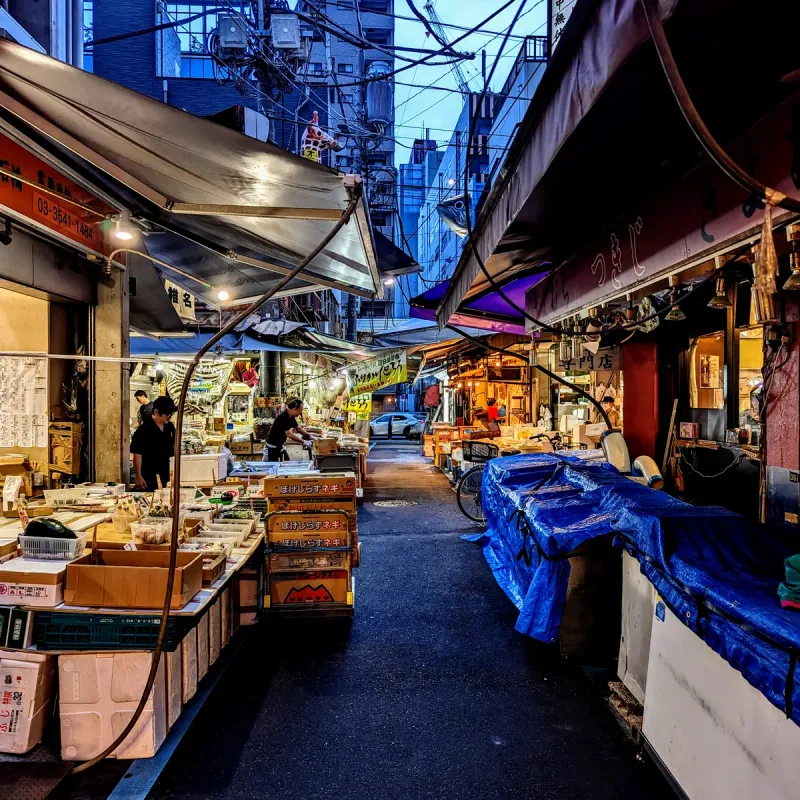
Get to Tsukiji Outer Market early, before 9 AM if you can manage it. The old wholesale market moved to Toyosu years ago, but the outer market stayed put and it’s still the best street food experience in Tokyo. Walk the full circuit first: note the grilled scallops bubbling on their shells, the tamagoyaki sticks (sweet Japanese omelette on a skewer), the uni spilling out of its shell, the tuna on rice. Then loop back and eat everything that caught your eye. Most food is eaten standing, which somehow makes it taste better.

Tsukiji Outer Market
9

Tsukiji Outer Market

attraction Ginza
4.2 Google 4.1 TripAdvisor 4-16 Tsukiji, Chuo City, Tokyo
Tip

Arrive before 9 AM. Grilled scallops and tamagoyaki on a stick are the top picks.

10 mins walk

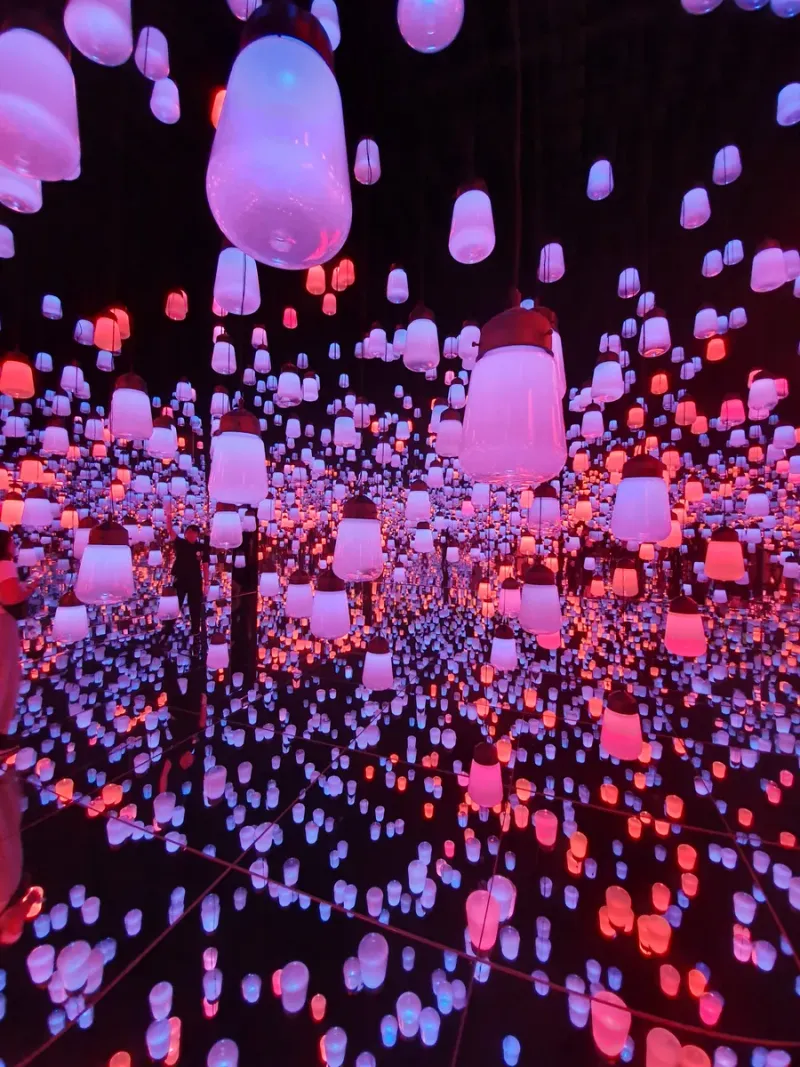
From Tsukiji, take the metro to teamLab Borderless at Azabudai Hills (the museum relocated here from Odaiba in 2023). This is two to three hours of walking through rooms where digital art flows across walls, floors, and ceilings in constantly shifting projections. The installations respond to your movement. Wear light-coloured clothing so the projections show up on you. Book an afternoon slot online in advance; this place sells out.

teamLab Borderless
10

teamLab Borderless

museum Toranomon
4.6 Google 4.5 TripAdvisor Azabudai Hills Garden Plaza, Minato City, Tokyo
Tip

Book early morning slots. Wear light-coloured clothing for the projections.

20 mins walk

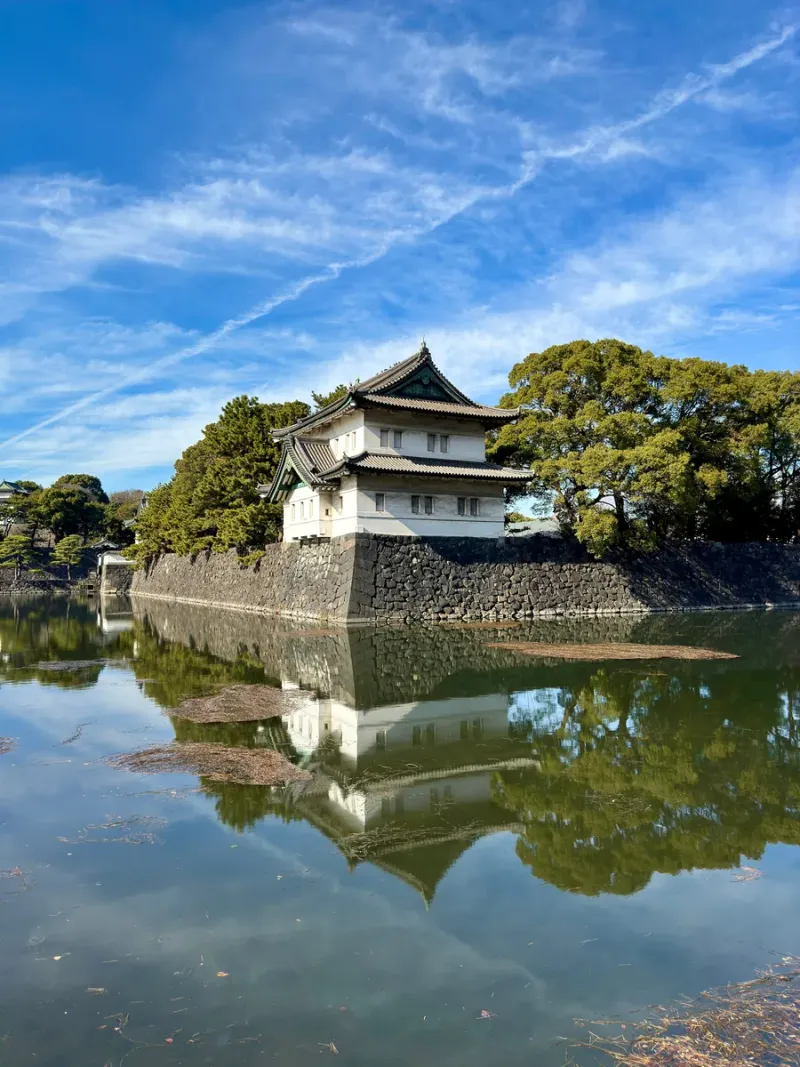
For your final stop, take the metro to the Imperial Palace. The free East Gardens have remnants of Edo Castle, wide lawns, seasonal flowers, and a calm that feels earned after three days of sensory overload. Walk to the Nijubashi Bridge for the classic photo: the bridge reflected in the moat with the palace behind it. Allow 90 minutes to walk the grounds at a pace that actually lets you enjoy them.

Imperial Palace
11

Imperial Palace

attraction Marunouchi
4.4 Google 3.8 TripAdvisor 90-150 mins 1-1 Chiyoda, Chiyoda City, Tokyo
Tip

The East Gardens are free. The Nijubashi Bridge photo is the money shot.

Day 3 dinner: Head to GYOPAO Gyoza in Roppongi for your last meal. The pan-fried gyoza have a shatteringly crispy base, and the spicy mapo gyoza variation is worth ordering alongside. It’s a casual, lively spot that feels like a good way to close out a Tokyo trip.

GYOPAO Gyoza Roppongi

GYOPAO Gyoza Roppongi

restaurant Roppongi
4.8 Google Roppongi, Minato City, Tokyo
Tip

Order the signature pan-fried gyoza and the spicy mapo gyoza for contrast.

Where to Eat During Your 3 Days

Each day’s neighbourhoods have solid dining options:

  • Day 1 (Asakusa/Shibuya): Street food at Nakamise, lunch at Tokyo Solamachi, BeBu-Ya for wagyu yakiniku dinner
  • Day 2 (Harajuku/Shinjuku): WAGYU SUKIYAKI GOKU for lunch, Hinotori for yakitori dinner, Golden Gai for drinks
  • Day 3 (Tsukiji/Roppongi): Street food breakfast at Tsukiji, GYOPAO Gyoza for dinner in Roppongi

For the full breakdown, see our best restaurants in Tokyo guide.

Practical Tips

  • Transport: Get a Suica or Pasmo IC card at any station. Load ¥3,000 to start. It works on all trains, buses, and convenience stores.
  • Cash: Many ramen shops and small restaurants are cash-only. ATMs inside 7-Eleven and Family Mart accept foreign cards with no drama.
  • Tipping: Don’t. It’s not done in Japan and will genuinely confuse the staff.
  • Timing: Tokyo eats early. Restaurants open for dinner at 5:30 or 6 PM. Popular ramen shops sell out by 8 PM. Plan accordingly.
  • Weather: Check the forecast each morning. Observation deck visits and outdoor plans depend on clear skies, and Tokyo gets sudden rain showers, especially in summer.

What You’ll Miss in 3 Days

Three days means some tough cuts. You won’t get to teamLab Planets in Toyosu (the barefoot water installation that’s closing in 2027), the Ghibli Museum in Mitaka, Odaiba’s waterfront, or a day trip to Kamakura or Hakone. If any of those are deal-breakers, check our 5-day Tokyo itinerary which fits them all in.

Planning your trip to Tokyo? Save these places to your itinerary with Tourli, the app that turns travel guides into actionable day plans.

Frequently Asked Questions

Is 3 days enough for Tokyo?
Three days covers the essential neighbourhoods and major sights if you plan by geography. You'll comfortably fit in Asakusa, Shibuya, Harajuku, Shinjuku, Tsukiji, and Roppongi. You'll miss the outer attractions like teamLab Planets, Ghibli Museum, and day trips to Hakone or Kamakura. If you can extend to 5 days, check our 5-day Tokyo itinerary.
Where should I stay in Tokyo for 3 days?
Shibuya or Shinjuku are the best bases for a short trip. Both sit on the JR Yamanote line, which connects every neighbourhood on this itinerary. Shinjuku has more budget hotels and better nightlife. Shibuya is slightly more central for Harajuku and Roppongi.
How much does 3 days in Tokyo cost?
Budget travellers can manage around ¥11,000 per day ($74 USD) including food, transport, and sights. A comfortable mid-range trip runs ¥20,000-30,000 per day ($130-200). Transport is cheap: a 24-hour metro pass costs just ¥600 ($4). Many top sights on this itinerary, including Senso-ji, Meiji Shrine, Shibuya Crossing, and Tsukiji market, are completely free.
What is the best order to visit Tokyo neighbourhoods in 3 days?
Group by geography to reduce train time. Day 1: Asakusa and Shibuya (east then west via the Ginza line). Day 2: Harajuku and Shinjuku (adjacent on the Yamanote line). Day 3: Tsukiji, then Roppongi and central Tokyo (all south-central and connected by the Hibiya line).

More Tokyo Guides

5-Day Tokyo Itinerary (2026)

Itinerary

Five days, five neighbourhoods. This itinerary groups Tokyo by geography so you spend less time on trains and more time eating, exploring, and getting lost in the right way.

25 places 5 days

Things to Do in Asakusa, Tokyo (2026 Neighbourhood Guide)

Guide

Asakusa is Tokyo at its most traditional. While most of the city rebuilt itself into glass and steel after the war, this neighbourhood held onto its wooden shopfronts, its temple rituals, and its open-air drinking culture. Senso-ji has been standing here since the seventh century. Nakamise has been selling rice crackers and souvenirs since the Edo period. And Hoppy Street has been serving cheap beer alternatives to salarymen since the 1940s. It's the part of Tokyo that still feels like old Tokyo, and it's one of the few neighbourhoods where you can spend an entire day without running out of things to see, eat, and do.

13 places

Best Breakfast in Tokyo (2026) - From 6AM Sushi to Kissaten Toast

Vibe

Tokyo is one of the few cities where eating sushi at 6 AM is completely normal. Breakfast here spans everything from a three-piece sashimi set at a Tsukiji fish stall to a ¥500 kissaten morning set with toast so thick it could double as a pillow. This guide covers 11 ways to start your day, from the traditional to the trendy.

11 places

11 Best Brunch Spots in Tokyo (2026)

Vibe

Tokyo takes breakfast seriously, just not in the way you might expect. The city runs on kissaten morning sets, fluffy souffle pancakes that take 20 minutes to cook, and hotel buffets that could double as Michelin-level tasting menus. This guide covers all of it.

11 places

15 Best Cafes in Tokyo (2026)

Guide

Tokyo has over 550 cafes in our database alone, ranging from century-old kissaten to cafes where a capybara sits in your lap. These 15 cover matcha specialists, third-wave roasters, themed experiences, and traditional tea shops.

15 places

12 Best Izakaya in Tokyo (2026)

Guide

Izakaya are where Tokyo actually eats and drinks after work. These 12 spots cover smoky yokocho alleys, refined sake counters, standing bars under railway arches, and a few chains worth knowing about.

12 places

Save these places to your Tokyo trip

Tourli turns travel guides into actionable day plans. Save places, get walking directions, and share your itinerary — all in one app.